


Meat Cold Room Temperatures
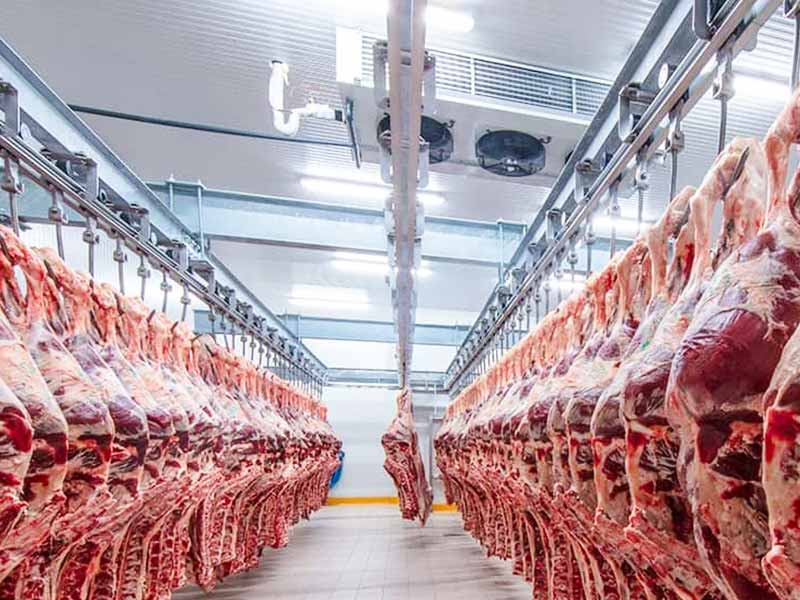
Fresh Storage
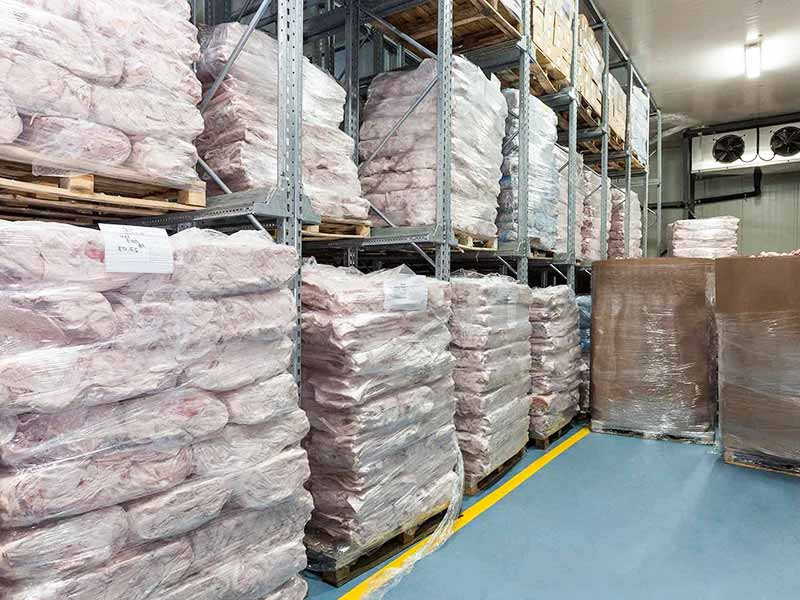
Frozen Storage
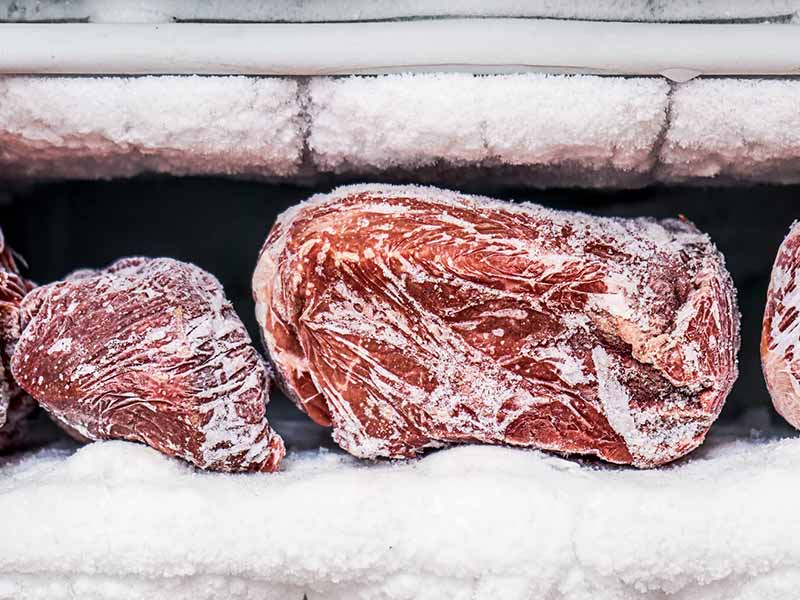
Blast Frozen Storage
>-25°C (-13°F) or lower.
>12-36 months storage duration.
>Helps maintain meat’s cellular structure, texture, and nutritional content.
>Ideal for preserving meat immediately after slaughter or processing.
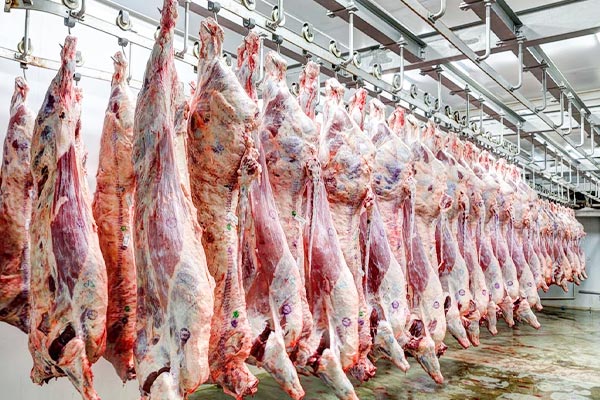
Beef
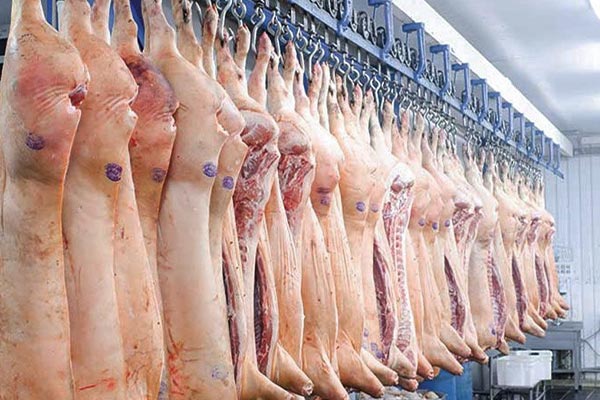
Pork
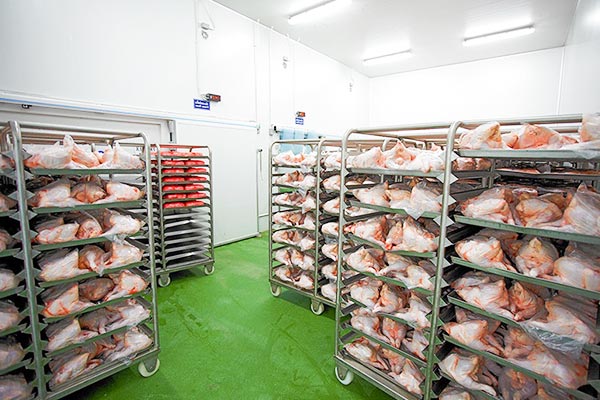
Chicken
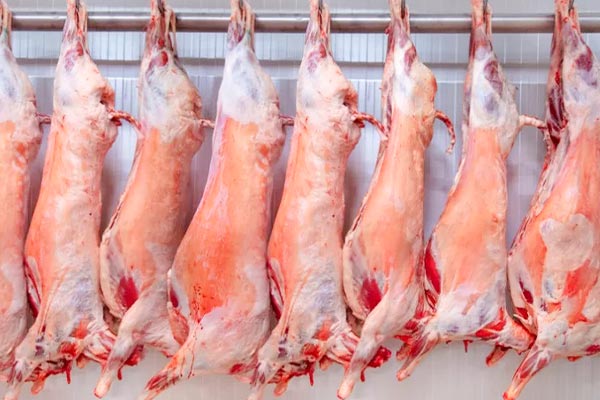
Lamb
Comprehensive FAQ: Pork Cold Storage and Refrigeration
This guide is divided into four main sections: General Safety Principles, Home Refrigeration & Freezing, Commercial & Industrial Storage, and Thawing & Quality Control.
Part 1: General Safety Principles & The Science of Cold
Q1: Why is temperature control critical for pork storage?
Temperature is the single most important factor in preserving pork. The primary goal of cold storage is to inhibit the growth of pathogenic bacteria (such as Salmonella, E. coli, and Listeria) and spoilage bacteria (which cause bad odors and tastes).
Bacteria grow most rapidly in the range of temperatures known as the "Danger Zone," which is between 40°F (4°C) and 140°F (60°C). In this range, bacteria can double in number in as little as 20 minutes. Cold storage keeps the meat below the danger zone (refrigeration) or halts bacterial movement entirely (freezing).
Q2: Does freezing pork kill bacteria and parasites?
This is a common misconception. Generally, no. Freezing renders bacteria dormant (inactive) but does not usually kill them. Once the pork is thawed, the bacteria can become active again and multiply.
However, there is a nuance regarding parasites. Trichinella spiralis (the parasite causing trichinosis) can be treated by freezing, but it requires very specific time and temperature combinations (e.g., -15°C for 20 days for certain cuts of meat) usually monitored in a commercial setting. Home freezers may not reach consistent low temperatures to guarantee parasite destruction. Therefore, you should always handle thawed pork as raw meat and cook it to the proper internal temperature to ensure safety.
Q3: What is the ideal humidity level for storing pork?
While temperature controls safety, humidity controls quality.
-
In a Refrigerator: High humidity is generally preferred for meat drawers to prevent the meat from drying out (oxidizing) quickly.
-
In Commercial Storage: The ideal relative humidity (RH) for fresh pork storage is typically between 85% and 95%. If the humidity is too low, moisture evaporates from the meat surface, leading to weight loss (shrinkage) and a dried-out appearance. If humidity is too high (near 100%), it fosters mold and slime formation on the surface.
Part 2: Home Refrigeration and Freezing Guidelines
Q4: How long can I keep fresh pork in the refrigerator?
The storage life depends on the cut of the meat, as surface area affects bacterial growth. According to USDA guidelines:
-
Fresh Roast, Steaks, Chops, or Ribs: 3 to 5 days.
-
Ground Pork: 1 to 2 days. (Ground meat spoils faster because bacteria were mixed throughout the meat during grinding).
-
Fresh Sausage (uncooked): 1 to 2 days.
-
Bacon: 7 days.
Note: The refrigerator temperature must be set at 40°F (4°C) or below.
Q5: How long can I keep pork in the freezer?
Technically, foods stored constantly at 0°F (-18°C) or below will remain safe indefinitely. However, quality (flavor, texture, and moisture) degrades over time. Here are the quality recommendations:
-
Fresh Roasts: 4 to 12 months.
-
Steaks or Chops: 4 to 6 months.
-
Ground Pork: 3 to 4 months.
-
Bacon: 1 month (The high fat and salt content accelerates rancidity even when frozen).
-
Cooked Pork dishes: 2 to 3 months.
-
Ham (Hotdog/Lunchmeat): 1 to 2 months.
Q6: What is the best way to package pork for the freezer to prevent quality loss?
Proper packaging is the line of defense against freezer burn.
-
Vacuum Sealing: This is the gold standard. Removing air prevents oxidation and ice crystal formation on the surface.
-
Double Wrapping: If you don't have a vacuum sealer, wrap the pork tightly in plastic wrap or freezer paper, pressing out as much air as possible. Then, place that wrapped package inside a heavy-duty freezer bag or wrap it again in aluminum foil.
-
Labeling: Always write the date on the package. You will not remember when you bought those pork chops six months from now.
Q7: Why did my frozen pork turn grey or brown? Is it safe?
Color changes in frozen pork are usually due to oxidation or freezer burn.
-
Oxidation: Lack of oxygen (in vacuum seals) can cause meat to look darker/purple, which is normal. Exposure to air causes it to turn brown.
-
Freezer Burn: This appears as grayish-brown, leathery spots on the meat. It occurs when air reaches the meat's surface and dehydrates it.
-
Safety: Freezer-burned meat is safe to eat, but the texture will be dry and the flavor may be compromised. You can trim off the freezer-burned sections before cooking to improve the eating experience.
Q8: Can I refreeze pork that has already thawed?
The answer depends on how you thawed it.
-
Thawed in the Refrigerator: Yes, it is safe to refreeze without cooking, although there may be some loss of moisture due to cell walls breaking during the second freeze.
-
Thawed in Cold Water or Microwave: No. You must cook the meat immediately. After thorough cooking, you can freeze the cooked dish.
-
Thawed at Room Temperature: No. If raw pork was left out on the counter, it should be cooked or discarded, never refrozen raw.
Part 3: Commercial & Industrial Cold Storage
Q9: What is "Blast Freezing" and why is it used for pork?
Blast freezing is a commercial method where air at very low temperatures (often -30°C to -40°C) is blown at high velocity over the product.
-
The Benefit: Slow freezing creates large, jagged ice crystals that puncture the cell walls of the pork muscle. When thawed, these cells leak moisture (drip loss), resulting in dry meat.
-
Blast Freezing Result: It freezes the meat so quickly that only microscopic ice crystals form. This preserves the cellular structure, meaning the pork retains its natural juices and texture upon thawing.
Q10: What are the requirements for a commercial pork cold storage warehouse?
A dedicated meat cold storage facility involves rigorous standards:
-
Temperature Consistency: The facility must maintain a consistent temperature of -18°C (0°F) or lower for frozen storage. Fluctuations can cause "recrystallization," damaging food texture.
-
Air Circulation: Proper airflow is essential to ensure there are no "hot spots" in the warehouse. Pallets must be stacked with spacing to allow cold air to reach the center of the stack.
-
Hygiene & Sanitation: Floors, walls, and ceilings must be made of non-porous, easy-to-clean materials (like insulated metal panels) to prevent bacterial harborage.
-
Odor Control: Pork fat absorbs odors easily. It cannot be stored in the same room as pungent goods (like fish or certain fruits) even if frozen.
Q11: How does "Drip Loss" affect commercial pork economics?
Drip loss refers to the fluid (mostly water and proteins) that leaks out of meat during thawing or storage.
-
Economic Impact: Pork is sold by weight. If a commercial storage facility manages temperature poorly and causes a 2% drip loss on 10 tons of meat, that is significant financial revenue effectively evaporating.
-
Prevention: Maintaining steady temperatures (avoiding freeze-thaw cycles) and utilizing proper freezing rates (blast freezing) are the primary ways to minimize drip loss.
Q12: What is the recommended storage life for whole pork carcasses vs. boxed cuts?
-
Carcasses: Whole carcasses are rarely frozen for long periods due to their bulk and susceptibility to oxidation (fat is exposed). They are typically chilled at 0°C to 2°C for processing within days.
-
Boxed Cuts (Vacuum Packed): Sub-primal cuts (like loins or shoulders) that are vacuum-packed and chilled (not frozen) can have a shelf life of 21 to 35 days if kept strictly between -1°C and 1°C. This is common for export logistics (e.g., shipping chilled pork from the US to Asia).
Part 4: Thawing, Handling, and Spoilage
Q13: What are the safe methods for thawing pork?
There are only three safe ways to thaw pork:
-
In the Refrigerator (Recommended): This takes the longest (24 hours for every 5 lbs) but is the safest. The meat never enters the Danger Zone.
-
In Cold Water: Seal the pork in a leak-proof bag and submerge it in cold tap water. Change the water every 30 minutes. Estimate 30 minutes per pound. Cook immediately after thawing.
-
In the Microwave: Use the defrost setting. You must cook the pork immediately after microwave thawing because the process creates hot spots where bacteria can begin to grow, and parts of the meat may essentially begin cooking during the thaw.
Never thaw pork on the kitchen counter. The outside of the meat will reach bacteria-breeding temperatures while the inside is still frozen.
Q14: How can I tell if refrigerated pork has spoiled?
Do not rely on the date alone. Use your senses:
-
Smell: This is the best indicator. Spoiled pork will have a distinct ammonia, sulfur, or sour smell. Fresh pork should smell neutral or slightly metallic.
-
Touch: Fresh pork is moist but firm. Spoiled pork feels slimy or tacky to the touch. This slime is a colony of bacteria.
-
Sight: While color changes can be normal, look for green, yellow, or greyish-green tints, which indicate advanced spoilage.
Q15: What is the difference between "Sell-By," "Use-By," and "Best-By" dates for pork?
-
Sell-By: This date is for the retailer. It tells the store how long to display the product. You typically have 3-5 days after this date to consume the pork if it has been refrigerated properly.
-
Use-By: This is a safety recommendation from the manufacturer. It is strongly advised to consume or freeze the meat by this date.
-
Best-By: This refers to quality/flavor, not safety.
Q16: How should I store cooked leftover pork?
Cooked pork must be refrigerated within 2 hours of cooking. If the ambient temperature is above 90°F (32°C), refrigerate within 1 hour.
-
Cooling: Do not put a massive pot of hot roast pork directly into the fridge; it will raise the fridge's internal temperature and endanger other foods. Divide the pork into smaller, shallow containers to allow it to cool quickly.
Date de publication : Sep-25-2020
