Low Temp Chiller for Vacuum Coating
Description of Low Temp Chiller for Vacuum Coating
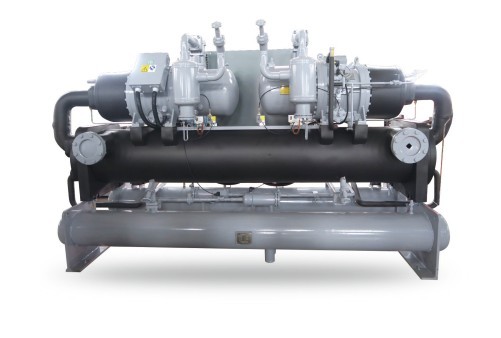
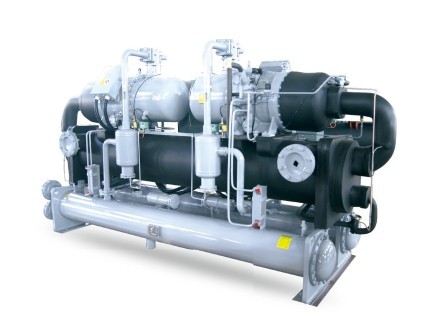
Our medium–low temperature chillers are engineered specifically to meet the demanding requirements of the vacuum coating industry. Designed to provide stable cooling in temperature ranges typically from -20°C to +20°C (customizable upon request), these systems ensure precise control of chamber walls, vacuum pumps, diffusion pumps, sputtering targets, power supplies, and auxiliary equipment.
Product Characteristics of Low Temp Chiller for Vacuum Coating
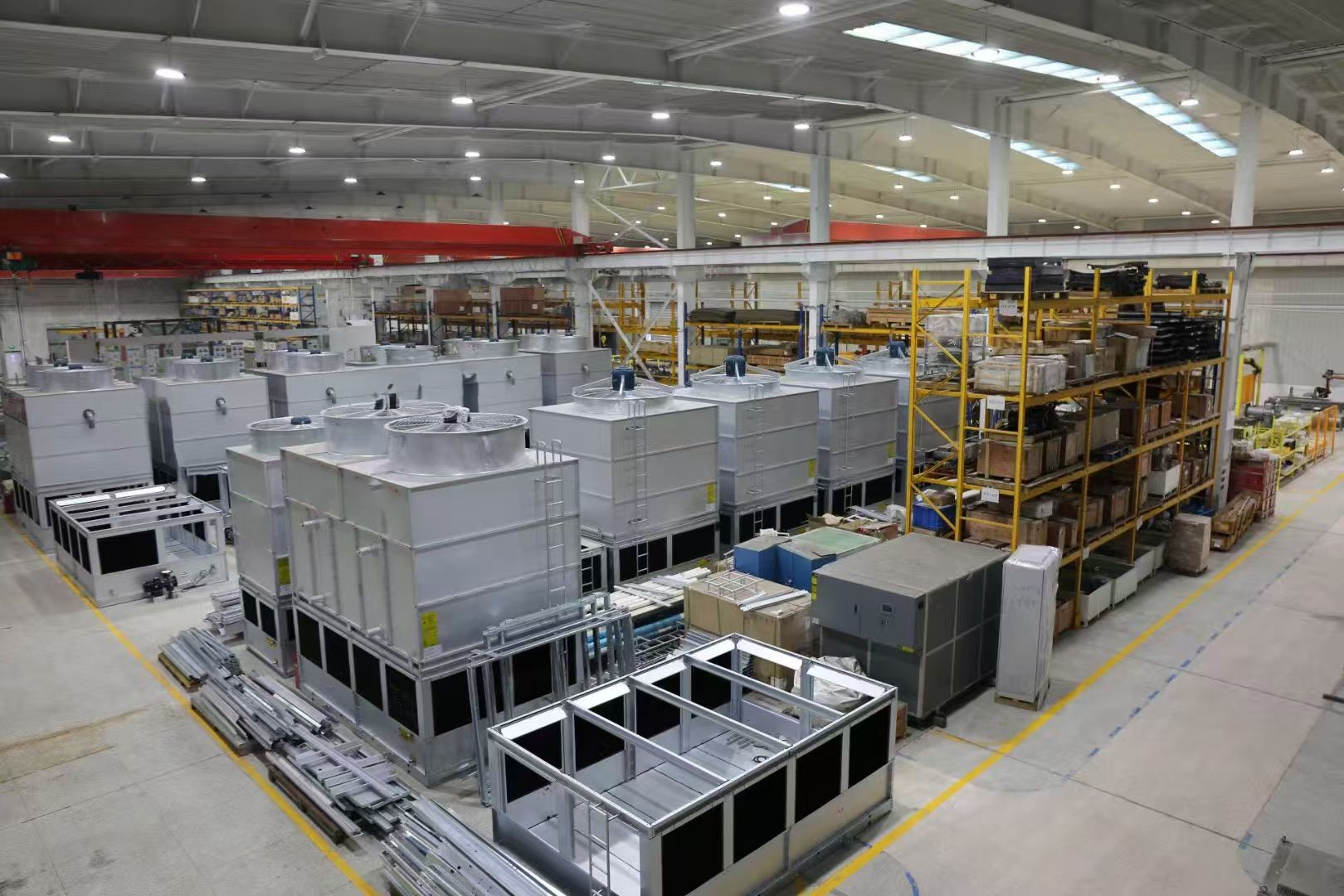
Precision Temperature Control for Superior Coating Quality
In vacuum coating applications, even minor temperature fluctuations can affect film thickness uniformity, stress distribution, and deposition rates. Our chillers are equipped with advanced microprocessor control systems and high-precision temperature sensors to maintain temperature stability within ±0.1°C to ±0.5°C. This exceptional accuracy ensures optimal operating conditions for sputtering targets and vacuum chambers, supporting consistent thin-film deposition and improved coating performance.
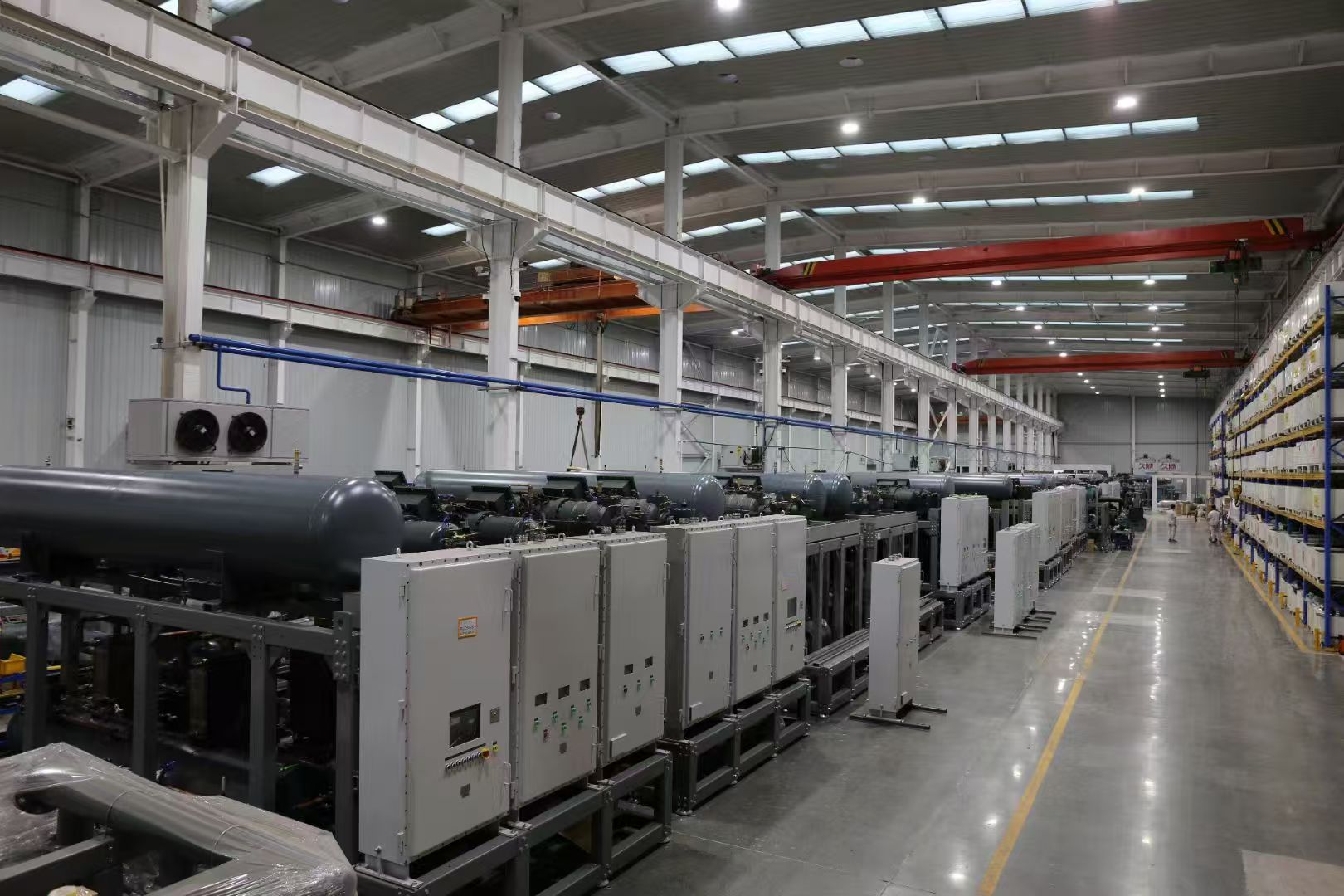
High Efficiency and Energy Savings
Energy efficiency is a key consideration in modern manufacturing. Our medium–low temperature chillers incorporate high-efficiency compressors, optimized heat exchangers, and intelligent load-matching technology to reduce energy consumption without compromising performance. Variable frequency drive (VFD) options further enhance energy savings by adjusting compressor and pump speeds based on real-time cooling demand.This not only lowers operating costs but also supports sustainable production practices—an increasingly important factor for global manufacturers seeking to reduce their carbon footprint.
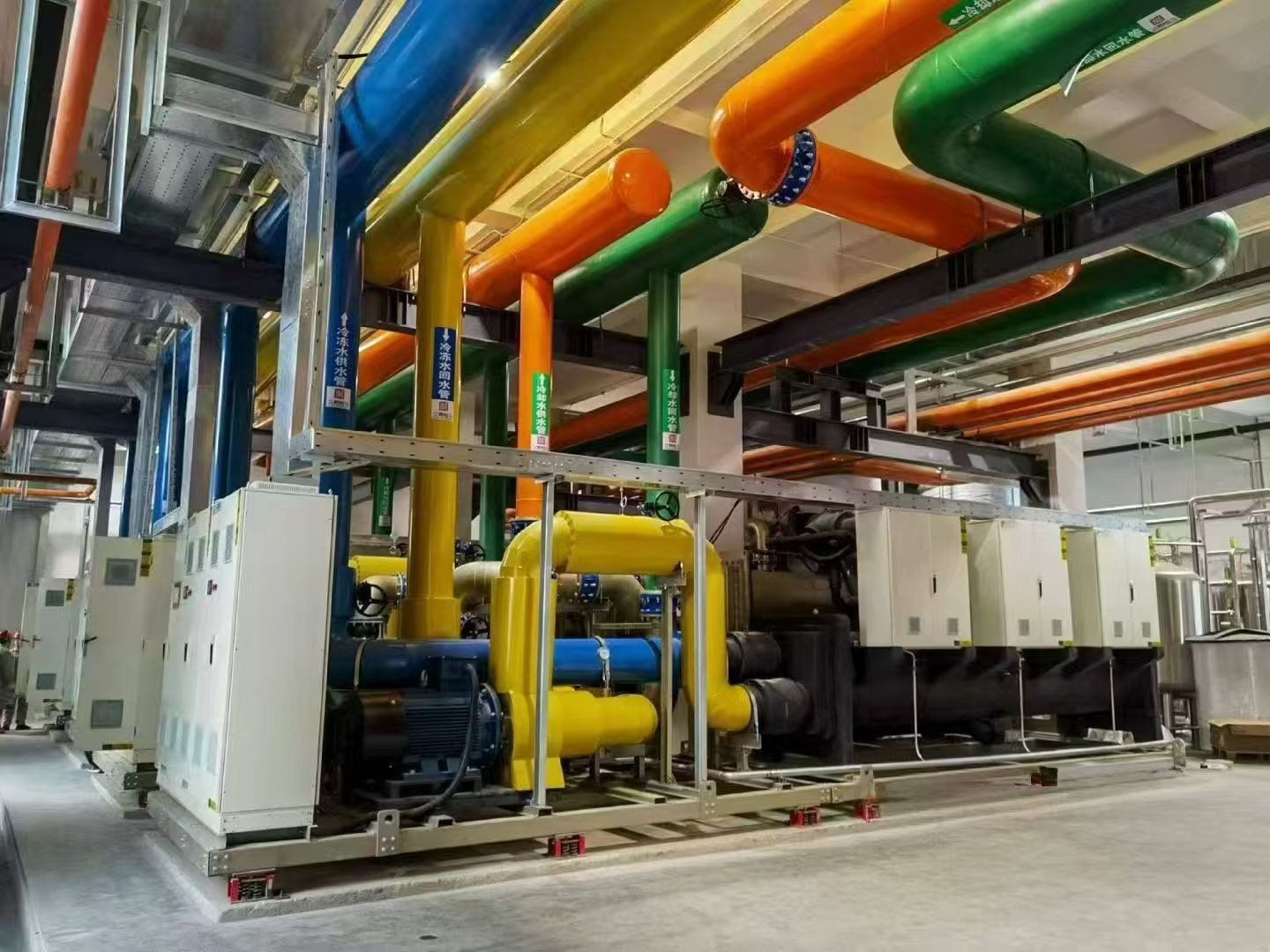
Reliable Operation in Demanding Industrial Environments
Vacuum coating production often runs continuously, requiring cooling systems that can operate reliably 24/7. Our chillers are built with premium components from internationally recognized brands, ensuring long-term durability and stable performance under heavy industrial use. Features such as multi-level safety protection, including high/low pressure protection, overload protection, anti-freeze protection, and phase sequence monitoring, provide comprehensive system safety.The modular design allows for easy installation, maintenance, and future capacity expansion. For larger coating lines or multi-chamber systems, multiple chillers can be integrated into centralized cooling systems, ensuring scalability as production grows.
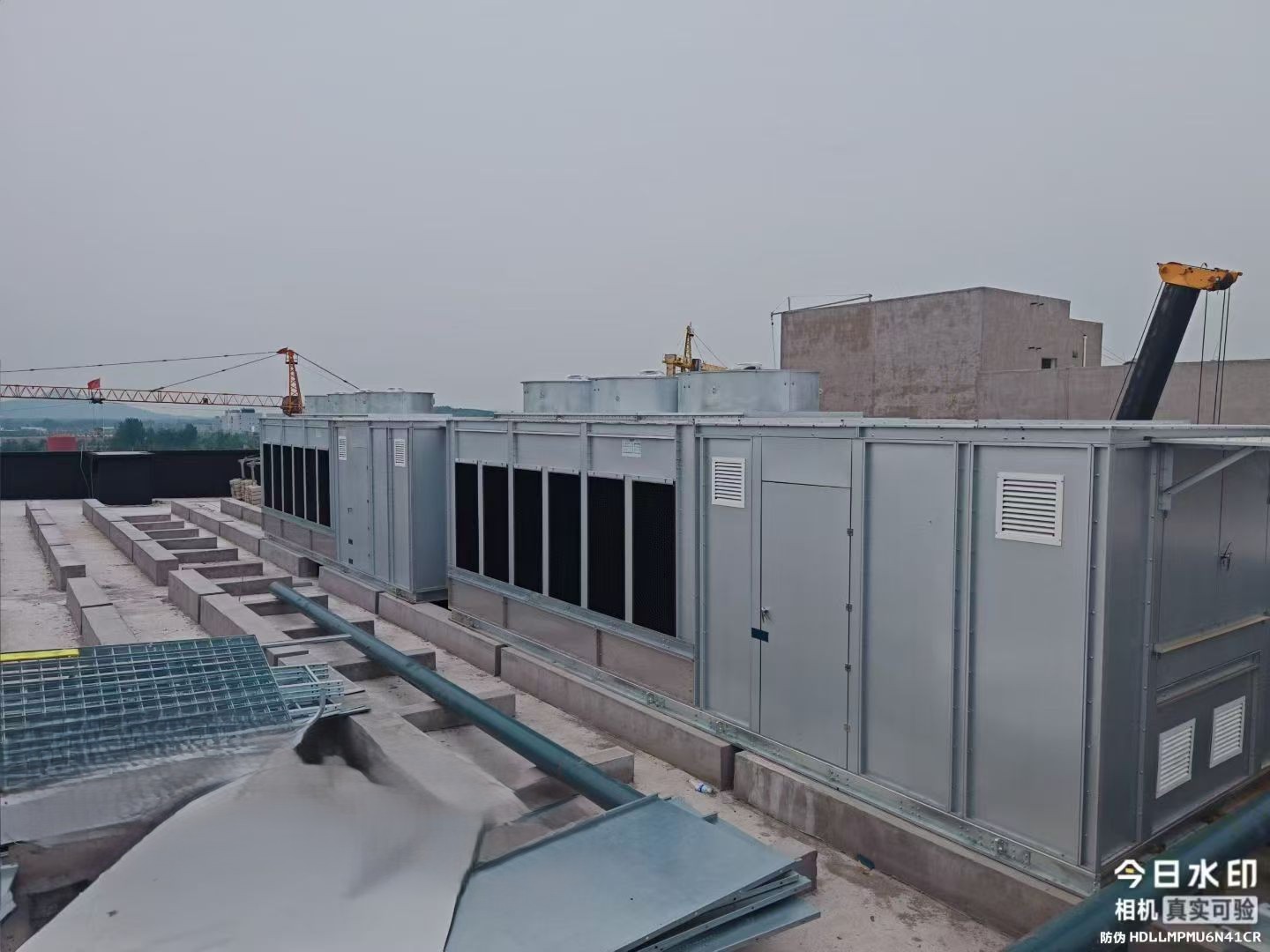
Optimized for Vacuum Pump and Diffusion Pump Cooling
Efficient vacuum pump operation is essential in achieving high vacuum levels required for advanced coating processes. Our chillers provide stable cooling for mechanical pumps, roots pumps, and diffusion pumps, effectively removing heat generated during operation. This prevents oil degradation, improves vacuum stability, and enhances overall system efficiency.For diffusion pump applications, maintaining consistent cooling water temperature is crucial to ensure proper condensation of vaporized oil. Our chillers deliver the steady low-temperature cooling needed to maintain optimal vacuum performance and prevent contamination.
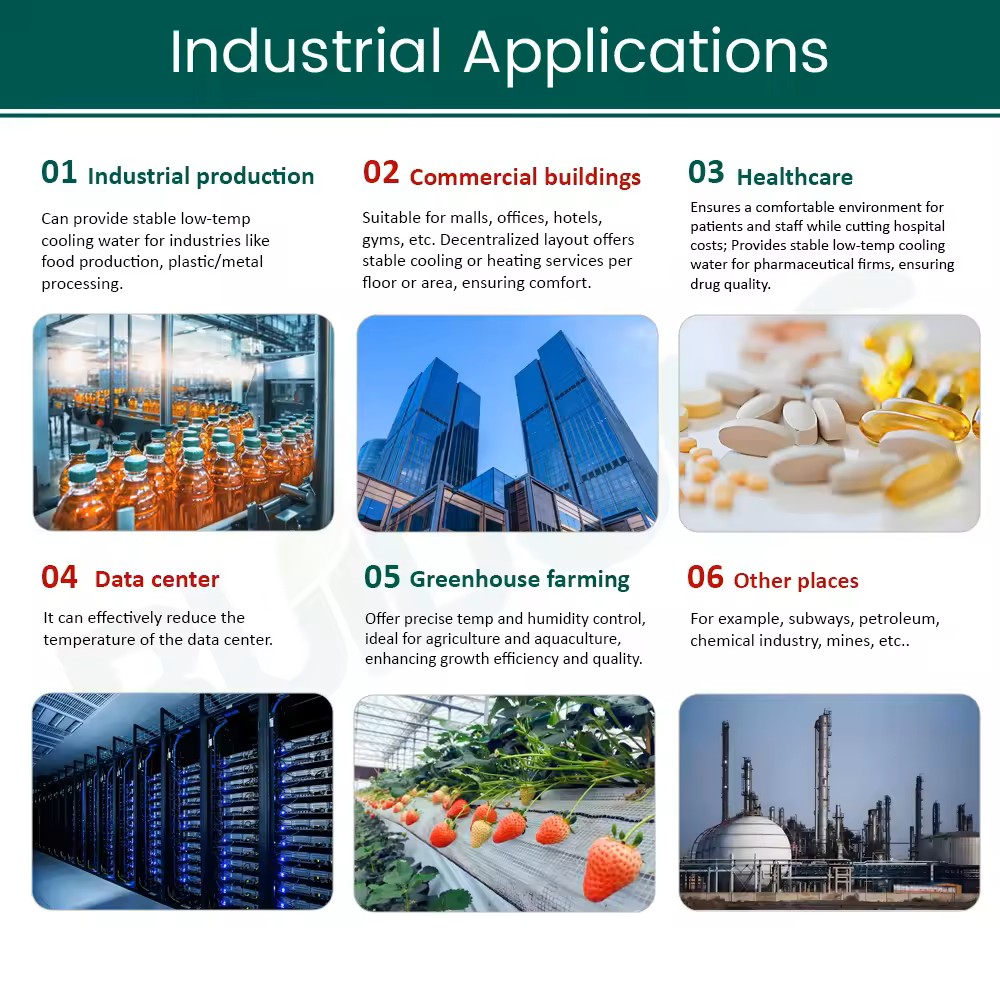
With years of experience serving industrial manufacturing sectors, we understand the critical role that temperature control plays in vacuum coating operations. Our medium–low temperature chillers combine precision engineering, robust construction, and advanced control technology to deliver unmatched performance and reliability.
Whether you are upgrading an existing production line or designing a new vacuum coating system, our solutions provide the stability, efficiency, and durability required to stay competitive in today’s demanding market.
Choose our medium–low temperature chillers for vacuum coating applications—and experience the difference that precise, reliable cooling can make in your production process. Let us help you achieve superior coating quality, lower operational costs, and long-term manufacturing excellence.
| Chiller Unit Model | CWZ110 | Condenser configuration | Horizontal type shell and tube type |
|
Refrigeration capacity(kw) |
106.8 | Condenser water flow rate(t/h) | 22 |
| Refrigeration capacity(kcal/h*104) | 9.2 | Condenser water pressure drop(kpa) | 40-70 |
| Refrigeration capacity(USRT) | 30.5 | Refrigerant | R22 |
| Power supply | 3N/380V/50HZ | Refrigerant charge(kg) | 25.4 |
| Rated current(A) | 68.2 | Condenser connection pipe specifications | 2-DN65 |
| IPLV value(W/W) | 2.4 | Evaporator connection pipe specifications | 2-DN65 |
| Distribution power | 40.5 | Evaporator connection pipe specifications | 1/2 |
| Compressor type | Semi-hermetic twin-screw compressor | Length(mm) | 2930 |
| Compressor Starting Method | 25% load+start triangle pressure drop startup | Width(mm) | 830 |
| Evaporator configuration | Dry-type shell and tube | Height(mm) | 1330 |
| Evaporator water flow rate(t/h) | 20.2 | Net weight(kg) | 1050 |
| Evaporator water pressure drop(kpa) | 50-80 |
Operating weight(kg) |
1180 |
Comprehensive FAQ: Medium and Low-Temperature Screw Chillers
I. General Overview & Definitions
1. What exactly is a Medium-to-Low Temperature Screw Chiller?
A Medium-to-Low Temperature Screw Chiller is an industrial refrigeration system designed to provide cooling fluid at temperatures significantly below the standard air conditioning range (which is typically 7°C to 12°C).
The core component is the screw compressor (usually a twin-screw design), which compresses refrigerant gas using two meshing helical rotors. "Medium-to-Low" generally refers to outlet fluid temperatures ranging from -5°C down to -40°C (or even lower depending on the design). Unlike standard chillers that use water as the cooling medium, these units invariably use secondary coolants (brines) like ethylene glycol, propylene glycol, or calcium chloride solutions to prevent freezing within the evaporator.
2. What are the specific temperature ranges for "Medium" vs. "Low" temperature classifications?
While definitions can vary slightly by manufacturer, the industry generally categorizes them as follows:
-
Medium Temperature: Fluid outlet temperatures between 0°C and -20°C. These are often used for food processing (like dairy cooling), beverage processing, and cold storage.
-
Low Temperature: Fluid outlet temperatures between -20°C and -45°C. These are critical for deep freezing applications, chemical reaction control, pharmaceutical freeze-drying, and ice rinks.
-
Ultra-Low Temperature: Anything below -50°C, which typically requires cascade systems, though some specialized screw compressors can handle single-stage compression down to this level with specific refrigerants.
3. Why choose a screw compressor over a piston (reciprocating) or scroll compressor for these temperatures?
Screw compressors offer several distinct advantages for medium-to-low temperature applications compared to piston or scroll types:
-
Reliability: They have fewer moving parts (no valves, rings, or crankshafts to break), making them more durable for continuous, heavy-duty industrial operation.
-
Capacity: They are available in much larger capacities, making them suitable for large industrial loads without needing to manifold dozens of smaller compressors.
-
Efficiency at High Pressure Ratios: Low-temperature refrigeration requires a high pressure differential (ratio) between the suction and discharge sides. Screw compressors handle these high compression ratios more efficiently than reciprocating compressors.
-
Smooth Operation: They provide continuous flow with less vibration and noise.
4. What are the typical applications for these chiller units?
These chillers are the workhorses of the industrial refrigeration world. Common applications include:
-
Food & Beverage: Flash freezing tunnels, brewery fermentation control, dairy cooling, and meat processing facilities.
-
Chemical & Pharmaceutical: Cooling exothermic chemical reactions (reactors), solvent recovery, and lyophilization (freeze-drying).
-
Cold Chain Logistics: Providing cooling for large-scale cold storage warehouses.
-
Recreational: Creating and maintaining ice for ice rinks and indoor ski slopes.
-
Plastic & Rubber: Cooling molds where low temperatures are required to speed up cycle times.
II. Technical Specifications & Refrigerants
5. What types of refrigerants are commonly used in these units?
Because these units operate at low temperatures, the refrigerant must have a boiling point suitable for the application and favorable thermodynamic properties. Common refrigerants include:
-
HFCs: R404A and R507A have been the industry standard for low-temp applications for years, though they are being phased out in some regions due to high GWP (Global Warming Potential).
-
HFO Blends: Newer, eco-friendly alternatives like R448A and R449A are replacing HFCs.
-
Natural Refrigerants: Ammonia (R717) is extremely efficient and common in large industrial screw chillers, though it requires safety protocols due to toxicity. CO2 (R744) is also gaining popularity, particularly in cascade systems.
6. Why is an "Economizer" standard in medium-low temp screw chillers?
An economizer is a critical component for boosting efficiency (COP) in screw chillers.
In low-temperature applications, the compression cycle can become inefficient. An economizer system uses a sub-cooler or a flash tank to sub-cool the liquid refrigerant before it enters the evaporator. The gas generated during this sub-cooling process is fed back into an intermediate port on the screw compressor.
The result: This increases the cooling capacity by 15% to 30% and improves overall efficiency without increasing the size of the compressor, which is vital for making low-temp operations economically viable.
7. Since water freezes at 0°C, what secondary coolants (brines) are used?
You cannot use pure water in these units. The mixture depends on the target temperature:
-
Ethylene Glycol: The most common industrial coolant. It has excellent heat transfer properties but is toxic to humans (cannot be used where food contact is possible).
-
Propylene Glycol: Less efficient than Ethylene but is non-toxic and "food grade," making it mandatory for food and beverage applications.
-
Calcium Chloride Brine: Used for very low temperatures (down to -45°C). It is highly efficient and cheap but can be highly corrosive if not managed with proper inhibitors and metallurgy (e.g., Titanium or CuNi heat exchangers).
8. How is oil return managed in low-temperature operations?
Oil management is critical. In screw compressors, oil is injected for sealing, lubrication, and cooling. However, at low temperatures, oil becomes more viscous (thicker) and can get trapped in the evaporator, reducing heat transfer.
To solve this, these units use:
-
High-Efficiency Oil Separators: Installed on the discharge line to strip oil from the refrigerant gas before it heads to the condenser.
-
Oil Coolers: The oil absorbs heat from the compressor and must be cooled (via water or refrigerant) before being re-injected.
-
Oil Recovery Systems: Automatic systems that scavenge oil from low points in the system and return it to the compressor.
9. What is the difference between Flooded and Dry Expansion (DX) evaporators in this context?
-
Dry Expansion (DX): Refrigerant evaporates inside the tubes. It is simpler, requires less refrigerant charge, and is cheaper. However, it is less efficient at very low temperature differences.
-
Flooded Type: The tubes are submerged in liquid refrigerant. This offers a higher heat transfer coefficient, meaning the chiller can operate with a smaller temperature approach (closer to the fluid temp). Flooded evaporators are generally preferred for larger, high-efficiency low-temperature screw chillers, despite the higher cost and larger refrigerant charge.
III. Efficiency & Control
10. How is the capacity of the chiller controlled?
Screw chillers offer excellent capacity modulation. They typically use a Slide Valve mechanism.
The slide valve physically moves along the rotors to change the compression volume. This allows the chiller to modulate its capacity steplessly from 100% down to 25% or 10%. This ensures the chiller only produces the cooling needed by the load, preventing the "short-cycling" (frequent turning on and off) that damages motors and wastes energy.
11. Can Variable Frequency Drives (VFDs) be used with these units?
Yes, and they are highly recommended. A VFD controls the speed of the compressor motor.
While the slide valve adjusts the compression geometry, the VFD adjusts the speed. Combining a VFD with a slide valve allows for the most precise temperature control and the highest part-load efficiency. It reduces the in-rush current during startup and significantly lowers energy consumption during periods of low demand (e.g., winter or nights).
12. How does the Condensing Temperature affect the system?
The "Lift" of the compressor is the difference between the evaporating pressure (low side) and condensing pressure (high side).
In low-temp applications, the evaporating pressure is very low. If the condensing pressure is high (e.g., a hot summer day), the compressor has to work much harder, reducing efficiency.
Therefore, maintaining a lower condensing temperature is vital. Water-cooled condensers are often preferred over air-cooled ones in very hot climates for low-temp chillers to keep the head pressure down and efficiency up.
13. Is heat recovery possible with medium-low temp chillers?
Yes. Screw chillers generate a significant amount of heat during the compression process and in the oil cooling loop.
A Desuperheater or a total heat recovery unit can be installed to capture this waste heat. This recovered energy can be used to generate hot water (up to 55°C or 60°C) for boiler pre-heating, facility heating, or cleaning processes (CIP). Utilizing waste heat drastically improves the overall thermal efficiency of the facility.
IV. Installation, Maintenance & Safety
14. What are the specific installation requirements regarding ventilation?
Ventilation is a safety-critical requirement, especially if the unit uses Ammonia or certain HFCs.
-
Machine Room: The chiller should be in a dedicated machine room.
-
Leak Detection: Sensors must be installed to detect refrigerant leaks.
-
Ventilation Rate: The room must have exhaust fans capable of clearing the air rapidly if a leak is detected, linked automatically to the gas sensors.
-
Space: Sufficient clearance is needed around the shell-and-tube heat exchangers to allow for tube cleaning (rodding) or tube bundle removal.
15. How do you handle frost buildup on the insulation?
Because the fluid pipes are often at -20°C or lower, any moisture in the air will immediately freeze on the pipes.
Insulation is paramount. You generally need:
-
Multiple layers of closed-cell foam or cellular glass insulation.
-
A perfectly sealed vapor barrier on the outside. If the vapor barrier is punctured, moisture will ingress, freeze, expand, and rip the insulation apart from the inside. Proper insulation thickness calculations based on ambient humidity are required to prevent condensation and icing.
16. What safety protection devices are standard on these units?
To protect the expensive screw compressor, these units come equipped with:
-
High/Low Pressure Switches: To prevent operation outside design envelopes.
-
Oil Level & Pressure Protection: To prevent bearing failure.
-
Motor Overload/Overheat: Thermistors embedded in the motor windings.
-
Anti-Freeze Protection: Flow switches and low-temp cutouts to prevent the brine from freezing solid inside the evaporator, which would catastrophically burst the vessel.
-
Phase Protection: To prevent the motor from running in reverse (which destroys screw rotors instantly).
17. What is the typical maintenance schedule?
-
Daily: Check suction/discharge pressures, oil levels, and listen for abnormal noise.
-
Monthly: Check electrical connections, check refrigerant for moisture (sight glass), and inspect insulation.
-
Yearly:
-
Oil Analysis: This is crucial. Check acidity and metal content. Change oil and oil filters.
-
Condenser Cleaning: Scale or dust buildup kills efficiency.
-
Sensor Calibration: Ensure pressure transducers and temp sensors are accurate.
-
18. What are the common causes of "Low Oil Pressure" alarms?
This is a frequent issue in low-temp units. Causes include:
-
Clogged Oil Filter: Needs replacement.
-
Foaming: Excessive refrigerant dissolved in the oil (due to improper crankcase heating) causes the oil pump to suck foam instead of liquid.
-
Oil Hang-up: Oil is trapped in the evaporator because the velocity of the refrigerant gas is too low to carry it back, or the oil return system has failed.
19. How does ambient temperature affect Air-Cooled vs. Water-Cooled selection?
-
Water-Cooled: Generally more efficient for low-temp applications because the condensing temperature is more stable and lower. Requires a cooling tower.
-
Air-Cooled: Simpler to install (no water loop). However, in extremely hot climates (above 40°C), the condensing pressure may get too high for the compressor to handle the large pressure differential required for low-temp cooling. Air-cooled units are often oversized in these environments to compensate.
20. What factors determine the lifespan of a Screw Chiller?
A well-maintained screw chiller is designed to last 15 to 20 years.
Factors reducing lifespan include:
-
Short Cycling: Excessive starts/stops wear out the motor contactors and mechanical stress points.
-
Poor Water Quality: corrodes the condenser tubes (in water-cooled units).
-
Oil Contamination: Acidic oil eats away at the motor windings (in semi-hermetic units) and bearings.
-
Operating Limits: Consistently running the machine at the very edge of its maximum compression ratio will shorten bearing life.