

-
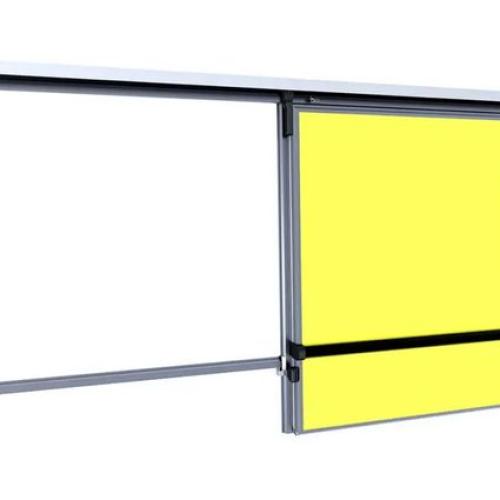
Hinged Sliding Door For Cold Room
-

Cold Room Sliding Door
-
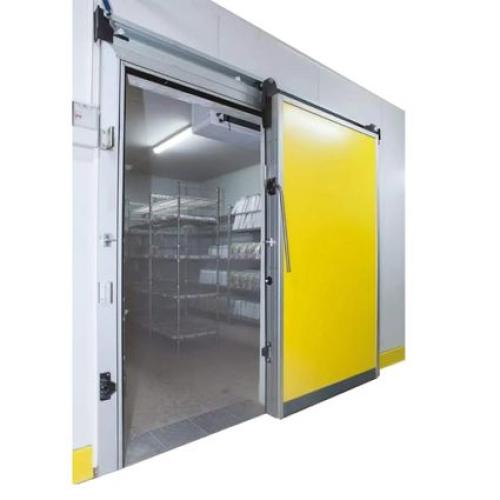
Sliding Cooler Door
-
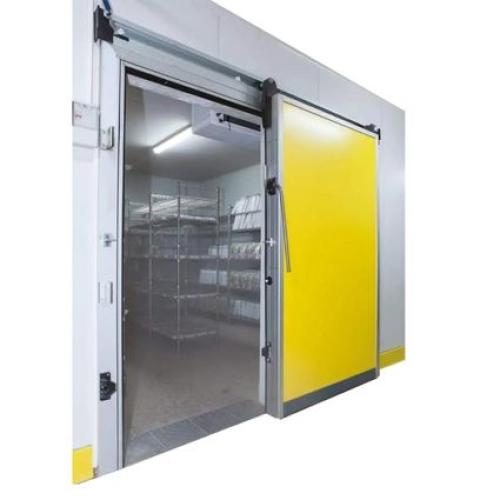
Cold Chilling Storage Sliding Door
Introduction to Cold Room Sliding Doors
Cold room sliding doors are specialized access solutions designed for temperature-controlled environments such as cold storage rooms, freezer rooms, and refrigerated warehouses. These doors play a critical role in maintaining internal temperature stability, minimizing energy loss, and ensuring efficient workflow in high-traffic industrial and commercial settings.
Unlike traditional hinged doors, sliding doors operate horizontally along tracks, making them ideal for areas where space is limited or where large openings are required. Their robust construction, advanced insulation, and airtight sealing make them essential components in modern cold storage systems.
With the rapid growth of cold chain logistics and strict energy efficiency standards, high-performance cold room sliding doors have become increasingly important for businesses aiming to optimize operational efficiency and reduce energy costs.
What is a Cold Room Sliding Door?
A cold room sliding door is an insulated door designed to slide horizontally along a rail system, providing easy access to cold storage environments while minimizing temperature fluctuations.
Key Characteristics:
-
Space-saving sliding design
-
High thermal insulation
-
Airtight sealing system
-
Smooth and durable operation
-
Suitable for large openings
Types of Cold Room Sliding Doors
1. Manual Sliding Doors
Operated manually, suitable for small to medium-sized cold rooms.
Features:
-
Cost-effective
-
Easy installation
-
Low maintenance
2. Electric Sliding Doors
Motorized doors designed for automated operation.
Features:
-
Convenient and efficient
-
Ideal for high-traffic areas
-
Remote control or sensor operation
3. Freezer Sliding Doors
Specially designed for low-temperature environments.
Features:
-
Anti-frost heating system
-
Enhanced sealing
-
Suitable for temperatures below -18°C
4. Double Sliding Doors
Two-panel doors for larger openings.
Features:
-
Wide access
-
Improved workflow efficiency
Structure and Materials
Door Panel
-
High-density polyurethane (PU) or PIR insulation
-
Excellent thermal insulation properties
Surface Materials
-
Stainless steel (for hygiene and durability)
-
Color-coated steel (cost-effective and corrosion-resistant)
-
Aluminum (lightweight option)
Track and Roller System
-
Heavy-duty rails
-
Smooth sliding rollers
-
Anti-derailment design
Sealing System
-
Rubber gaskets
-
Magnetic sealing strips
-
Multi-layer airtight sealing
Working Principle
Cold room sliding doors function by:
-
Sliding horizontally along a track system
-
Creating an airtight seal when closed
-
Minimizing air exchange between internal and external environments
This design ensures efficient temperature retention and reduces energy loss.
Key Features and Advantages
1. Space-Saving Design
Sliding doors do not require swing space, making them ideal for confined areas.
2. Superior Thermal Insulation
High-performance insulation reduces heat transfer and improves energy efficiency.
3. Airtight Sealing
Advanced sealing systems prevent cold air leakage.
4. Smooth and Durable Operation
High-quality track and roller systems ensure long-lasting performance.
5. Energy Efficiency
Minimizes refrigeration load and reduces operational costs.
6. Customizable Design
Available in various sizes, materials, and configurations.
7. Suitable for High-Traffic Areas
Ideal for warehouses and logistics centers with frequent door usage.
Applications
Cold Storage Warehouses
-
Large-scale storage facilities
-
Distribution centers
Food Processing Industry
-
Meat and seafood processing
-
Dairy and beverage storage
Pharmaceutical Industry
-
Medicine storage
-
Vaccine cold rooms
Logistics and Cold Chain
-
Transportation hubs
-
Export facilities
Retail and Supermarkets
-
Backroom cold storage
-
Inventory management
Technical Specifications
Typical specifications include:
-
Door thickness: 75 mm – 150 mm
-
Temperature range: 0°C to -40°C
-
Opening type: single or double sliding
-
Insulation material: PU/PIR
-
Surface material: stainless steel or coated steel
-
Size: customizable
Insulation Technology
Polyurethane (PU)
-
Excellent insulation performance
-
Lightweight and durable
PIR Insulation
-
Improved fire resistance
-
Enhanced thermal efficiency
Sealing and Anti-Frost Technology
Airtight Sealing
-
Multi-layer sealing strips
-
Magnetic sealing systems
Anti-Frost Heating System
-
Prevents ice formation
-
Ensures smooth operation in freezer conditions
Customization Options
We provide tailored solutions based on customer needs:
-
Door size and thickness
-
Manual or automatic operation
-
Surface material selection
-
Vision windows
-
Access control systems
Installation and Operation
Installation Process:
-
Track installation
-
Door panel mounting
-
Sealing adjustment
-
Functional testing
Operation Guidelines:
-
Ensure proper alignment
-
Avoid excessive force
-
Maintain clean tracks
Maintenance and Care
Routine maintenance includes:
-
Cleaning tracks and rollers
-
Checking seals and gaskets
-
Inspecting hardware components
-
Testing door operation
Energy Efficiency and Cost Savings
Sliding doors help reduce energy costs by:
-
Minimizing cold air loss
-
Improving insulation performance
-
Reducing compressor workload
Safety Features
-
Emergency escape mechanism
-
Anti-collision design
-
Secure locking system
-
Electrical safety protection
Why Choose Our Cold Room Sliding Doors?
Advantages:
-
High-quality manufacturing standards
-
Advanced insulation technology
-
Competitive pricing
-
Fast delivery
-
Global export experience
Certifications:
-
ISO certified
-
CE certified
-
HACCP compliant
Challenges and Solutions
Challenge 1: Air Leakage
Solution: Advanced sealing systems
Challenge 2: Frost Formation
Solution: Anti-frost heating technology
Challenge 3: Wear and Tear
Solution: Durable materials and reinforced track systems
Future Trends in Cold Room Sliding Doors
-
Smart automatic doors
-
IoT-based monitoring
-
Energy-efficient materials
-
Enhanced safety technologies
Conclusion
Cold room sliding doors are essential for maintaining efficient and reliable cold storage operations. Their space-saving design, superior insulation, and durable construction make them ideal for a wide range of industrial and commercial applications. Investing in high-quality sliding doors ensures improved energy efficiency, operational convenience, and long-term reliability.
FAQ (10 Common Questions)
1. What is a cold room sliding door?
It is an insulated door that slides horizontally for use in cold storage environments.
2. What are the advantages over hinged doors?
They save space and are suitable for large openings and high-traffic areas.
3. What temperature range can they handle?
Typically from 0°C to -40°C.
4. Are sliding doors energy efficient?
Yes, they reduce heat transfer and energy loss.
5. Can the doors be automated?
Yes, electric sliding doors are available.
6. What materials are used?
PU/PIR insulation with steel or aluminum surfaces.
7. How do you prevent frost buildup?
Using anti-frost heating systems and proper sealing.
8. What maintenance is required?
Cleaning tracks, checking seals, and inspecting components.
9. Can the doors be customized?
Yes, size, material, and features can be tailored.
10. Do you provide installation support?
Yes, we offer professional installation guidance and support.
Send Your Message
Feel free to contact with us. We are ready to assist you.
