

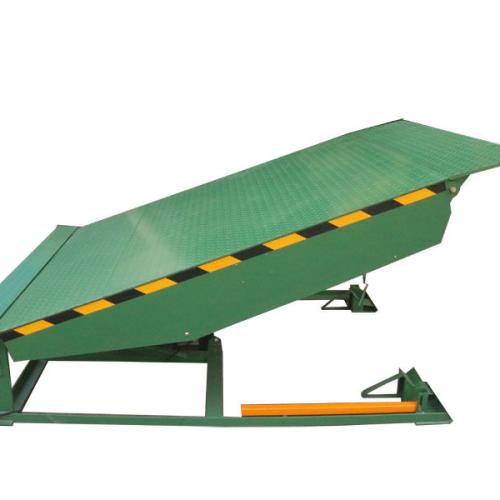
Introduction to Lifting Platforms
Lifting platforms are essential mechanical devices designed to raise and lower goods or personnel safely and efficiently. Widely used across industries such as warehousing, logistics, construction, manufacturing, and maintenance, lifting platforms improve productivity, reduce manual labor, and enhance workplace safety.
Modern lifting platforms incorporate advanced hydraulic and electrical systems to provide smooth, stable, and reliable vertical movement. Whether used for transporting heavy goods, performing maintenance tasks at height, or improving workflow efficiency, lifting platforms have become indispensable equipment in industrial and commercial operations.
What is a Lifting Platform?
A lifting platform, also known as a hydraulic lift platform or scissor lift table, is a device used to elevate loads or workers to a desired height. It typically consists of:
-
Platform (working surface)
-
Lifting mechanism (scissor structure or mast system)
-
Hydraulic system
-
Electric control system
-
Safety protection devices
These systems work together to provide controlled vertical movement with high precision and safety.
Types of Lifting Platforms
1. Scissor Lift Platform
Scissor lifts use a crisscrossing metal support mechanism to raise and lower the platform.
Features:
-
High load capacity
-
Stable lifting
-
Wide platform
Applications:
-
Warehouses
-
Factories
-
Maintenance operations
2. Mobile Lifting Platform
Equipped with wheels, these platforms can be easily moved.
Features:
-
High flexibility
-
Easy transport
-
Suitable for multiple locations
3. Stationary Lift Table
Installed permanently for loading and unloading goods.
Features:
-
High efficiency
-
Ideal for production lines
-
Heavy-duty design
4. Aerial Work Platform
Designed for lifting personnel to work at height.
Features:
-
Safety rails
-
Emergency controls
-
Stable elevation
5. Vertical Mast Lift
Compact design with vertical lifting capability.
Features:
-
Space-saving
-
Suitable for narrow areas
-
Lightweight
6. Hydraulic Cargo Lift
Used for transporting goods between floors.
Features:
-
Large load capacity
-
Customizable height
-
Industrial applications
Working Principle
Lifting platforms operate mainly through hydraulic systems:
-
The electric motor powers the hydraulic pump.
-
Hydraulic oil is pumped into cylinders.
-
Pressure forces the lifting mechanism upward.
-
The platform rises smoothly.
-
Lowering is controlled by releasing hydraulic pressure.
This system ensures smooth, stable, and controlled lifting operations.
Key Features and Advantages
1. High Load Capacity
Lifting platforms can handle heavy loads ranging from a few hundred kilograms to several tons.
2. Safety and Stability
Equipped with multiple safety features:
-
Emergency stop buttons
-
Overload protection
-
Safety rails
-
Anti-slip platforms
3. Easy Operation
User-friendly controls allow operators to manage lifting operations with minimal training.
4. Energy Efficiency
Hydraulic systems consume less energy while delivering powerful lifting performance.
5. Customization Options
Platforms can be tailored to specific requirements:
-
Platform size
-
Lifting height
-
Load capacity
-
Power source
6. Durable Construction
Made from high-quality steel and components, ensuring long service life even in harsh environments.
Applications
Warehousing and Logistics
-
Loading and unloading goods
-
Shelf stocking
-
Material handling
Manufacturing Industry
-
Assembly lines
-
Equipment maintenance
-
Material transport
Construction Industry
-
Building maintenance
-
Installation work
-
High-altitude operations
Retail and Commercial Use
-
Supermarket stocking
-
Shopping mall maintenance
Aviation and Transportation
-
Aircraft maintenance
-
Vehicle servicing
Technical Specifications
Typical specifications include:
-
Load capacity: 300 kg – 5000 kg
-
Lifting height: 1 m – 20 m
-
Platform size: customizable
-
Power supply: AC/DC
-
Control mode: manual or automatic
Customization Options
We provide flexible customization services:
-
Hydraulic or electric drive
-
Indoor or outdoor use
-
Explosion-proof design
-
Stainless steel platform
-
Remote control systems
Installation and Operation
Installation Steps:
-
Site preparation
-
Equipment positioning
-
Hydraulic and electrical connection
-
Testing and commissioning
Operation Guidelines:
-
Ensure proper load distribution
-
Do not exceed maximum capacity
-
Perform regular inspections
Maintenance and Care
To ensure optimal performance:
-
Check hydraulic oil levels
-
Inspect moving parts
-
Clean platform surfaces
-
Test safety systems regularly
Routine maintenance extends equipment lifespan and ensures safety.
Safety Considerations
Safety is a top priority in lifting platform design:
-
Emergency lowering system
-
Safety interlocks
-
Overload protection
-
Anti-fall devices
Operators should always follow safety guidelines and use protective equipment.
Why Choose Our Lifting Platforms?
We offer high-quality lifting solutions with:
Advantages:
-
Advanced hydraulic technology
-
Strict quality control
-
Competitive pricing
-
Fast delivery
-
Global export experience
Certifications:
-
CE certification
-
ISO standards
-
Safety compliance
Energy Efficiency and Environmental Benefits
Modern lifting platforms are designed to:
-
Reduce energy consumption
-
Minimize environmental impact
-
Provide efficient performance
Future Trends in Lifting Equipment
-
Smart control systems
-
Automation integration
-
IoT monitoring
-
Enhanced safety technologies
Conclusion
Lifting platforms are essential equipment for improving efficiency, safety, and productivity in various industries. With their versatility, durability, and advanced features, they provide reliable solutions for material handling and aerial work. Choosing the right lifting platform ensures long-term value and operational success.
FAQ (10 Common Questions)
1. What is a lifting platform?
A lifting platform is a mechanical device used to raise and lower goods or people vertically.
2. What types of lifting platforms are available?
Common types include scissor lifts, mobile lifts, aerial work platforms, and cargo lifts.
3. What is the maximum load capacity?
It varies by model, typically from 300 kg to several tons.
4. Are lifting platforms safe?
Yes, they include multiple safety features such as overload protection and emergency stops.
5. Can lifting platforms be customized?
Yes, they can be tailored to specific size, height, and load requirements.
6. What industries use lifting platforms?
Warehousing, manufacturing, construction, retail, and logistics.
7. How often should maintenance be performed?
Regular inspections are recommended every 3–6 months.
8. What power sources are available?
Electric, hydraulic, and battery-powered options are available.
9. How long do lifting platforms last?
Typically 10–15 years with proper maintenance.
10. Do you provide installation support?
Yes, professional installation and technical support are available.
Send Your Message
Feel free to contact with us. We are ready to assist you.
