

-
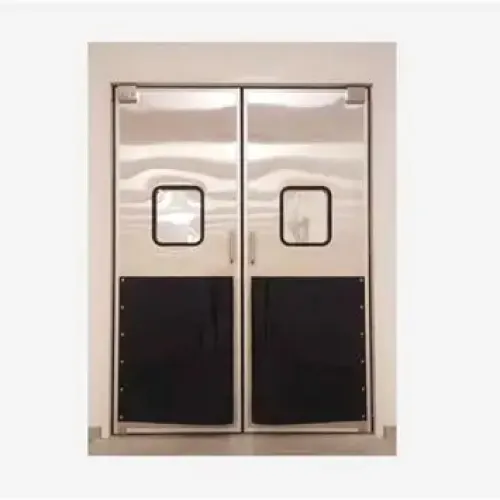
Cold room swing doors
-
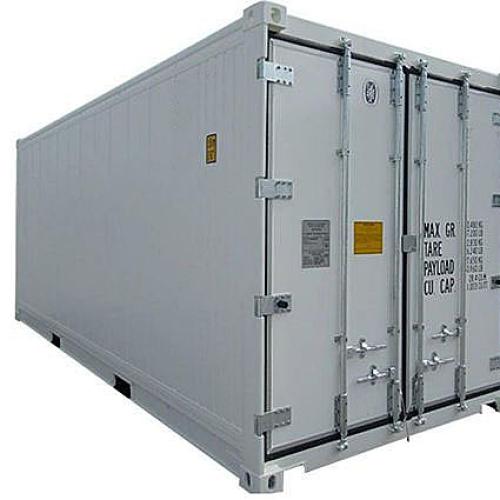
20ft Good Compressor Refrigerated Container
-
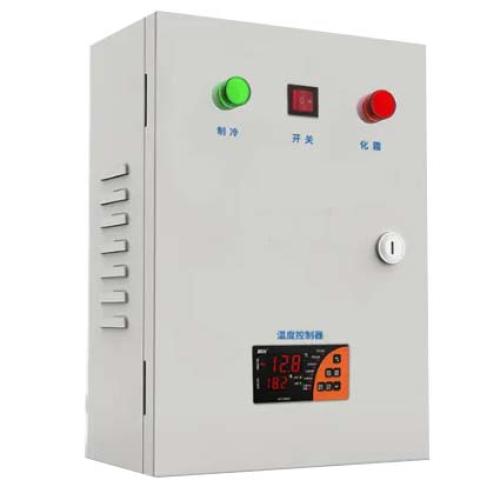
Automatic-Cold-Room-Control-Panel-Changeover-Switc
-
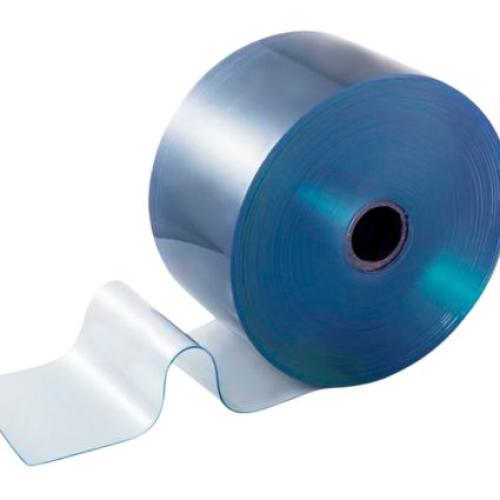
Cold-Room-Air-PVC-Curtain
-
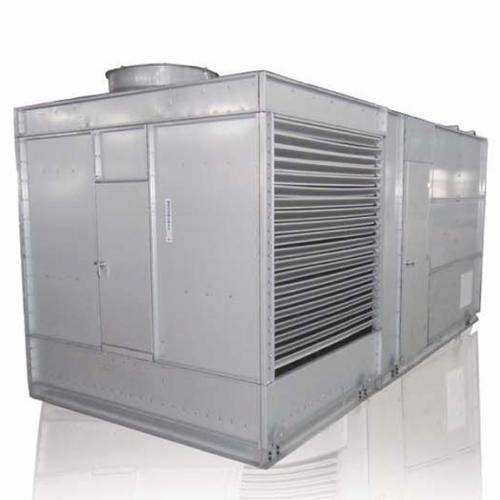
compact integrated water chiller for medical equip
-
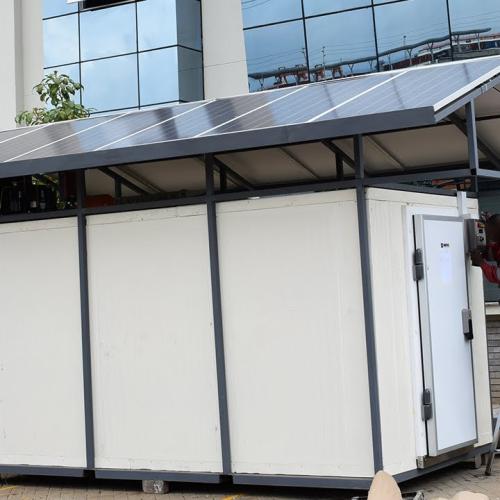
Solar-Powered Cold Storage
-
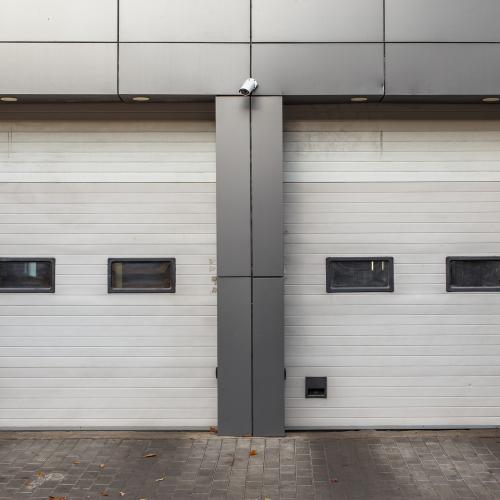
Rapid Roll Up Freezer Door
-

Refrigerated container
-
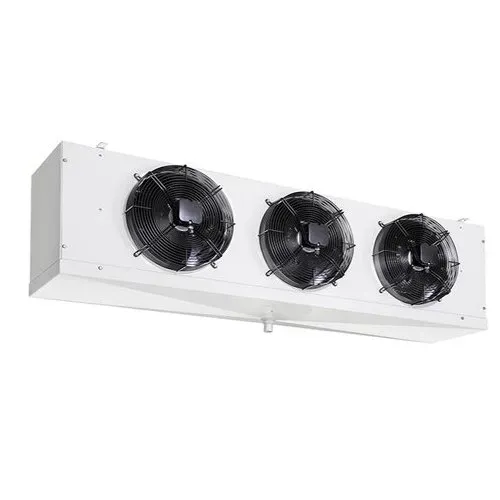
Compact evaporator indoor unit
-

Cold Room
-
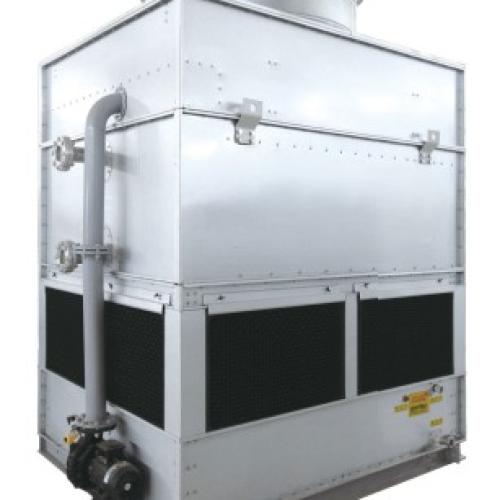
Small capacity cooling tower
-
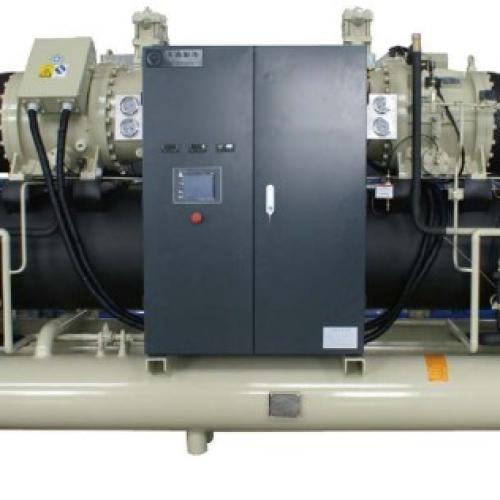
Explosion Proof Low Temp Chiller
Industrial Cold Storage Room Solutions
Our industrial cold storage rooms are designed to provide reliable temperature controlled environments for a wide range of industries including food processing pharmaceutical storage agriculture and logistics With advanced refrigeration technology and high quality insulation materials our cold rooms ensure stable performance energy efficiency and long service life
Whether you are looking for a walk in freezer a chiller room or a large scale cold storage warehouse we offer fully customizable solutions to meet your business requirements
Cold Storage Solutions For Multiple Industries
Food And Beverage Industry
Cold storage is essential for maintaining freshness and extending shelf life Our systems are widely used for storing fruits vegetables meat seafood dairy products and frozen foods By maintaining stable temperatures businesses can reduce waste and ensure product quality
Pharmaceutical And Medical Industry
Temperature sensitive products such as vaccines medicines and biological samples require strict storage conditions Our cold rooms provide precise temperature control and monitoring to ensure compliance with industry standards
Agriculture And Floral Storage
Fresh flowers seeds and agricultural products benefit from controlled environments Our cold storage solutions help preserve quality reduce spoilage and maintain product value during storage and transportation
Logistics And Cold Chain Distribution
Efficient cold chain storage is critical for modern logistics Our systems are ideal for distribution centers warehouses and export operations ensuring consistent temperature throughout the supply chain
Accurate Temperature Control
Our cold storage rooms offer precise temperature ranges suitable for different applications
Chiller rooms from plus fifteen degrees to zero degrees
Freezer rooms from zero to minus twenty five degrees
Deep freezer rooms up to minus forty degrees
Advanced control systems allow real time monitoring automatic adjustment and alarm notifications to ensure product safety and operational reliability
Energy Efficient Refrigeration Technology
Energy efficiency is a key factor in cold storage operations Our systems are designed to reduce energy consumption while maintaining high performance
Features include
High efficiency compressors
Optimized airflow systems
Energy saving control units
These technologies help lower operating costs and improve overall efficiency making our solutions environmentally friendly and cost effective
Modular And Customizable Design
Every business has unique requirements That is why we offer fully customizable cold storage solutions
Custom options include
Room size and layout
Temperature range
Panel thickness
Door type
Flooring system
Our modular panel design allows easy installation flexible expansion and convenient relocation making it ideal for both small and large scale operations
High Quality Insulation Panels
Insulation plays a critical role in maintaining temperature stability We use high density polyurethane panels that provide excellent thermal performance
Benefits include
Reduced energy loss
Improved temperature consistency
Strong structural integrity
These panels are designed to withstand demanding industrial environments while maintaining long term performance
Reliable Refrigeration System
Our refrigeration systems are built using high quality components to ensure durability and efficiency
Key features include
Stable cooling performance
Low noise operation
Long service life
We offer different system configurations including air cooled and water cooled units to meet various environmental and operational needs
Durable Cold Room Doors
Cold room doors are essential for maintaining airtight conditions and temperature stability
We provide
Hinged doors for standard applications
Sliding doors for large openings
Custom doors for specific requirements
All doors are designed with strong sealing performance to prevent cold air leakage and improve energy efficiency
Easy Installation And Maintenance
Our cold storage rooms are designed for quick installation and minimal maintenance
Advantages include
Simple assembly process
Reduced installation time
Easy access for maintenance
We also provide technical support and guidance to ensure smooth operation throughout the product lifecycle
Smart Control System
Modern cold storage requires intelligent control systems Our solutions include advanced digital controllers that allow
Accurate temperature display
Automatic system adjustment
Remote monitoring options
These features help improve efficiency reduce risks and ensure consistent storage conditions
Wide Range Of Applications
Our cold storage systems are suitable for
Supermarkets and retail stores
Restaurants and hotels
Food processing factories
Pharmaceutical companies
Logistics and distribution centers
From small businesses to large industrial facilities our solutions can be tailored to fit different operational scales
Why Choose Our Cold Storage Solutions
Customized solutions based on your needs
Energy efficient design for cost savings
Durable materials for long term use
Flexible modular structure
Professional technical support
We focus on delivering high quality cold storage systems that improve efficiency reliability and performance
Complete Turnkey Service
We provide complete cold storage solutions including
Project design and planning
Manufacturing and quality control
Delivery and installation
After sales service
Our goal is to offer a one stop solution that simplifies your project and ensures successful operation
Get Your Custom Cold Storage Solution Today
If you are looking for a reliable cold storage room supplier we are here to help
Contact us today for professional consultation customized design and competitive pricing
Start building your efficient and reliable cold storage system for your business now
Send Your Message
Feel free to contact with us. We are ready to assist you.
