

-
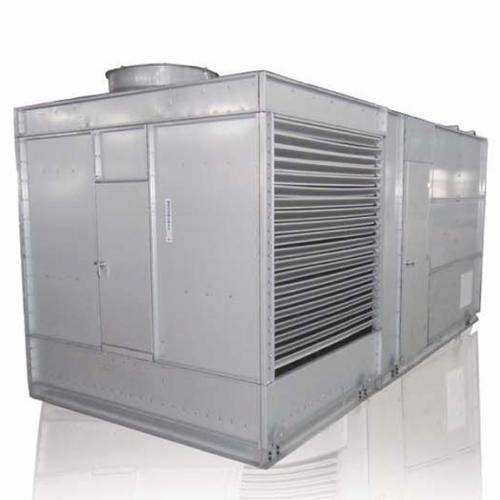
compact integrated water chiller for medical equip
-
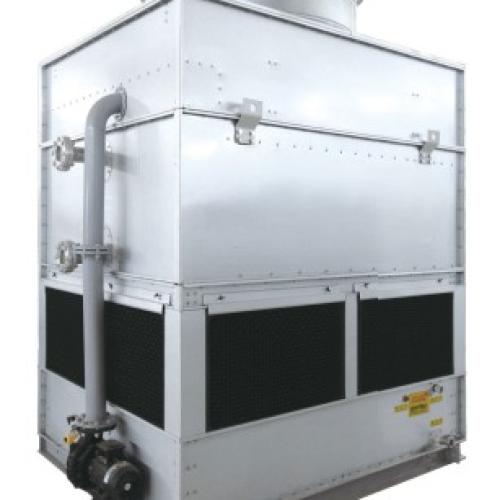
Small capacity cooling tower
-
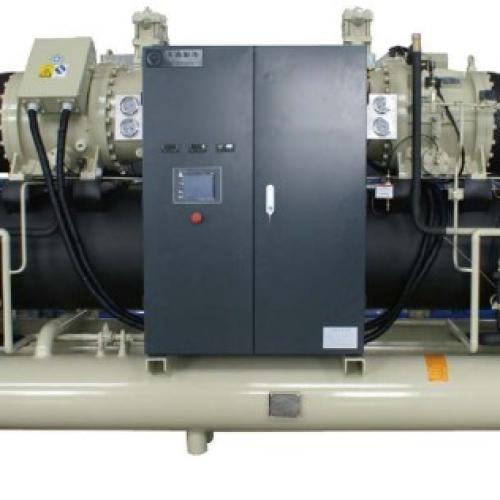
Explosion Proof Low Temp Chiller
-
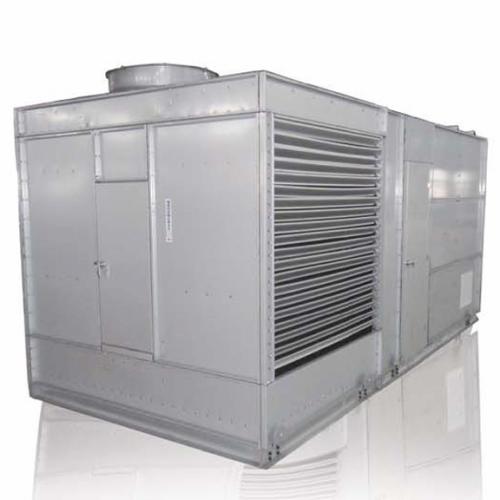
integrated chiller system
-
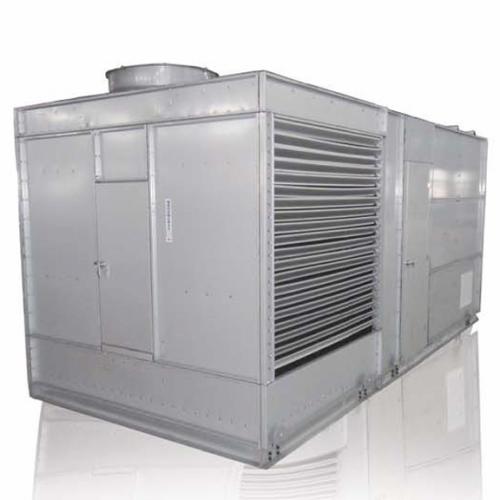
integrated water cooled chiller
-
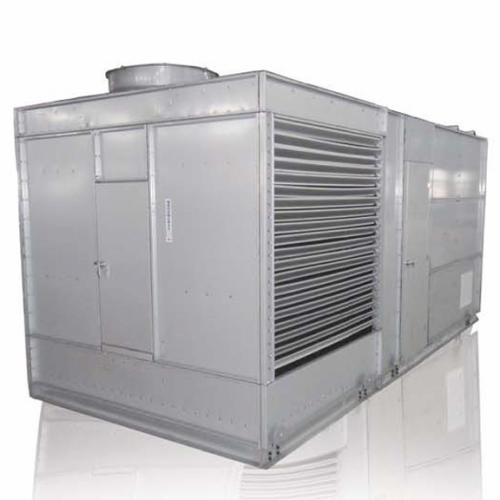
industrial integrated chiller
-
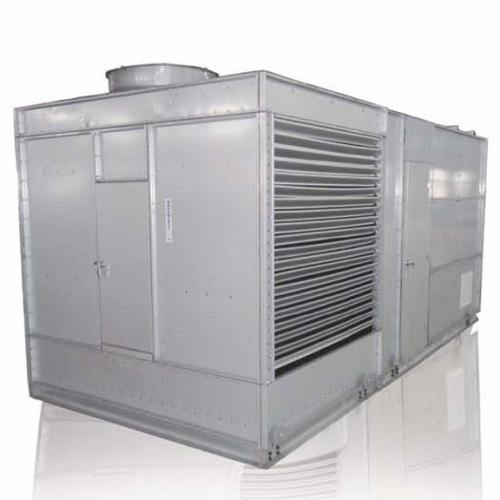
commercial integrated chiller
-
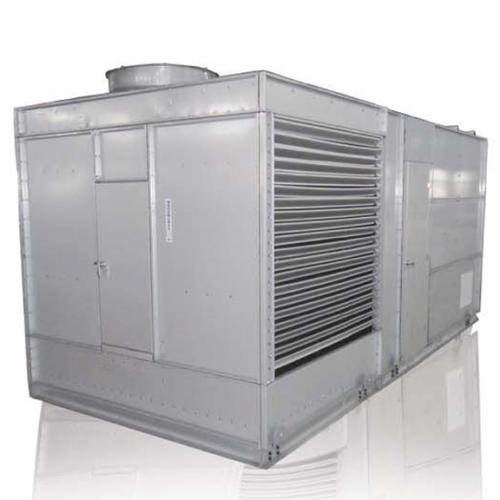
Industrial All-in-One Chiller Unit
-
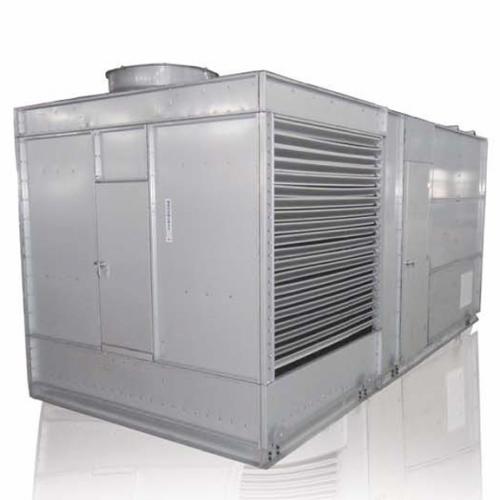
closed loop integrated process water chiller syste
-
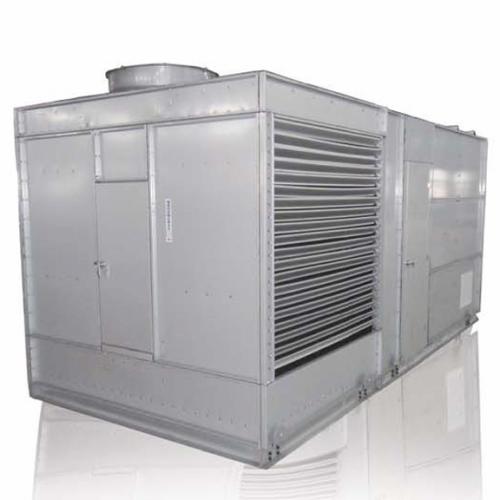
energy efficient integrated variable speed chiller
-
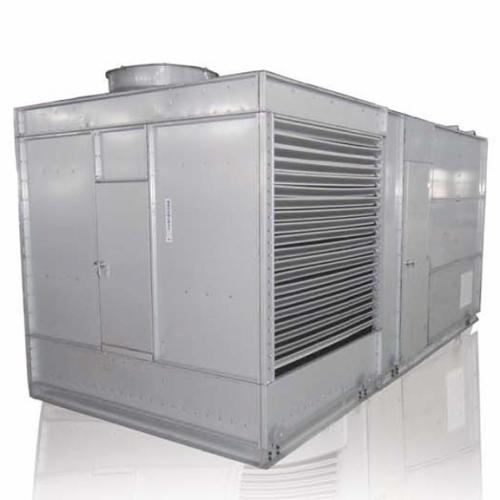
outdoor integrated packaged chiller unit with pump
-
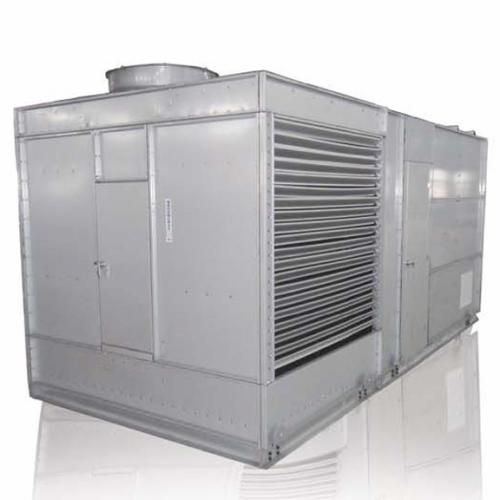
low noise integrated mini liquid chiller unit
Introduction to Refrigeration Units
Refrigeration units are the core components of any cold storage or temperature-controlled system. They are responsible for removing heat from enclosed spaces and maintaining precise temperature conditions required for preserving perishable goods. Whether used in cold rooms, walk-in freezers, refrigerated warehouses, or industrial processing facilities, refrigeration units play a vital role in ensuring product quality, safety, and longevity.
Modern refrigeration units are designed with advanced technology to deliver high efficiency, reliability, and environmental sustainability. With increasing global demand for cold chain logistics and food preservation, selecting the right refrigeration unit has become more important than ever.
What is a Refrigeration Unit?
A refrigeration unit, often referred to as a condensing unit, is a system that includes key components such as:
-
Compressor
-
Condenser
-
Expansion device
-
Evaporator (external or integrated)
Its primary function is to absorb heat from a cold room and release it outside, maintaining the desired temperature inside the storage space.
Working Principle
The refrigeration cycle operates through the continuous circulation of refrigerant:
-
Compression
The compressor compresses low-pressure refrigerant gas into high-pressure gas. -
Condensation
The high-pressure gas passes through the condenser, releasing heat and turning into liquid. -
Expansion
The liquid refrigerant passes through an expansion valve, reducing pressure and temperature. -
Evaporation
The refrigerant absorbs heat inside the cold room through the evaporator, turning back into gas.
This cycle repeats continuously to maintain stable cooling conditions.
Types of Refrigeration Units
1. Air-Cooled Condensing Units
-
Use air to dissipate heat
-
Easy installation
-
Low maintenance
-
Suitable for small to medium cold rooms
2. Water-Cooled Condensing Units
-
Use water for heat exchange
-
Higher efficiency in high-temperature environments
-
Suitable for large industrial applications
3. Evaporative Condensing Units
-
Combine air and water cooling
-
High efficiency
-
Lower energy consumption
4. Monoblock Refrigeration Units
-
Compact, all-in-one design
-
Easy installation
-
Ideal for small cold rooms
5. Split Refrigeration Units
-
Separate indoor evaporator and outdoor condensing unit
-
Flexible installation
-
Suitable for larger systems
Key Features and Advantages
1. High Energy Efficiency
Modern refrigeration units are equipped with:
-
High-performance compressors
-
Optimized heat exchangers
-
Intelligent control systems
These features help reduce energy consumption and operating costs.
2. Stable Temperature Control
Precise temperature control ensures:
-
Consistent product quality
-
Reduced spoilage
-
Compliance with storage standards
3. Durable and Reliable Design
Refrigeration units are built to operate in demanding conditions:
-
Corrosion-resistant materials
-
Heavy-duty components
-
Long service life
4. Wide Temperature Range
Refrigeration units can support various temperature ranges:
-
Chilled storage: 0°C to 10°C
-
Freezing: -18°C to -25°C
-
Deep freezing: below -30°C
5. Low Noise Operation
Advanced fan and compressor designs minimize noise, making units suitable for commercial environments.
6. Environmentally Friendly Refrigerants
Modern systems use eco-friendly refrigerants such as:
-
R404A
-
R134a
-
R507
-
CO₂ (R744)
Applications
Food Industry
-
Meat processing
-
Seafood storage
-
Dairy products
-
Fruit and vegetable preservation
Pharmaceutical Industry
-
Vaccine storage
-
Medical supplies
-
Laboratories
Logistics and Cold Chain
-
Refrigerated warehouses
-
Distribution centers
-
Transportation hubs
Retail and Commercial Use
-
Supermarkets
-
Restaurants
-
Hotels
Key Components Explained
Compressor
The heart of the system, responsible for circulating refrigerant. Types include:
-
Scroll compressors
-
Reciprocating compressors
-
Screw compressors
Condenser
Releases heat absorbed from the cold room.
Evaporator
Absorbs heat from inside the cold room.
Expansion Valve
Controls refrigerant flow and pressure.
Selection Guide
Choosing the right refrigeration unit depends on:
1. Room Size
Larger spaces require higher capacity units.
2. Temperature Requirement
Lower temperatures demand more powerful systems.
3. Ambient Conditions
High ambient temperatures may require enhanced cooling capacity.
4. Product Type
Different products have different storage requirements.
5. Energy Efficiency
Choose units with high efficiency ratings to reduce costs.
Installation and Setup
Installation Steps:
-
Site evaluation
-
Equipment placement
-
Piping and wiring
-
System testing
-
Commissioning
Best Practices:
-
Ensure proper ventilation
-
Maintain correct refrigerant charge
-
Follow manufacturer guidelines
Maintenance and Servicing
Regular maintenance ensures optimal performance:
-
Clean condenser coils
-
Check refrigerant levels
-
Inspect electrical components
-
Monitor system pressure
Preventive maintenance reduces downtime and extends equipment lifespan.
Energy Saving Tips
-
Use proper insulation
-
Avoid frequent door opening
-
Maintain correct temperature settings
-
Perform regular maintenance
Why Choose Our Refrigeration Units?
We offer high-quality refrigeration solutions designed for global markets:
Advantages:
-
Advanced technology
-
High efficiency
-
Reliable performance
-
Competitive pricing
-
Custom solutions
Certifications:
-
ISO certified
-
CE approved
-
Energy efficiency compliant
Customization Options
-
Cooling capacity
-
Compressor brand (Copeland, Bitzer, etc.)
-
Voltage and frequency
-
Refrigerant type
-
Control systems
Future Trends in Refrigeration Technology
-
Smart IoT monitoring systems
-
Natural refrigerants
-
Energy-efficient compressors
-
Automated control systems
Conclusion
Refrigeration units are essential for modern cold storage systems. By choosing high-quality, energy-efficient units, businesses can ensure product safety, reduce costs, and improve operational efficiency. Whether for commercial or industrial use, a reliable refrigeration unit is a long-term investment that delivers consistent performance and value.
FAQ (10 Common Questions)
1. What is a refrigeration unit?
A refrigeration unit is a system that removes heat from a space to maintain low temperatures, commonly used in cold rooms and freezers.
2. What is the difference between a condensing unit and a refrigeration unit?
A condensing unit is a key part of a refrigeration unit, typically including the compressor and condenser.
3. How do I choose the right refrigeration unit?
Consider room size, temperature requirements, ambient conditions, and energy efficiency.
4. What refrigerants are commonly used?
Common refrigerants include R404A, R134a, R507, and CO₂.
5. Are refrigeration units energy efficient?
Yes, modern units are designed to minimize energy consumption while maintaining performance.
6. How often should maintenance be performed?
Routine maintenance should be performed every 3–6 months depending on usage.
7. Can refrigeration units be customized?
Yes, they can be customized based on capacity, compressor type, and application.
8. What industries use refrigeration units?
Food processing, pharmaceuticals, logistics, retail, and agriculture.
9. What is the lifespan of a refrigeration unit?
Typically 10–15 years with proper maintenance.
10. Are refrigeration units environmentally friendly?
Modern systems use eco-friendly refrigerants and energy-efficient designs.
Send Your Message
Feel free to contact with us. We are ready to assist you.
