

-
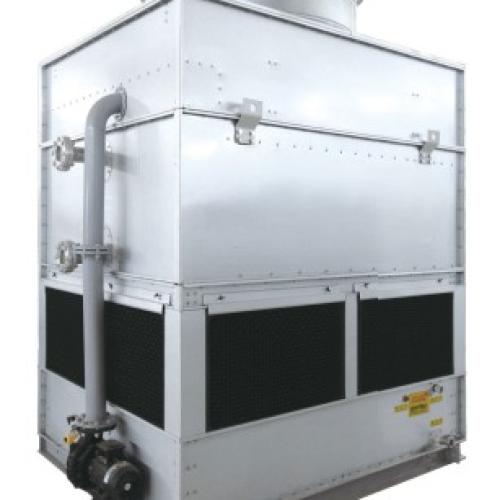
Small capacity cooling tower
-
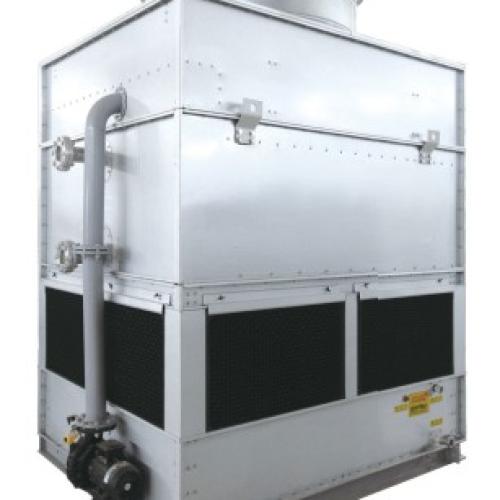
Small capacity cooling tower for injection molding
-
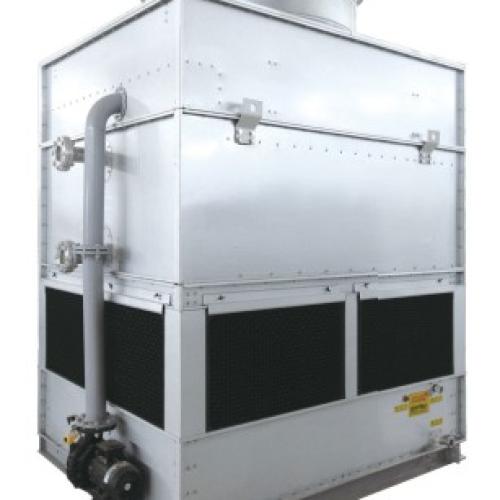
Evaporative cooling condenser for food freezing
-
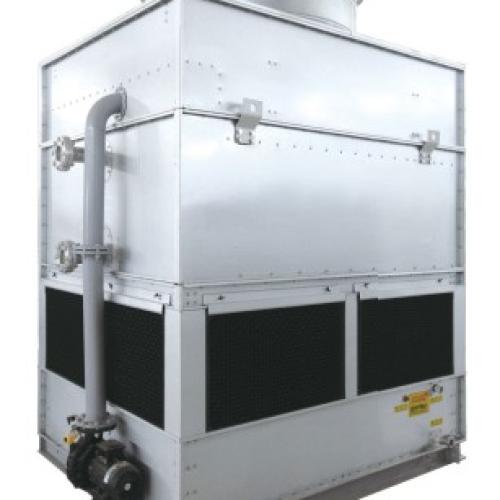
HVAC commercial cooling tower system design
-
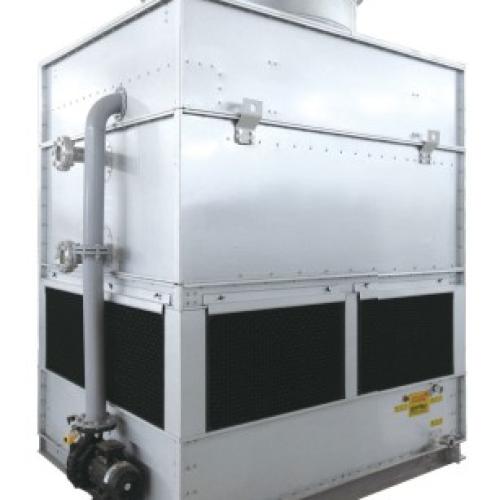
Evaporative condenser for chemical processing plan
-
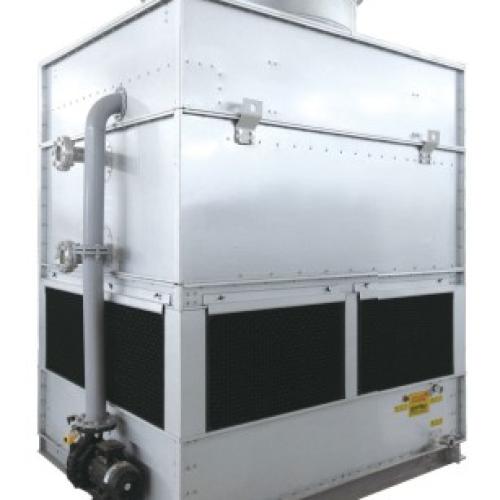
Water saving cooling tower for power plant
-
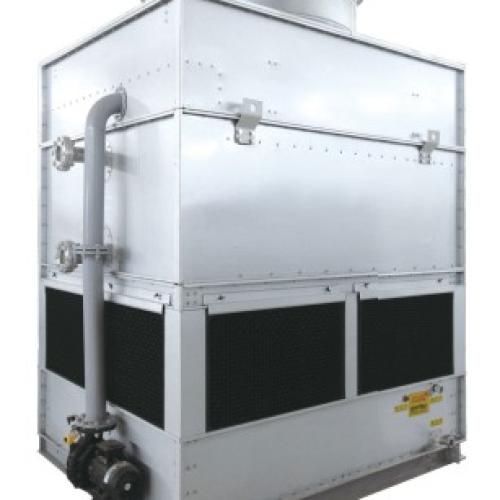
Food processing evaporative condenser
-
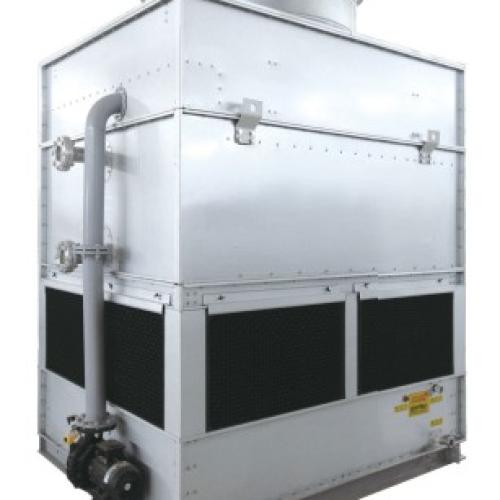
Industrial cooling tower
-
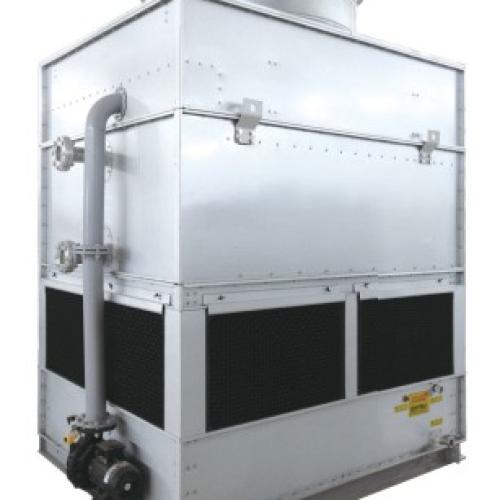
Packaged evaporative condenser suppliers
-
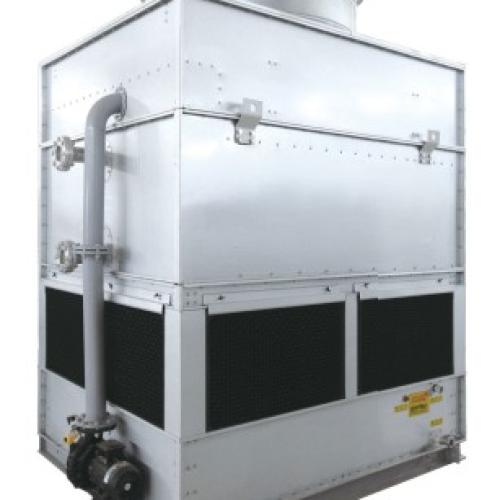
Custom stainless steel evaporative condenser
-
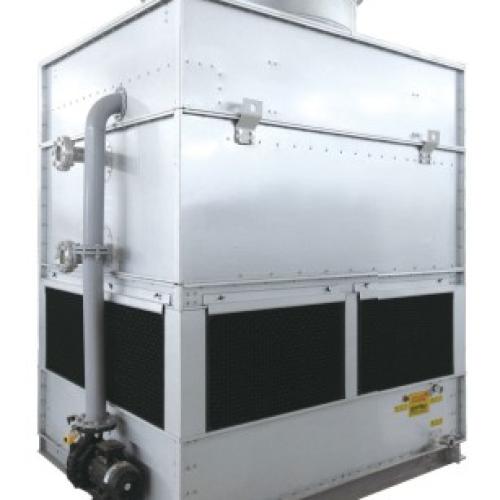
Ammonia evaporative condenser for cold storage
-
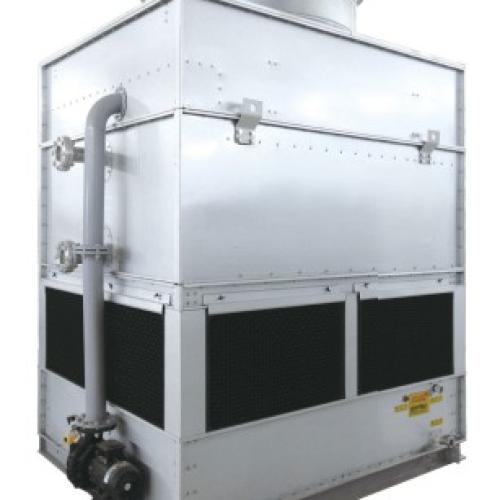
High efficiency closed circuit cooling tower manuf
Introduction
In industrial processes and HVAC systems, effective heat management is essential to maintain operational efficiency and equipment longevity. One of the most widely used solutions for heat dissipation is the cooling tower.
A cooling tower is a heat rejection device that removes excess heat from water-cooled systems by transferring it to the atmosphere through evaporation and air movement. It plays a critical role in industries such as power generation, manufacturing, chemical processing, and commercial air conditioning.
Our high-performance cooling towers are engineered to deliver superior cooling efficiency, energy savings, and long-term durability, making them an ideal solution for modern industrial and commercial applications.
What Is a Cooling Tower?
A cooling tower is a system designed to cool circulating water by removing heat and dissipating it into the air. Warm water from industrial equipment or HVAC systems is pumped into the tower, where it is cooled through evaporation and airflow before being recirculated.
Cooling towers are essential for maintaining temperature control in systems such as:
-
HVAC systems
-
Power plants
-
Industrial machinery
-
Refrigeration systems
Working Principle of Cooling Towers
The cooling process involves three main elements:
1. Heat Transfer
Warm water enters the cooling tower and is distributed over fill media to maximize surface area.
2. Evaporation
A portion of the water evaporates as air flows through the tower, removing heat.
3. Airflow
Fans or natural draft systems move air through the tower, enhancing heat dissipation.
Types of Cooling Towers
1. Open Circuit Cooling Towers
Water comes into direct contact with air for efficient cooling.
Advantages:
-
High efficiency
-
Lower initial cost
2. Closed Circuit Cooling Towers (Fluid Coolers)
Water flows through coils and does not directly contact air.
Advantages:
-
Cleaner operation
-
Reduced contamination
3. Crossflow Cooling Towers
Air flows horizontally across falling water.
Benefits:
-
Energy efficient
-
Low fan power
4. Counterflow Cooling Towers
Air flows vertically opposite to water flow.
Benefits:
-
Higher efficiency
-
Compact design
5. Induced Draft Cooling Towers
Fans draw air through the tower.
Advantages:
-
Stable performance
-
Reduced air recirculation
6. Forced Draft Cooling Towers
Fans push air into the tower.
Advantages:
-
Easy maintenance
-
Lower initial cost
Key Features of Our Cooling Towers
1. High Cooling Efficiency
Designed with advanced fill media and optimized airflow systems.
Benefits:
-
Maximum heat transfer
-
Reduced water temperature quickly
2. Energy-Saving Design
Efficient fans and motors reduce energy consumption.
Features:
-
Low power motors
-
Optimized fan blades
3. Durable Construction
Built with high-quality materials to withstand harsh environments.
Materials Include:
-
FRP (Fiberglass Reinforced Plastic)
-
Stainless steel
-
Galvanized steel
4. Corrosion and UV Resistance
Designed for outdoor use with excellent resistance to environmental factors.
5. Low Noise Operation
Advanced fan design minimizes noise levels.
6. Easy Installation and Maintenance
Modular design allows quick installation and easy servicing.
Technical Specifications
-
Cooling Capacity: Customizable
-
Water Flow Rate: Based on system requirements
-
Temperature Range: Adjustable
-
Fan Type: Axial or centrifugal
-
Material: FRP / Steel / Stainless steel
-
Power Supply: 220V / 380V / Custom
-
Noise Level: Low-noise design
Applications of Cooling Towers
Power Plants
-
Thermal power stations
-
Nuclear power plants
Industrial Manufacturing
-
Steel plants
-
Chemical processing
-
Plastic and rubber industries
HVAC Systems
-
Commercial buildings
-
Shopping malls
-
Hospitals
Refrigeration Systems
-
Cold storage facilities
-
Ice plants
Advantages of Cooling Towers
1. Efficient Heat Dissipation
Quickly removes excess heat from systems.
2. Energy Savings
Reduces energy consumption compared to alternative cooling methods.
3. Water Conservation
Recirculates water efficiently.
4. Cost-Effective Operation
Lower operational and maintenance costs.
5. Environmentally Friendly
Reduces thermal pollution.
Materials and Construction
FRP (Fiberglass Reinforced Plastic)
-
Lightweight
-
Corrosion-resistant
-
Durable
Galvanized Steel
-
Strong
-
Cost-effective
Stainless Steel
-
High corrosion resistance
-
Long lifespan
Installation Guidelines
-
Install on a stable and level foundation
-
Ensure proper airflow clearance
-
Connect water and electrical systems correctly
-
Follow manufacturer instructions
Maintenance Tips
-
Regularly clean fill media
-
Inspect fans and motors
-
Check water quality
-
Remove scale and debris
-
Monitor system performance
Customization Options
We offer customized cooling tower solutions:
-
Capacity and size customization
-
Material selection
-
Noise reduction options
-
OEM & ODM services
Why Choose Our Cooling Towers?
-
Advanced engineering design
-
High-quality materials
-
Energy-efficient performance
-
Competitive pricing
-
Global service support
SEO Keywords (Naturally Integrated)
-
Cooling tower
-
Industrial cooling tower
-
Water cooling system
-
HVAC cooling tower
-
Cooling tower manufacturer
-
Industrial heat rejection system
Frequently Asked Questions (FAQ)
1. What is a cooling tower?
It is a device used to remove heat from water by transferring it to the air.
2. How does a cooling tower work?
It uses evaporation and airflow to cool water.
3. What industries use cooling towers?
Power plants, manufacturing, HVAC, and refrigeration.
4. What is the difference between open and closed cooling towers?
Open towers allow direct contact with air, while closed towers use coils.
5. Is it energy efficient?
Yes, it reduces energy consumption compared to other systems.
6. Can it be customized?
Yes, capacity and design can be customized.
7. How often should it be maintained?
Regular maintenance is recommended monthly or quarterly.
8. What materials are used?
FRP, galvanized steel, and stainless steel.
9. Is it suitable for outdoor use?
Yes, it is designed for outdoor environments.
10. What is its lifespan?
Typically 10–20 years with proper maintenance.
Conclusion
A cooling tower is an essential component in industrial and commercial systems, providing efficient heat dissipation and energy savings. With advanced design, durable materials, and reliable performance, our cooling towers offer the perfect solution for a wide range of applications.
Whether you need a cooling tower for HVAC, industrial processes, or refrigeration systems, we provide high-quality, customizable solutions to meet your needs.
Send Your Message
Feel free to contact with us. We are ready to assist you.
