

-
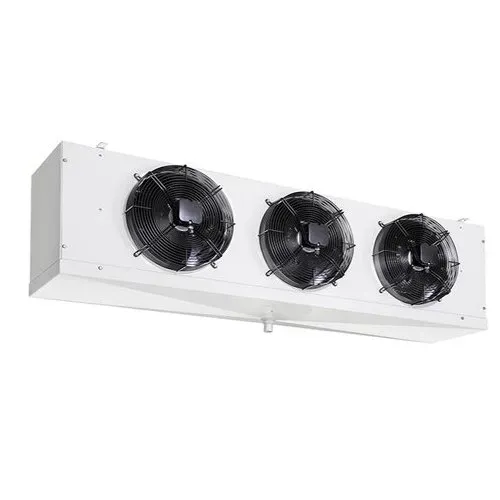
Compact evaporator indoor unit
-
Floor standing evaporator indoor unit
-
Fixed speed evaporator indoor unit
-
Variable speed evaporator indoor unit
-
Residential evaporator indoor unit
-
Small evaporator indoor unit
-
Evaporator indoor unit for portable AC
-
Evaporator indoor unit for multi split AC
-
Evaporator indoor unit for cold room
-
Household evaporator indoor unit
-
Large capacity evaporator indoor unit
-
Commercial evaporator indoor unit
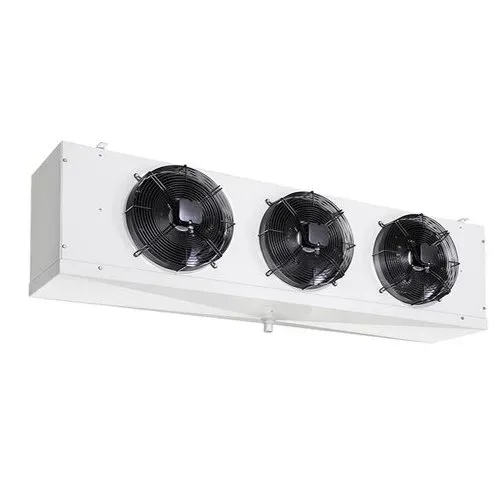
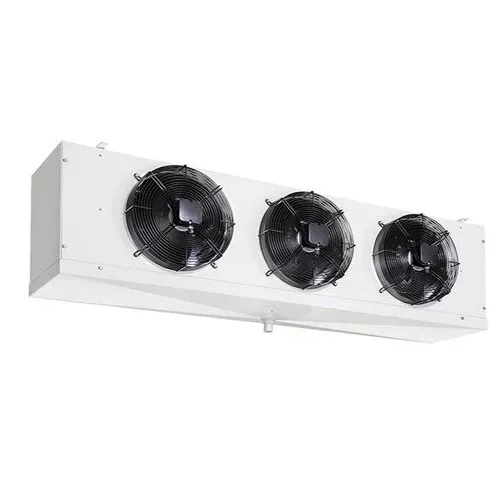
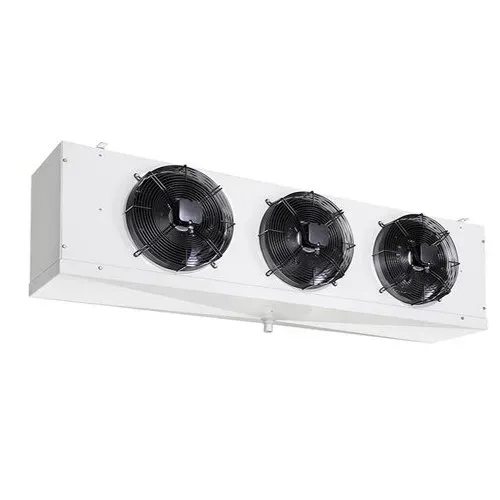
Introduction to Cold Storage Equipment
Cold storage equipment plays a crucial role in modern industries that require precise temperature control to preserve product quality, safety, and shelf life. From food processing and pharmaceutical storage to logistics and retail, reliable refrigeration systems are essential for maintaining optimal environmental conditions.
Cold storage equipment refers to a wide range of refrigeration systems and components, including cold rooms, refrigeration units, evaporators, condensers, insulated panels, and control systems. These integrated solutions are designed to create and maintain low-temperature environments for various applications.
With the expansion of global cold chain logistics and increasing demand for fresh and frozen products, advanced cold storage equipment has become indispensable for businesses seeking efficiency, compliance, and sustainability.
What is Cold Storage Equipment?
Cold storage equipment encompasses all machinery and systems used to maintain controlled temperature environments. These systems work together to remove heat, regulate humidity, and ensure consistent storage conditions.
Main Components Include:
-
Refrigeration units (condensing units)
-
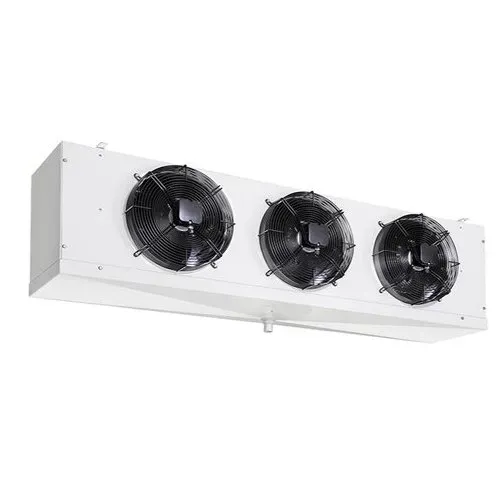
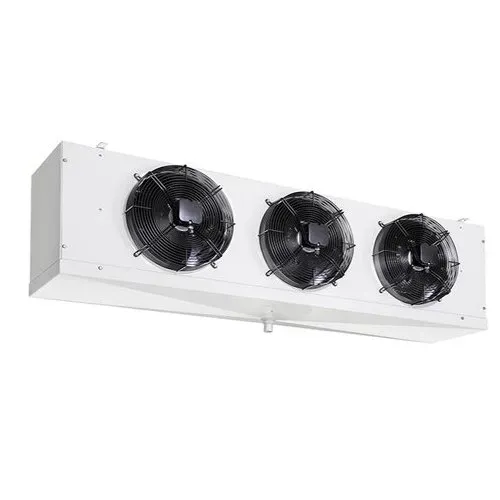
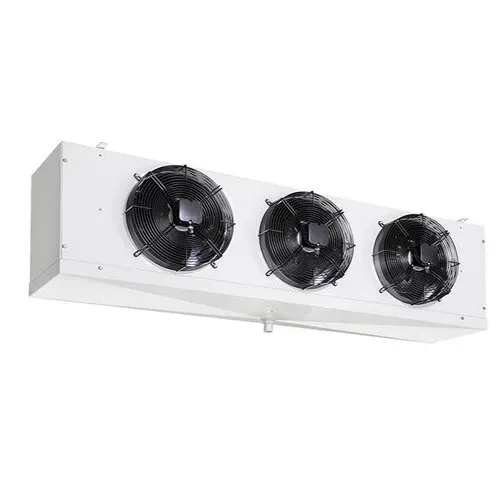
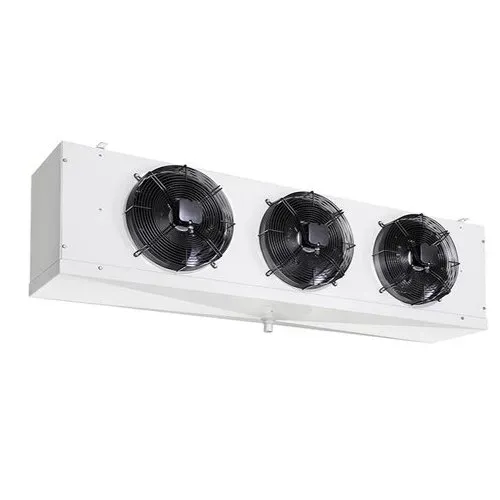
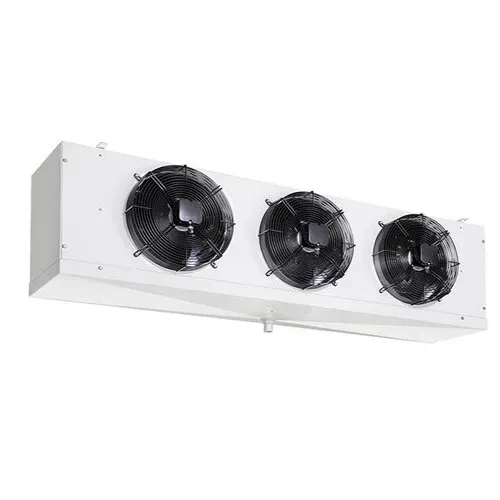
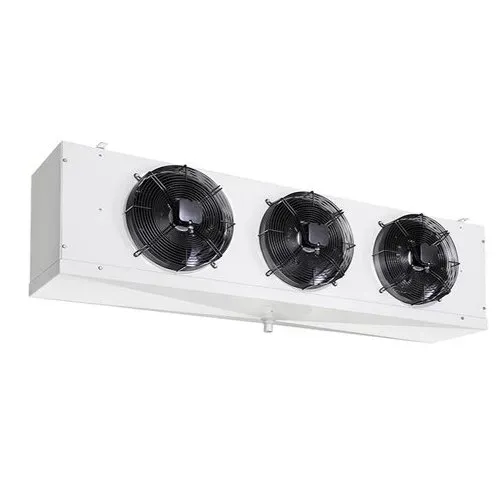
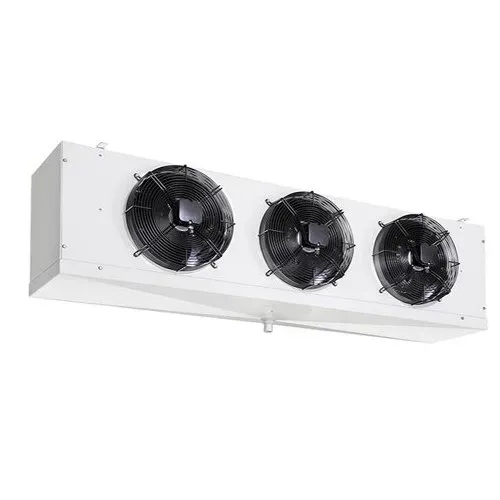
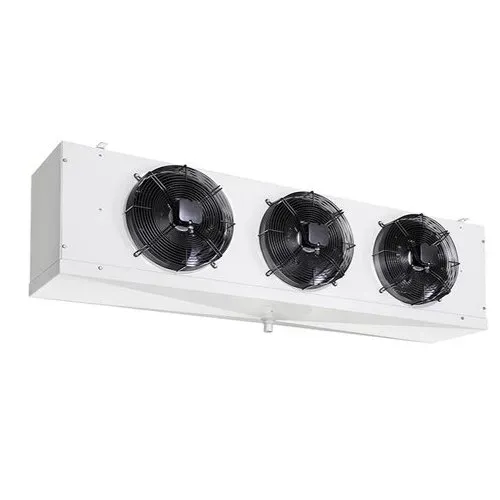
Evaporators (air coolers)
-
Condensers
-
Cold room panels (insulation systems)
-
Cold storage doors
-
Temperature control systems
-
Monitoring and automation systems
Each component plays a vital role in ensuring the overall efficiency and reliability of the cold storage system.
Types of Cold Storage Equipment
1. Cold Rooms and Walk-in Freezers
Cold rooms are insulated spaces designed to store perishable goods at controlled temperatures. They can be customized in size, temperature range, and configuration.
-
Walk-in chillers (0°C to 10°C)
-
Walk-in freezers (-18°C to -25°C)
-
Blast freezers (rapid freezing applications)
2. Refrigeration Units
Refrigeration units are responsible for cooling the storage space. They include compressors, condensers, and expansion systems.
-
Air-cooled units
-
Water-cooled units
-
Split systems
-
Monoblock units
3. Evaporators (Air Coolers)
Evaporators absorb heat from the cold room and circulate cool air evenly.
-
Ceiling-mounted air coolers
-
Floor-mounted evaporators
-
High-efficiency heat exchangers
4. Condensers
Condensers release heat absorbed by the system into the surrounding environment.
-
Air-cooled condensers
-
Water-cooled condensers
-
Evaporative condensers
5. Insulated Panels
Insulated sandwich panels form the structure of cold rooms, providing thermal insulation and structural strength.
6. Cold Storage Doors
Doors are designed to minimize temperature loss and ensure airtight sealing.
-
Hinged doors
-
Sliding doors
-
High-speed doors
7. Control and Monitoring Systems
Modern cold storage systems use intelligent controls to ensure optimal performance.
-
Digital temperature controllers
-
Remote monitoring systems
-
Alarm systems
Working Principle of Cold Storage Systems
Cold storage equipment operates based on the refrigeration cycle:
-
The compressor compresses refrigerant gas.
-
The condenser releases heat and converts gas into liquid.
-
The expansion valve reduces pressure.
-
The evaporator absorbs heat inside the cold room.
This continuous cycle ensures stable temperature control and efficient cooling.
Key Features and Advantages
1. High Energy Efficiency
Advanced refrigeration systems are designed to reduce energy consumption through:
-
Efficient compressors
-
Optimized airflow
-
Smart control systems
2. Precise Temperature Control
Modern equipment ensures accurate temperature regulation, which is essential for:
-
Food safety
-
Pharmaceutical storage
-
Industrial processes
3. Modular and Flexible Design
Cold storage systems can be customized to meet specific requirements:
-
Expandable structures
-
Flexible configurations
-
Easy installation
4. Durability and Reliability
High-quality materials and engineering ensure:
-
Long service life
-
Resistance to corrosion
-
Stable performance under harsh conditions
5. Hygienic Design
Smooth surfaces and easy-to-clean materials make the equipment suitable for:
-
Food processing facilities
-
Clean rooms
-
Medical storage
6. Environmental Sustainability
Modern cold storage equipment supports:
-
Eco-friendly refrigerants
-
Reduced carbon emissions
-
Energy-saving technologies
Applications
Food Industry
-
Meat and poultry processing
-
Seafood storage
-
Dairy products
-
Fruits and vegetables
Pharmaceutical Industry
-
Vaccine storage
-
Drug preservation
-
Laboratory use
Logistics and Cold Chain
-
Distribution centers
-
Refrigerated warehouses
-
Transportation hubs
Retail and Hospitality
-
Supermarkets
-
Restaurants
-
Hotels
Agriculture
-
Post-harvest storage
-
Seed preservation
Temperature Ranges and Applications
| Temperature Range | Application |
|---|---|
| 0°C to 10°C | Fresh storage |
| -18°C to -25°C | Frozen storage |
| Below -30°C | Deep freezing |
Customization Options
Cold storage equipment can be tailored to meet different needs:
-
Size and capacity
-
Temperature requirements
-
Refrigeration system type
-
Panel thickness
-
Door type
-
Control system
Installation and Project Implementation
Process:
-
Site evaluation
-
System design
-
Equipment selection
-
Installation
-
Testing and commissioning
Benefits:
-
Efficient project execution
-
Reduced installation time
-
Reliable system performance
Maintenance and After-Sales Service
Regular maintenance is essential for long-term performance:
-
Cleaning heat exchangers
-
Checking refrigerant levels
-
Inspecting electrical systems
-
Monitoring system performance
Professional after-sales support ensures minimal downtime and maximum efficiency.
Energy Saving and Cost Efficiency
To reduce operating costs:
-
Use high-efficiency equipment
-
Maintain proper insulation
-
Optimize system operation
-
Perform regular maintenance
Why Choose Our Cold Storage Equipment?
We provide comprehensive refrigeration solutions with:
Advantages:
-
High-quality manufacturing
-
Advanced technology
-
Competitive pricing
-
Global export experience
-
Custom engineering solutions
Certifications:
-
ISO certified
-
CE certified
-
Energy efficiency standards compliant
Future Trends in Cold Storage Equipment
-
Smart IoT-based monitoring
-
Automation and AI integration
-
Natural refrigerants (CO₂, ammonia)
-
Energy-efficient system designs
Conclusion
Cold storage equipment is essential for industries requiring temperature-controlled environments. By investing in high-quality, energy-efficient systems, businesses can ensure product safety, reduce costs, and enhance operational efficiency. Whether for commercial or industrial applications, reliable refrigeration equipment is the foundation of a successful cold chain system.
FAQ (10 Common Questions)
1. What is cold storage equipment?
Cold storage equipment includes systems and components used to maintain controlled low-temperature environments.
2. What industries use cold storage equipment?
Food processing, pharmaceuticals, logistics, retail, and agriculture industries.
3. How does refrigeration equipment work?
It operates through a refrigeration cycle that removes heat and maintains low temperatures.
4. What temperature ranges can be achieved?
From +10°C down to below -30°C depending on the system.
5. Can cold storage systems be customized?
Yes, they can be tailored to specific size, temperature, and application requirements.
6. Are these systems energy efficient?
Modern systems are designed to minimize energy consumption and reduce operating costs.
7. What maintenance is required?
Regular cleaning, inspection, and monitoring are recommended.
8. How long does cold storage equipment last?
Typically 10–20 years with proper maintenance.
9. What refrigerants are used?
Common refrigerants include R404A, R134a, CO₂, and ammonia.
10. Do you provide installation support?
Yes, professional installation and technical support are usually available.
Send Your Message
Feel free to contact with us. We are ready to assist you.
