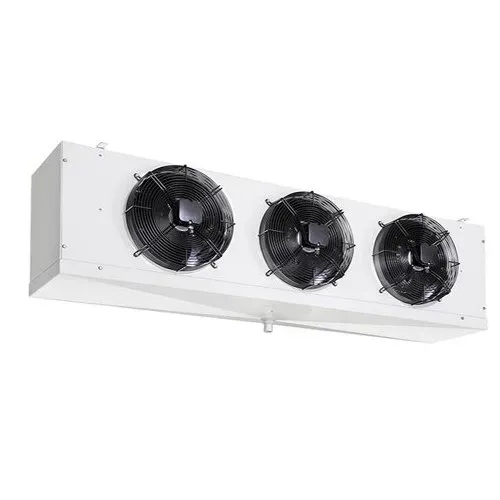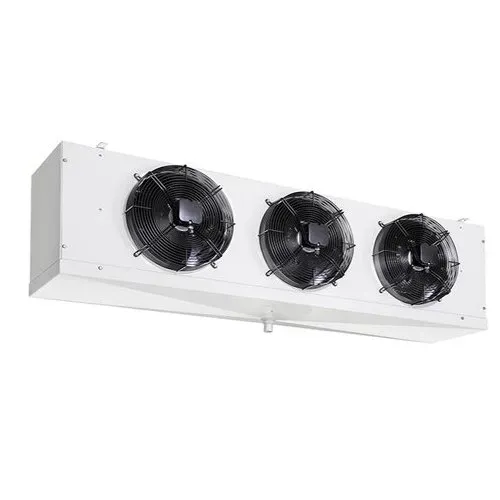
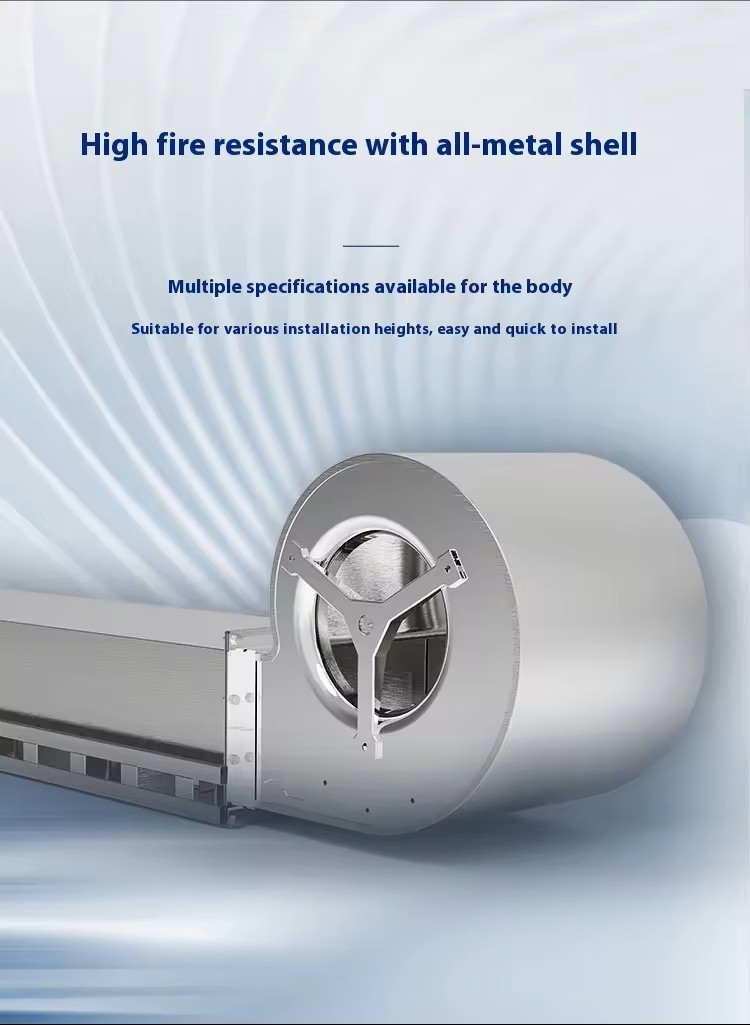
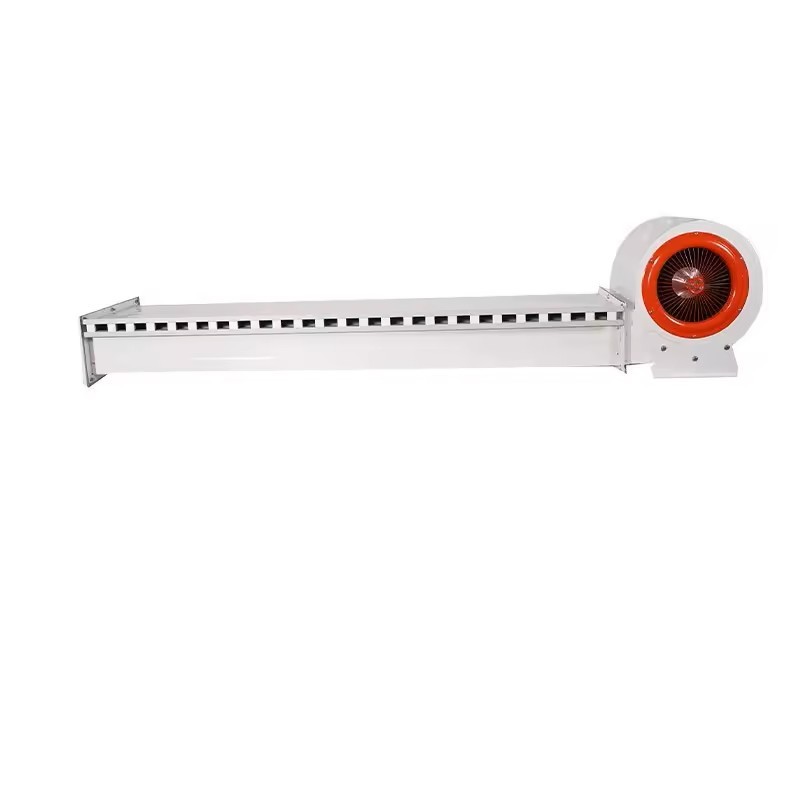
Frost prevention air barrier for blast freezers
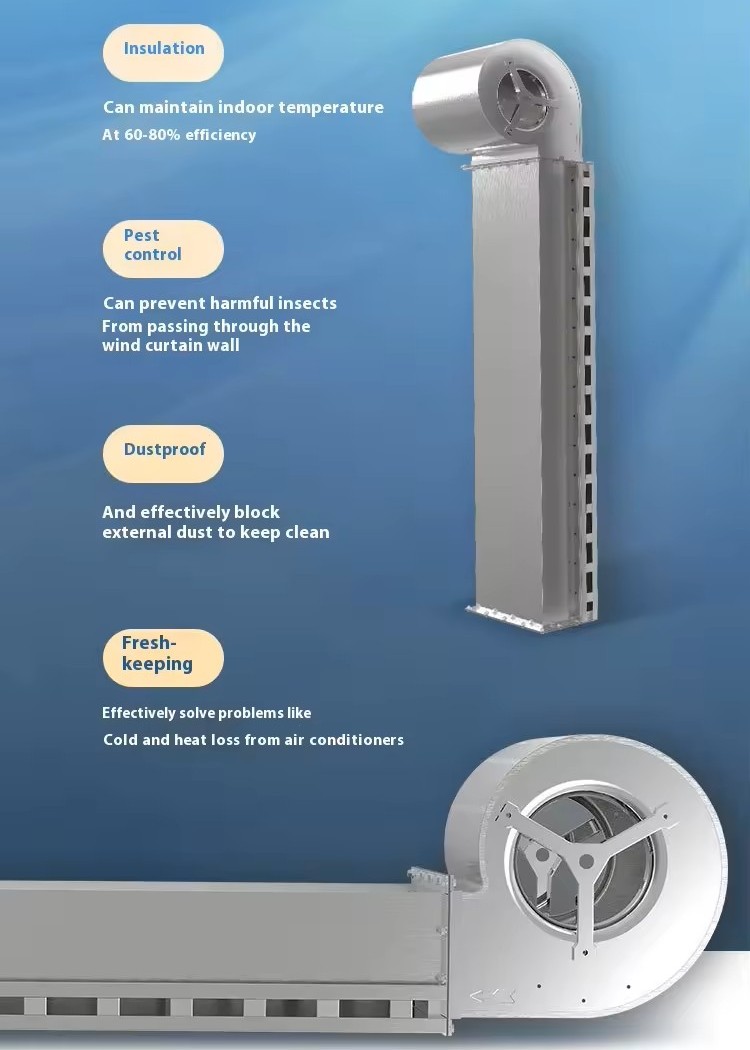
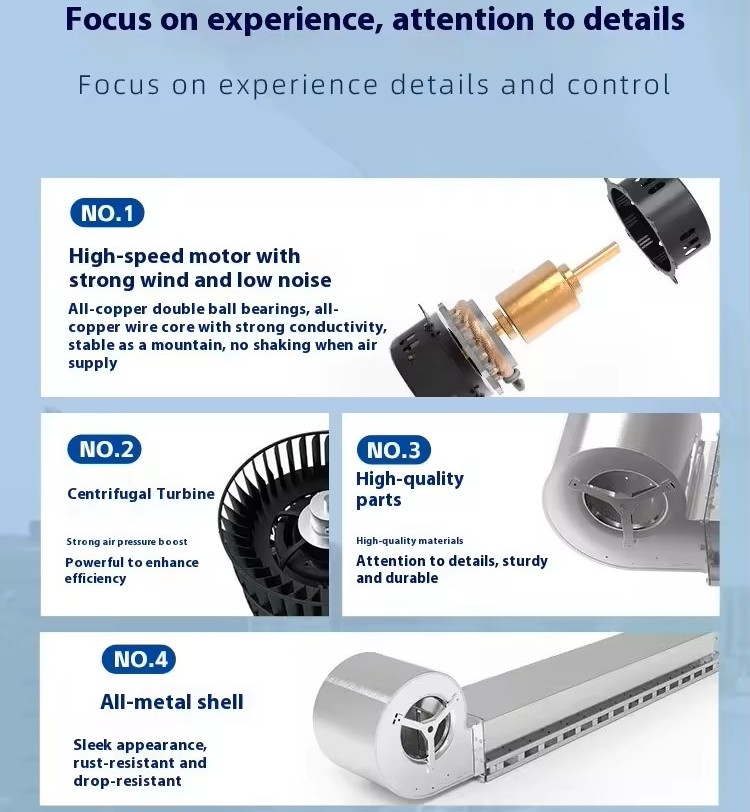
Superior Thermal Insulation and Frost Inhibition
The frost prevention air barrier for blast freezers is engineered with cutting-edge thermal insulation technology to address the core challenge of frost accumulation in ultra-low-temperature environments. It features a multi-layered composite insulation structure, typically incorporating high-density polyurethane (PU) or polyisocyanurate (PIR) foam cores with thickness ranging from 120mm to 200mm, which delivers exceptional thermal resistance (R-value) to minimize heat transfer between the blast freezer’s interior (as low as -40°C) and the external ambient environment. This robust insulation layer acts as a primary defense against warm air infiltration, the root cause of frost formation on freezer walls, floors, and cooling coils.
Beyond basic insulation, the barrier integrates advanced anti-frost materials and design principles. Its outer and inner facings are constructed from food-grade, corrosion-resistant materials such as embossed aluminum or stainless steel, which are non-porous and smooth, preventing moisture from adhering and crystallizing into frost. The barrier’s panels employ a precision tongue-and-groove locking system, creating an airtight seal at all joints to eliminate gaps where warm, moist air could seep in.
Optimized Airflow Management and Energy Efficiency
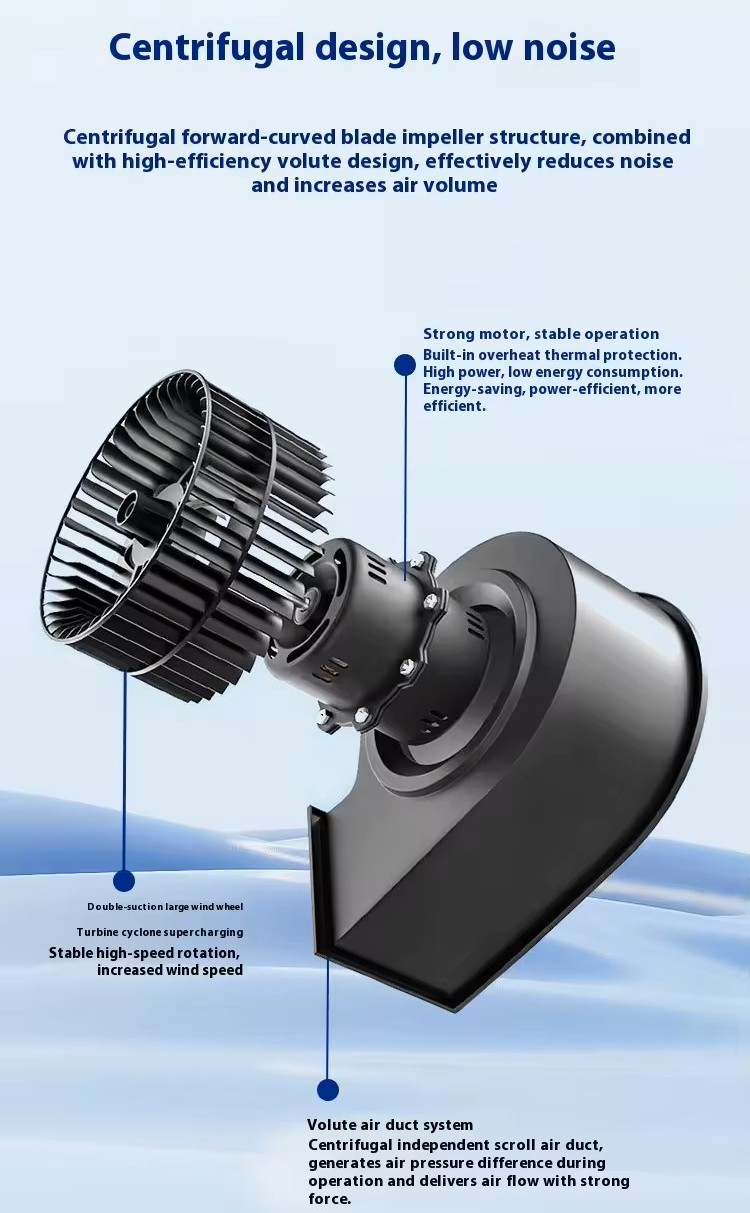
A defining feature of the frost prevention air barrier is its intelligent airflow management system, which is tailored to the high-velocity, low-temperature airflow dynamics of blast freezers. Unlike conventional barriers that obstruct airflow, this product is designed to guide and stabilize cold air circulation, enhancing the efficiency of the blast freezing process. It features strategically placed air-directing panels and flexible sealing components that redirect turbulent cold air toward the product load, ensuring uniform cooling across all surfaces and reducing freezing cycle times by 20% or more. This targeted airflow eliminates cold air stratification and prevents the formation of frost-prone dead zones within the freezer.The barrier’s airflow optimization directly translates to significant energy savings. By minimizing heat infiltration and maintaining stable internal temperatures, it reduces the workload on the blast freezer’s refrigeration compressors and fans. Studies show that facilities using this air barrier can lower energy consumption by 15-25% annually, as the refrigeration system operates less frequently and at peak efficiency. The airtight construction also prevents the loss of cold air during loading and unloading operations, a major source of energy waste in blast freezers. Furthermore, the barrier’s lightweight yet durable design (using industrial-grade vinyl and reinforced steel frames) reduces structural stress on the freezer, allowing for more efficient fan operation and further energy conservation. This combination of airflow control and energy efficiency makes the barrier a cost-effective solution for reducing operational expenses while boosting freezing performance.
Durability, Hygiene, and Operational Safety
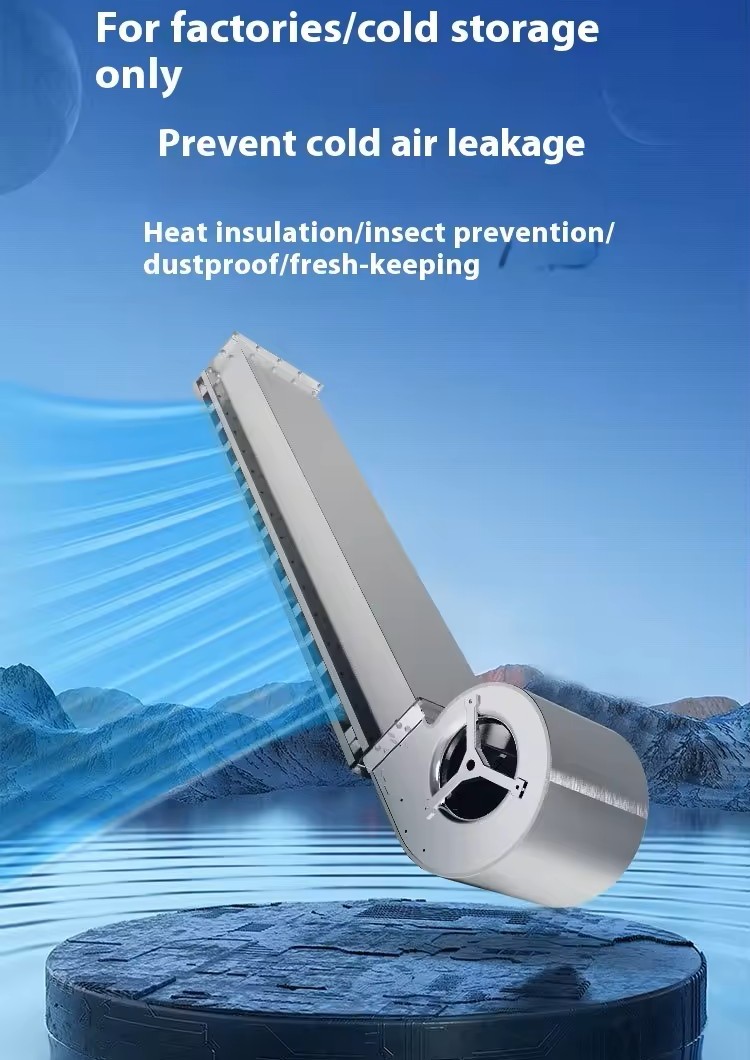
Built to withstand the harsh conditions of industrial blast freezing operations, the frost prevention air barrier boasts exceptional durability and longevity. Its structural frame is fabricated from heavy-gauge galvanized steel, resistant to rust, corrosion, and physical impact from forklifts, trolleys, and heavy product loads. The insulation panels are reinforced with internal support structures to maintain their shape and insulation properties even under repeated temperature cycling and high humidity. The outer vinyl or metal facings are tear-resistant, anti-aging, and capable of withstanding prolonged exposure to temperatures as low as -40°C without becoming brittle or cracking. This rugged construction ensures a service life of 10-15 years with minimal degradation, far exceeding the lifespan of standard plastic or fabric barriers.Hygiene is a critical feature for food processing and cold storage applications, and the air barrier is designed to meet strict food safety standards. All materials used are non-toxic, food-safe, and compliant with regulations such as FDA and HACCP guidelines. The smooth, non-porous surfaces of the barrier panels are easy to clean and sanitize, resisting the buildup of bacteria, mold, and food residues. The barrier also incorporates anti-microbial additives in its insulation and facing materials, inhibiting the growth of harmful microorganisms and ensuring a sanitary environment for frozen food products. Additionally, the barrier’s design eliminates hard-to-reach crevices where debris and moisture can accumulate, further enhancing hygiene and reducing the risk of product contamination.
Operational safety is prioritized in the barrier’s design, addressing key hazards in blast freezer environments. The barrier features a flexible, sliding panel system (single-slide or bi-parting) that operates smoothly on a track-and-trolley mechanism, allowing single-person operation without the need for heavy lifting or complex machinery. This eliminates the risk of injuries associated with operating heavy insulated panel doors.
· PrFood processing workshops
· Cold stores and freezer rooms
· Cold chain logistics centres and distribution warehouses
· Pharmaceutical factories and cleanrooms
· Biological laboratories and sample repositories
· Flower preservation chambers
· Low-temperature storage for
|
Product Name |
Frost prevention air barrier for blast freezers |
||
| Shell Material |
|
||
| Suitable Door Height |
2.0m - 2.5m |
||
| Available Widths |
900mm / 1200mm / 1500mm (Customizable) |
||
| Motor Type | Pure Copper Core, Low Temp Lubrication | ||
| Voltage/Frequency | 220V / 50Hz (Single Phase) | ||
| Power Input | 160W - 230W (Depending on width) | ||
| Air Velocity |
|
||
| Air Volume |
1200 - 1900 m³/h |
||
| Noise Level |
|
||
| IP Rating |
IP44 |
||
| Control Method |
Mechanical Button / Optional Door Switch |
Frequently Asked Questions (FAQ)
1. What is the main purpose of a cold storage air curtain?
Its primary function is to create an invisible air barrier that prevents cold air from escaping and warm air from entering when the cold room door is open. This maintains the internal temperature and reduces the load on your cooling compressor.
2. Do air curtains actually cool the room?
No. An air curtain is not an air conditioner. It does not generate cold air. Instead, it acts as a "seal" or a "door" made of air to keep the existing cold air inside the room.
3. Can an air curtain replace a physical door?
No. Air curtains are designed to work when the physical door is open (during loading/unloading). When the facility is closed for the night, the physical insulated door should still be closed for maximum security and insulation.
4. Why is an air curtain better than PVC strip curtains?
Air curtains offer a touchless solution, meaning no physical barrier touches your food or goods (better hygiene). They also don't scratch or fog up like PVC strips (better safety/visibility) and don't require frequent replacement due to wear and tear.
5. How much energy can I save?
While results vary based on usage and temperature differences, a properly installed air curtain can retain 80-90% of the conditioned air, potentially reducing your energy costs by 30-50% compared to an unprotected open door.
6. Does it prevent insects and dust?
Yes. The high-velocity airflow (usually above 15 m/s for industrial units) is strong enough to physically repel flying insects (flies, mosquitoes) and airborne dust, keeping your cold storage hygienic.
7. Should I install the air curtain inside or outside the cold room?
For the best results, we recommend installing the unit on the "warm side" (outside the cold room/freezer), blowing air downwards. This prevents the motor from freezing and stops warm air before it even enters the doorway.
8. Can I install the air curtain vertically?
Yes. If you lack headroom above the door, you can install units vertically on the sides of the door. For very wide doors, we recommend installing vertical units on both sides to create a meeting airflow in the center.
9. What is the ideal installation height?
It depends on the model. Commercial units are usually effective up to 2.5 - 3.0 meters. Heavy-duty industrial units can seal doors up to 5.0 - 6.0 meters high. Always check the "Effective Discharge Distance" in the specs.
10. Do I need a door switch?
We highly recommend it. A mechanical or magnetic door switch turns the air curtain on only when the door opens and turns it off when the door closes. This saves electricity and extends the motor's lifespan.
11. My door is wider than the largest air curtain. What should I do?
You can modularly install multiple units side-by-side. For example, if your door is 2.4 meters wide, you can install two 1.2-meter units together to cover the full width.
12. Will the motor freeze if I install it inside a freezer?
Standard motors will freeze. If you must install it inside (on the cold side), you need to order our specialized Cold Room Motor, which features low-temperature grease (-40°C) and anti-freeze cabling.
13. What is the difference between Single Phase and 3-Phase?
-
Single Phase (220V/50Hz): Used for smaller commercial units (cafes, restaurants, small walk-ins). Easier to wire.
-
3-Phase (380V-415V): Required for large industrial units. It provides the power needed for high-velocity centrifugal fans to blow air down from 4+ meters.
14. Are these units waterproof?
Our Cold Storage series comes with IP54 protection or higher. This means the motor and electrical components are protected against splashing water and dust, which is essential for humid or wash-down environments.
15. What material is the casing made of?
For cold storage and food processing, we strictly recommend 304 Stainless Steel. It is rust-proof, easy to clean, and complies with food safety standards. Powder-coated steel is available for general warehousing.
16. How loud are these units?
Industrial air curtains move a lot of air, so they are louder than residential AC units. Expect noise levels between 55dB (small units) to 75dB (large industrial units). This is standard for warehouse environments.
17. Why is there mist or fog at the doorway?
This happens when warm, humid air meets cold air. If your air curtain is not powerful enough or angled incorrectly, the seal is broken, causing condensation (mist). Ensure your unit has high enough velocity to reach the floor.
18. Why is ice building up on the floor near the door?
This usually means the air curtain is either too weak (air not reaching the floor) or the vanes are angled inward, blowing warm air into the freezer which then condenses and freezes. Adjust the air vanes to blow slightly outward (away from the cold room).
19. How often should I maintain the air curtain?
Maintenance is low. We recommend:
-
Monthly: Check the intake grille for dust/debris blockage.
-
Quarterly: Wipe down the stainless steel shell.
-
Yearly: Check the fan blades and motor mounting for tightness.
20. Can I adjust the wind speed?
Yes. Most of our models come with at least 2 speeds (High/Low). Use High speed during hot summers or heavy traffic, and Low speed during cooler months to save energy.
21. What happens if the air curtain is narrower than the door?
If the unit is narrower than the door, air will leak in through the gaps at the edges. This "leakage" significantly reduces efficiency. Always choose a unit equal to or wider than your door opening.
22. Does the product come with a warranty?
Yes, all our industrial cold storage air curtains come with a standard 1-Year Warranty on the motor and electrical components. Extended warranties are available for project orders.