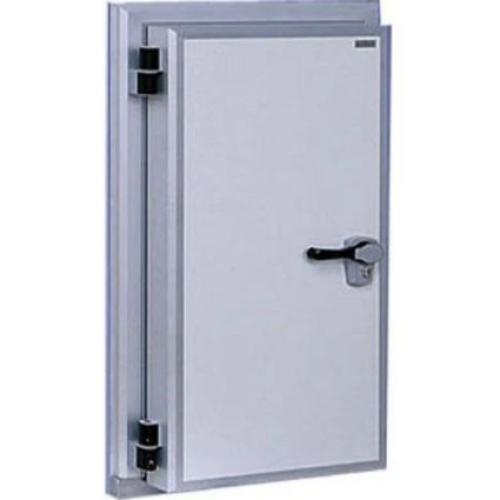
Cold Storage Door Hardware
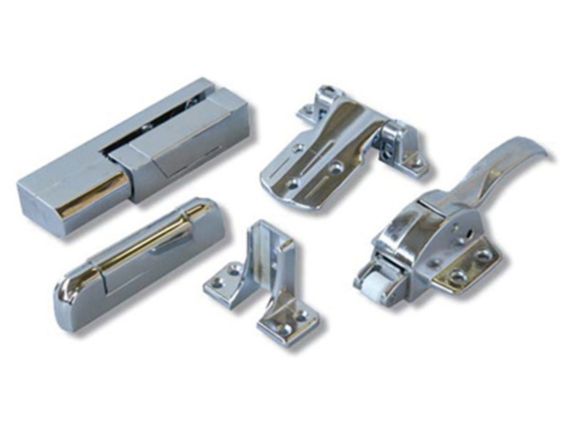
Cold storage door components are the core elements ensuring the airtightness, thermal insulation performance, and operational safety of cold storage facilities. They primarily encompass three major categories: sealing systems (such as low-temperature resistant sealing strips and anti-freeze electric heating strips), hardware transmission systems (including heavy-duty hinges, guide rails, pulleys, and drive motors), and safety devices (such as internal emergency escape locks). These components are typically manufactured from corrosion-resistant, low-temperature-tolerant materials such as stainless steel or specialised engineering plastics. They must function in concert to ensure the door seals tightly and operates smoothly under extreme temperature differentials. This not only effectively prevents cold air loss and door frame freezing to reduce energy consumption but also safeguards personnel through mandatory internal escape mechanisms. These components directly determine the service life and operational efficiency of the cold storage facility.
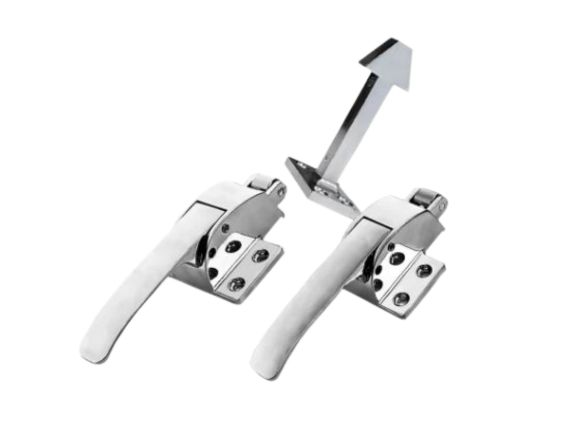
Exceptional low-temperature resistance
Specialised Materials: Sealing strips are typically crafted from ethylene propylene diene monomer (EPDM) rubber or specialised silicone, maintaining excellent elasticity and flexibility even at temperatures as low as -40°C or below.
Metal Components:
Metal parts such as hinges, guide rails, and locks are manufactured from low-temperature-resistant alloys or undergo special heat treatment to prevent fracture in cold conditions.
Plastic Components:
Components like pulleys and handles utilise engineering plastics including nylon (PA) and polyoxymethylene (POM), which retain mechanical strength and toughness at low temperatures.
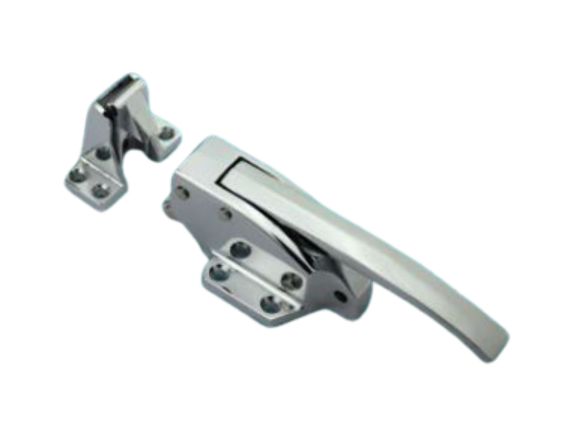
Superior sealing and freeze protection
High-efficiency sealing strips: Not only are the materials resistant to low temperatures, but their structural design (such as dual air chambers and multi-cavity configurations) is specifically engineered to form a tight seal with the door frame, completely eliminating air convection.
Anti-freeze electric heating system: For low-temperature storage (-18°C and below), electric heating wires (or heating strips) embedded within the door frame and threshold are standard equipment. This gently warms contact surfaces, preventing the seal from freezing to the frame due to condensation ice formation. This ensures the door can be opened smoothly at any time while maintaining its seal.
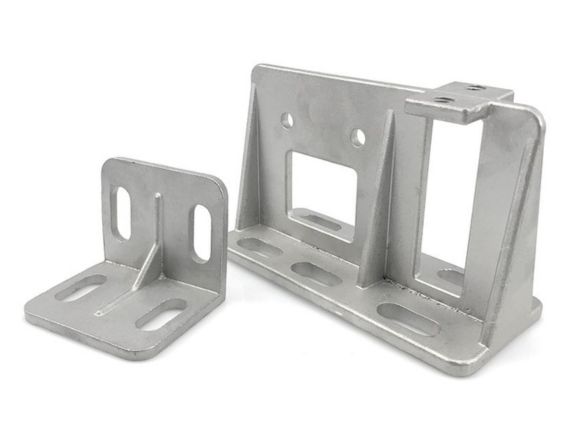
Absolute security
Internal escape device (safety lock): Regardless of how the door is locked externally (even if secured with a padlock), personnel inside the chamber must be able to open the door effortlessly via a simple, clearly marked device (such as a push bar or illuminated handle). This constitutes a vital lifeline preventing accidental entrapment within the chamber.
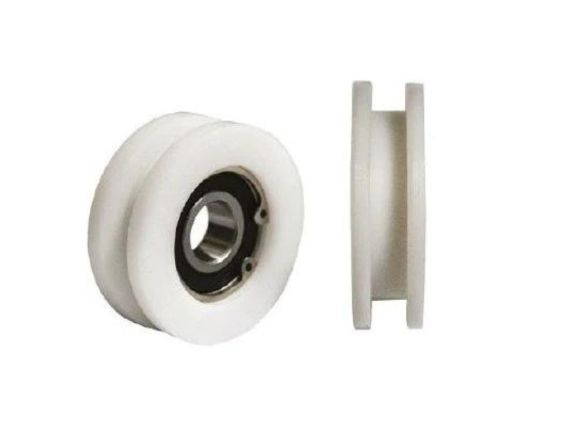
High strength and high durability
Heavy-duty load-bearing design: Hinges, guide rails, pulleys and other components feature reinforced construction, capable of sustaining hundreds of kilograms or heavier door weights over extended periods without deformation or sagging.
Wear-resistant materials: Frequently moving parts such as pulleys and guide rails utilise high-wear-resistance materials, complemented by precision bearings to ensure sustained smooth operation and low noise levels throughout prolonged service.
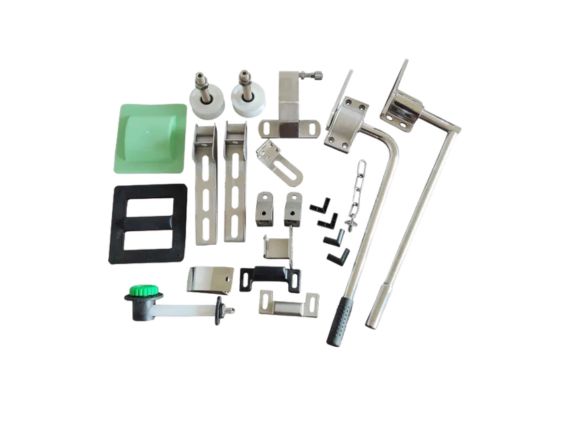
· PrFood processing workshops
· Cold stores and freezer rooms
· Cold chain logistics centres and distribution warehouses
· Pharmaceutical factories and cleanrooms
· Biological laboratories and sample repositories
· Flower preservation chambers
· Low-temperature storage for
Comprehensive Guide to Cold Storage Door Hardware: FAQ
Part 1: Material Selection and Durability
1. What are the best materials for cold storage door hardware to prevent corrosion?
The environment inside and around cold storage is notoriously harsh due to condensation and frequent cleaning with chemical agents.
-
Stainless Steel (Grade 304 or 316): This is the industry gold standard. Grade 304 is sufficient for most food storage applications, offering excellent resistance to rust and oxidation. Grade 316 is recommended for highly acidic environments (like brine freezing) or coastal facilities due to its molybdenum content.
-
Chrome-Plated Zinc Die-Cast: A more cost-effective option often used for standard walk-in coolers. While durable, the plating can eventually chip, leading to oxidation. It is generally not recommended for deep freezers or wet-processing areas.
-
Composite/Polymer: High-density plastics are increasingly used for handles and smaller components because they do not conduct heat (reducing condensation) and cannot rust.
2. How does extreme cold affect the performance of standard door hardware?
3. What is the expected lifespan of heavy-duty cold storage hinges and latches?
The lifespan varies based on usage frequency (cycles per day) and maintenance.
-
High-Traffic Industrial Doors: In facilities with forklifts and constant opening (100+ cycles/day), hardware typically lasts 3 to 5 years before requiring significant refurbishment or replacement of wearing parts (cams, springs).
-
Standard Walk-Ins: For restaurant or light commercial use, high-quality stainless steel hardware can last 10 to 15 years.
-
Premature Failure: This is almost always caused by door misalignment (putting stress on the hinge) or aggressive chemical cleaning that strips protective coatings.
4. Can I use standard exterior door hardware for a walk-in cooler?
No. This is a critical error. Standard exterior hardware lacks three essential features:
-
Thermal Break: Standard metal handles act as a thermal bridge, conducting cold from the inside to the outside, leading to sweating (condensation) and dripping on the floor, which is a slip hazard.
-
Safety Release: Standard deadbolts do not have an internal safety release mechanism. If a worker is locked inside a sound-insulated, airtight freezer, it is a life-threatening situation.
-
Adjustability: Cold storage doors are heavy and gaskets compress over time; specialized hinges allow for 3-axis adjustments to maintain an airtight seal.
Part 2: Safety Mechanisms and Compliance
5. What is an "Inside Safety Release" and is it mandatory?
6. Why do some safety releases glow in the dark?
7. How do I secure a cold storage unit without compromising safety?
Part 3: Hinges and Door Movement
8. What is a "Cam-Lift" hinge and why is it used?
A Cam-Lift hinge is a specific type of hinge designed to physically lift the door as it swings open.
-
The Problem: Cold storage doors have heavy rubber gaskets at the bottom to seal against the floor. If the door simply swung open, the rubber would drag against the floor, wearing it out quickly and making the door hard to open.
-
The Solution: The Cam-Lift hinge uses a sloped internal cam. As you open the door, it rises (usually 1/2" to 3/4"), lifting the sweep gasket off the floor. When the door closes, gravity pulls it down the cam, compressing the gasket tightly against the floor for a perfect seal.
9. My heavy freezer door is sagging. Do I need to replace the hinges?
10. What is the maximum load capacity for cold storage hinges?
This varies significantly by model.
-
Standard Reach-in Hinges: Rated for 30–50 kg (66–110 lbs).
-
Walk-in Door Hinges: Rated for 70–100 kg (150–220 lbs).
-
Industrial Heavy-Duty Hinges: Can support doors weighing 250kg+ (550 lbs+).
-
Note: Always check the "strap length" of the hinge. Longer straps distribute the weight across more surface area of the door, allowing for higher load capacities and preventing the screws from tearing out of the door panel.
11. What hardware is required for sliding cold storage doors versus swing doors?
Sliding doors require a completely different hardware ecosystem:
-
Track and Roller System: An overhead rail (usually aluminum or stainless steel) with heavy-duty nylon rollers.
-
Drop-Down System: Similar to the cam-lift hinge, sliding doors often have a "drop-down" track indentation. When the door slides to the closed position, the wheels drop into a divot, pressing the door down and in against the frame for a tight seal.
-
Leading Edge Guides: Floor guides to keep the door form swinging outward while moving.
Part 4: Sealing and Thermal Management
12. Why is my freezer door difficult to open immediately after closing it?
-
The Hardware Solution: You need a Pressure Relief Port (or Pressure Equalization Valve). This is a small, heated vent installed in the wall or door section that allows a small amount of air to pass through, equalizing the pressure and allowing the door to open easily.
13. How do I know when to replace the door gaskets?
The gasket is the most critical component for energy efficiency. Replace it if:
-
Visible Damage: Cracks, tears, or brittleness.
-
The "Dollar Bill" Test: Close the door on a dollar bill (or piece of paper). If you can pull it out easily without resistance, the seal is failed.
-
Ice Buildup: If you see frost or ice forming on the inside perimeter of the door, warm air is leaking in.
-
Hardness: If the rubber has lost its elasticity and feels like hard plastic, it can no longer form a seal.
14. What is the function of the heater wire in the door frame?
15. Can I retrofit a heater wire if my door doesn't have one?
Part 5: Installation and Troubleshooting
16. How do I maintain cold storage hardware to prevent failure?
A preventative maintenance schedule should be performed quarterly:
-
Lubrication: Apply low-temperature silicone grease or lithium grease to hinge cams and roller bearings. Never use standard WD-40, as it can freeze and gum up.
-
Tightening: Check all mounting screws. The vibration of slamming doors loosens screws over time.
-
Gasket Cleaning: Wipe gaskets with mild soap and water to remove animal fats or acidic food residues that degrade the rubber.
-
Safety Check: Test the inside safety release to ensure it moves freely and disengages the lock.
17. What is the difference between "flat" and "offset" strikes?
This refers to the latch installation and the relation between the door and the jamb.
-
Flush (Flat) Strike: Used when the door face is flush (level) with the door frame.
-
Offset Strike: Used when the door overlaps the frame (common in walk-ins). The "offset" is the distance the door protrudes from the frame. You must measure this accurately (e.g., 1-1/8" offset) to buy the correct latch, otherwise, the latch tongue will not catch the strike plate.
18. Why is the door closer (hydraulic or spring) important for cold storage?
19. Can I install electrical hardware (like heated ports) myself?
While mechanical hardware (latches/hinges) can be installed by general maintenance staff, components involving electricity—such as Heated Pressure Relief Ports or Frame Heater Wires—should be installed by a qualified electrician or refrigeration technician. Improper installation can lead to short circuits due to the high-moisture environment, posing a fire or shock hazard.
20. What certifications should I look for when buying cold storage hardware?
To ensure quality and safety, look for:
-
NSF (National Sanitation Foundation): Indicates the hardware is easy to clean and safe for food environments (e.g., no toxic materials, smooth surfaces).
-
UL (Underwriters Laboratories): Essential for any electrical components (heaters, relief ports).
-
CE (Conformité Européenne): Required if operating in or importing from Europe.
-
Cycle Testing Ratings: Look for manufacturers who publish cycle test results (e.g., "Tested to 500,000 cycles").
| Модель | V-X20 | V-X20 |
| Диапазон | 0.1-30 mm | 0~1.19 in |
| Вес | 2000 kg | 4409 lb |
| Размеры | 2600*2000*2150 mm | 102.36*78.74*84.64 in |
| Мощность | 23.67 kw | 31.74 hp |
| Производительность обработки | 200-300 kg/h | 441-661 lb/h |