

Frozen food has become a staple in modern supply chains. From ready meals and vegetables to seafood and pharmaceuticals, the demand for reliable cold storage continues to grow. Behind every frozen product on a supermarket shelf lies a carefully managed system designed to preserve quality, extend shelf life, and maintain safety standards. Cold storage warehouses play a central role in this process.
Unlike conventional warehouses, facilities handling frozen goods must operate under strict environmental conditions. Temperatures often drop below -18°C (0°F), and even slight fluctuations can compromise product integrity. Designing and maintaining such environments requires more than just installing refrigeration units—it involves strategic planning, specialized materials, and continuous monitoring.
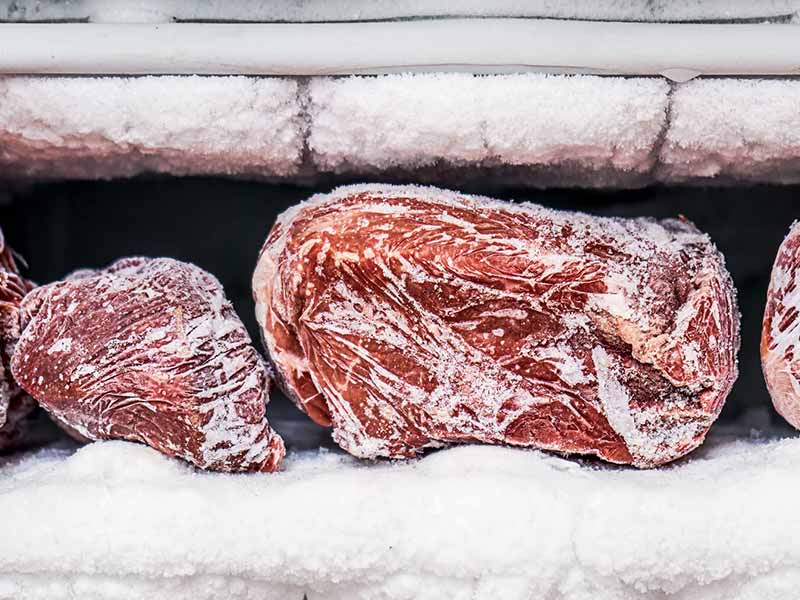
Understanding Cold Storage Requirements
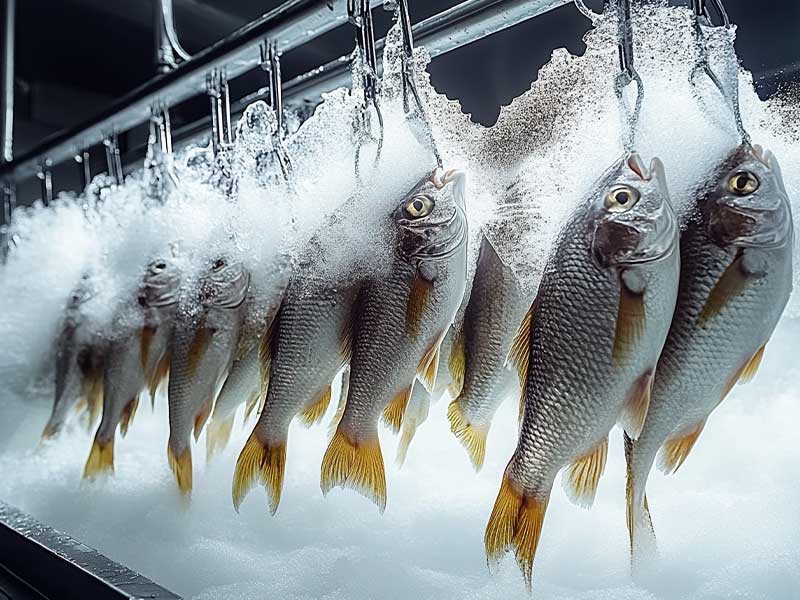
The importance of a cold storage facility lies in maintaining a constant temperature, but different foods have different freezing requirements.. For example:
-
Ice cream typically requires storage below -25°C to maintain texture
-
Frozen vegetables are usually stored at -18°C
-
Meat and seafood often demand stricter temperature stability to prevent spoilage
Maintaining this temperature is not as simple as just setting a thermostat. External weather conditions, foot traffic in the warehouse, door openings, and the thermal load of equipment all affect the internal temperature. Therefore, a reliable system must take these factors into account and be able to respond in real time. At the same time, humidity control is another factor that is often overlooked. Excessive humidity can lead to frost buildup, which not only impairs visibility but also reduces equipment efficiency. On the other hand, an overly dry environment can affect packaging and product quality.
Warehouse Design and Layout
The design of a cold storage warehouse begins with the layout. The goal is to minimize temperature loss while ensuring smooth operational processes.
Zoning the Facility
Most modern cold storage warehouses are divided into zones:
-
Receiving Area: Where goods arrive and are quickly transferred to cold environments
-
Blast Freezing Zone: Used for rapidly freezing products before storage
-
Storage Area: Long-term holding at stable temperatures
-
Dispatch Area: Where orders are assembled and prepared for shipment
Separating these areas helps reduce temperature fluctuations. For example, installing air curtains can prevent warm air from entering the storage area.
Racking Systems
To maximize the use of space in storage systems without restricting airflow, high-density racking is commonly used; however, it is essential to ensure that cold air circulates evenly. Poor airflow can lead to the buildup of heat, which in turn can cause uneven freezing or thawing. As a result, automated storage and retrieval systems (AS/RS) are becoming increasingly popular in large warehouses. These systems reduce workers’ exposure to extremely cold environments while improving efficiency and accuracy.
Insulation and Building Materials
Insulation is one of the most critical elements in cold storage design. Without proper insulation, even the most advanced refrigeration systems will struggle to maintain the desired temperature.
Types of Insulation
Common materials include:
-
Polyurethane (PU) panels: Known for excellent thermal resistance
-
Polystyrene (EPS): Cost-effective but less efficient than PU
-
Vacuum insulated panels (VIPs): High performance, used in specialized areas
All surfaces—including walls, ceilings, and floors—must be insulated. Particular attention must be paid to the floor to prevent frost heave—that is, the expansion of frozen soil that can damage the structure.
Vapor Barriers
The purpose of a vapor barrier is to prevent moisture from entering the insulation layer. Without this protection, condensation can reduce the insulation’s effectiveness and, over time, lead to structural damage.
Refrigeration Systems
Refrigeration is at the heart of any cold storage facility. It is essential to choose a reliable, long-lasting system that can maintain low temperatures while conserving energy.
Common Refrigeration Technologies
-
Ammonia-based systems: Widely used in large facilities due to efficiency
-
Freon-based systems: More common in smaller operations
-
CO₂ systems: Gaining popularity for environmental reasons
Each system has its advantages and trade-offs. Ammonia.
Air Circulation
Refrigeration isn’t just about generating cold air—it’s also about distributing it effectively. Therefore, it’s important to choose the right locations for fans and evaporators to ensure that cold air reaches every corner of the warehouse. Poor air circulation can lead to uneven temperature distribution, which may damage stored goods.
Energy Efficiency Considerations
Cold storage warehouses are among the most energy-intensive facilities in the logistics sector. Energy costs can account for a significant portion of operating expenses, making efficiency a top priority.
Strategies for Reducing Energy Consumption
-
High-performance insulation: Reduces heat gain
-
LED lighting: Generates less heat compared to traditional lighting
-
Variable speed drives (VSDs): Adjust motor speed based on demand
-
Door management systems: Minimize the time doors remain open
In addition, energy monitoring systems allow operators to track usage patterns and identify areas for improvement.
Automation and Technology Integration
Technology is reshaping how cold storage warehouses operate. Automation not only improves efficiency but also enhances safety by reducing human exposure to extreme conditions.
Warehouse Management Systems (WMS)
A WMS helps track inventory, manage orders, and optimize storage space. In cold storage environments, it can also monitor temperature conditions and trigger alerts if deviations occur.
Internet of Things (IoT)
Sensors placed throughout the warehouse provide real-time data on temperature, humidity, and equipment performance. This data enables predictive maintenance, reducing downtime and preventing costly failures.
Robotics
Automated guided vehicles (AGVs) and robotic arms are increasingly used for material handling. These systems operate efficiently in low temperatures and help maintain consistent workflows.
Food Safety and Compliance
Cold storage warehouses must adhere to strict food safety regulations. These standards ensure that products remain safe for consumption throughout their storage period.
Key Compliance Standards
-
HACCP (Hazard Analysis and Critical Control Points)
-
ISO 22000 Food Safety Management
-
FDA and EU food safety regulations
Regular inspections, temperature logging, and proper documentation are essential. Even minor deviations can lead to product recalls or regulatory penalties.
Challenges in Cold Storage Operations
Operating a frozen food warehouse comes with unique challenges.
Temperature Fluctuations
Frequent door openings, equipment malfunctions, or power outages can cause temperature spikes. Backup systems and contingency plans are necessary to mitigate these risks.
Ice and Frost Buildup
Frost can accumulate on floors, walls, and equipment, creating safety hazards and reducing efficiency. Proper defrosting systems and humidity control are essential.
Workforce Management
Working in sub-zero environments is physically demanding. Facilities must provide appropriate protective gear and limit exposure times to ensure worker safety.
Maintenance and Reliability
A cold storage warehouse is only as reliable as its maintenance program. Regular inspections and servicing are crucial to prevent unexpected failures.
Preventive Maintenance
Scheduled checks on compressors, evaporators, and insulation help identify issues early. This approach reduces downtime and extends equipment lifespan.
Emergency Preparedness
Backup generators and redundant systems ensure that operations continue during power outages. Emergency protocols should be clearly defined and regularly tested.
Sustainability in Cold Storage
Sustainability is becoming a key focus in warehouse design and operation. Energy consumption, refrigerant choice, and waste management all contribute to environmental impact.
Green Initiatives
-
Use of natural refrigerants like CO₂
-
Solar panels to offset energy usage
-
Heat recovery systems to reuse waste heat
These measures not only reduce environmental impact but can also lower operating costs over time.
Future Trends
The cold storage industry is evolving rapidly, driven by technology and changing consumer demands.
Increased Demand for Automation
As labor shortages persist, automation will continue to play a larger role. Fully automated cold storage facilities are already in operation in some regions.
Data-Driven Decision Making
Advanced analytics will enable operators to optimize energy use, predict maintenance needs, and improve overall efficiency.
Expansion of Cold Chain Networks
With the growth of e-commerce and global food trade, cold storage capacity is expanding worldwide. This trend will drive further innovation in design and technology.
Conclusion
Frozen food cold storage facilities integrate engineering, logistics, and food safety. From insulation and thermal protection to refrigeration systems, automation, and compliance management, every aspect must work in close coordination to maintain a stable environment. A well-designed cold storage facility not only preserves food but also supports the entire supply chain, ensuring that products reach consumers in optimal condition.
Post time:Sep-25-2020
