

When it comes to running a business that depends on cold storage, understanding the costs associated with refrigeration equipment is critical. From supermarkets and restaurants to warehouses and cold storage facilities, refrigeration equipment plays a central role in maintaining the quality and safety of perishable goods. However, the costs involved in procuring and maintaining refrigeration systems can be complex and vary significantly depending on multiple factors.
In this blog, we will break down the costs of refrigeration equipment, focusing on types of equipment, initial purchase costs, installation fees, maintenance expenses, energy consumption, and repair costs. By the end of this guide, you will have a clearer understanding of the total cost of ownership (TCO) for refrigeration systems and how to budget effectively for both small and large-scale operations.
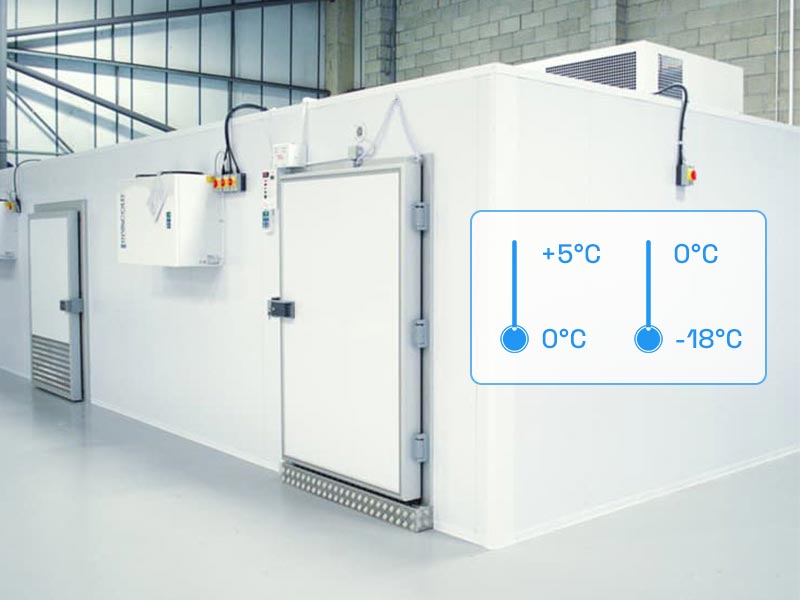
Types of Refrigeration Equipment
Refrigeration equipment is not a one-size-fits-all solution. The type of refrigeration system you choose will largely depend on your needs, space, and the items you're storing. Here are the main types of refrigeration equipment commonly used in commercial and industrial settings:
-
Walk-In Coolers and Freezers
These are large, standalone refrigeration units used in restaurants, grocery stores, and warehouses. They are ideal for businesses that need to store a significant amount of food or other temperature-sensitive products.Cost Breakdown:
-
Initial Cost: $5,000 – $20,000
-
Maintenance Cost: $500 – $1,500 per year
-
Energy Cost: $1,200 – $4,000 per year
-
-
Display Refrigerators (Commercial Refrigerators)
Display refrigerators are typically used in grocery stores and cafes. They are designed for visibility, allowing customers to see and access products like beverages, dairy, and deli items.Cost Breakdown:
-
Initial Cost: $1,000 – $6,000
-
Maintenance Cost: $300 – $800 per year
-
Energy Cost: $800 – $2,000 per year
-
-
Reach-In Coolers and Freezers
These are smaller, door-access refrigerators commonly used in kitchens, bars, and small grocery stores. They are perfect for businesses with limited space.Cost Breakdown:
-
Initial Cost: $1,500 – $4,500
-
Maintenance Cost: $400 – $1,000 per year
-
Energy Cost: $500 – $1,500 per year
-
-
Refrigeration Units for Cold Storage Rooms
Cold storage rooms, also known as cold storage warehouses, are large-scale cooling systems for bulk storage. They are used to store large quantities of products like frozen foods or pharmaceuticals.Cost Breakdown:
-
Initial Cost: $15,000 – $100,000
-
Maintenance Cost: $1,000 – $5,000 per year
-
Energy Cost: $10,000 – $50,000 per year
-
-
Ice Makers
Ice makers are essential in establishments like bars, restaurants, and hospitals where ice is in constant demand.Cost Breakdown:
-
Initial Cost: $1,000 – $7,000
-
Maintenance Cost: $300 – $1,000 per year
-
Energy Cost: $500 – $1,500 per year
-
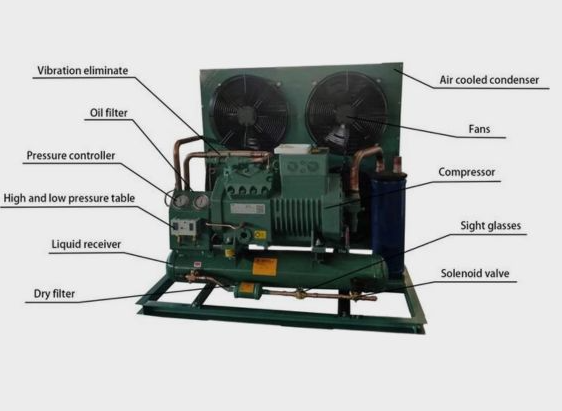
Factors Affecting the Cost of Refrigeration Equipment
Several factors contribute to the total cost of refrigeration systems. Understanding these factors can help you make an informed decision when purchasing and maintaining refrigeration equipment.
1. Size and Capacity
The size and storage capacity of your refrigeration unit directly impact its price. Larger systems, especially walk-in coolers and freezers, cost more due to the larger space they occupy and their higher storage capacity. Similarly, cold storage rooms can range widely in price based on their scale and purpose.
2. Energy Efficiency
Energy-efficient refrigeration units can reduce operating costs over time. Modern systems are designed to use less power, helping businesses save on energy bills. The energy efficiency of a unit will affect both initial costs and ongoing costs.
3. Brand and Model
Well-known brands or high-end models tend to have higher initial costs but may offer better reliability, longer lifespan, and more advanced features, such as smart temperature control or remote monitoring.
4. Location and Installation
The cost of installation can vary depending on your location, the complexity of the system, and whether any modifications to your existing space are required. For example, installing a large walk-in cooler may require additional modifications to your facility, which can increase costs.
5. Maintenance and Repairs
Refrigeration systems require regular maintenance to ensure their optimal performance and extend their lifespan. Maintenance costs can range from minor repairs to full replacements of key components like compressors or condensers. Preventive maintenance contracts can also be arranged to keep these costs predictable.
6. Warranty and Support
Most commercial refrigeration systems come with a manufacturer’s warranty that covers parts and labor for a certain period. Longer warranties or extended service plans can add to the upfront cost but can provide significant savings if repair needs arise.
Breakdown of Refrigeration Equipment Costs
To give you a clearer view of the total costs, we’ve compiled a table showing a general cost breakdown of different types of refrigeration equipment. The table below shows typical costs for purchase, installation, and annual maintenance.
| Equipment Type | Initial Purchase Cost | Installation Cost | Maintenance Cost (Annual) | Energy Consumption (Annual) |
|---|---|---|---|---|
| Walk-In Coolers & Freezers | $5,000 – $20,000 | $1,500 – $5,000 | $500 – $1,500 | $1,200 – $4,000 |
| Display Refrigerators | $1,000 – $6,000 | $500 – $2,000 | $300 – $800 | $800 – $2,000 |
| Reach-In Coolers & Freezers | $1,500 – $4,500 | $400 – $1,200 | $400 – $1,000 | $500 – $1,500 |
| Cold Storage Rooms | $15,000 – $100,000 | $5,000 – $20,000 | $1,000 – $5,000 | $10,000 – $50,000 |
| Ice Makers | $1,000 – $7,000 | $200 – $1,000 | $300 – $1,000 | $500 – $1,500 |
Energy Efficiency and Environmental Impact
Energy costs are one of the most significant ongoing expenses associated with refrigeration equipment. With rising energy prices and an increasing focus on sustainability, energy-efficient refrigeration systems are becoming a priority for many businesses. In fact, upgrading to energy-efficient models can lower energy bills by 10-30% annually.
Additionally, many modern refrigeration systems are now designed with environmentally friendly refrigerants, which have a lower global warming potential (GWP) than older systems. This makes them not only more energy-efficient but also better for the environment.
How to Save on Refrigeration Equipment Costs
-
Choose Energy-Efficient Models
Investing in energy-efficient equipment may come with a higher upfront cost, but it can save you money in the long run by reducing energy consumption. -
Proper Maintenance
Regular maintenance, including cleaning coils, changing filters, and checking refrigerant levels, will help reduce the need for costly repairs and extend the lifespan of your system. -
Opt for Preventive Maintenance Plans
Consider purchasing a preventive maintenance plan that covers routine checks and repairs. These plans can help you avoid unexpected breakdowns and keep costs predictable. -
Shop Around for Quotes
Don’t settle for the first quote you receive. Compare prices from different suppliers and installation companies to find the best deal.
Frequently Asked Questions (FAQs)
1. How much does it cost to maintain refrigeration equipment annually?
Maintenance costs typically range from $300 to $1,500 per year, depending on the type of equipment and the frequency of maintenance required.
2. How can I reduce my energy consumption with refrigeration units?
To reduce energy consumption, invest in energy-efficient models, regularly clean and maintain the equipment, and consider installing timers or temperature controllers to optimize usage.
3. What are the benefits of using a walk-in freezer over a reach-in freezer?
Walk-in freezers offer much larger storage capacity, making them ideal for businesses with high-volume storage needs. They also allow for easier organization of products.
4. How long do refrigeration systems typically last?
With proper maintenance, refrigeration systems can last anywhere from 10 to 20 years, depending on the type and usage.
5. Are there any government incentives for installing energy-efficient refrigeration systems?
Yes, some governments offer rebates or tax credits for businesses that install energy-efficient refrigeration systems. Check with local authorities for specific programs available in your area.
Conclusion
Understanding the cost breakdown of refrigeration equipment is crucial for businesses looking to invest in these systems. By knowing what factors affect the price and how to maintain and operate the equipment efficiently, you can make more informed decisions and budget effectively. Whether you're upgrading existing equipment or purchasing new systems, this guide provides the tools and insights needed to navigate the complex world of refrigeration costs.
Post time:Sep-25-2020
