Portable mobile cold storage
Description of the Cold Room
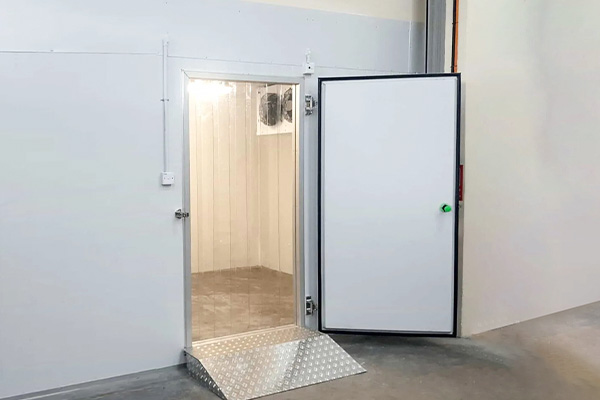
A cold storage chamber constitutes a specialised warehousing facility integrating high-efficiency thermal insulation structures with precision refrigeration technology. It employs high-density polyurethane sandwich panels to construct an airtight space that blocks external heat ingress, whilst utilising a mechanical refrigeration system (compressor, condenser, and evaporator) to continuously remove internal thermal loads. This creates and maintains a constant low-temperature environment (typically encompassing fresh-keeping or freezing temperature zones) and specific humidity conditions within the enclosed space. Its core purpose lies in employing physical cooling methods to inhibit microbial proliferation, reduce enzymatic activity, or slow biochemical reaction rates. This maximises the shelf life and economic value of heat-sensitive products such as foodstuffs, pharmaceuticals, and chemical raw materials, serving as critical infrastructure within modern cold chain logistics systems to safeguard product quality.
Core characteristics of Cold Room
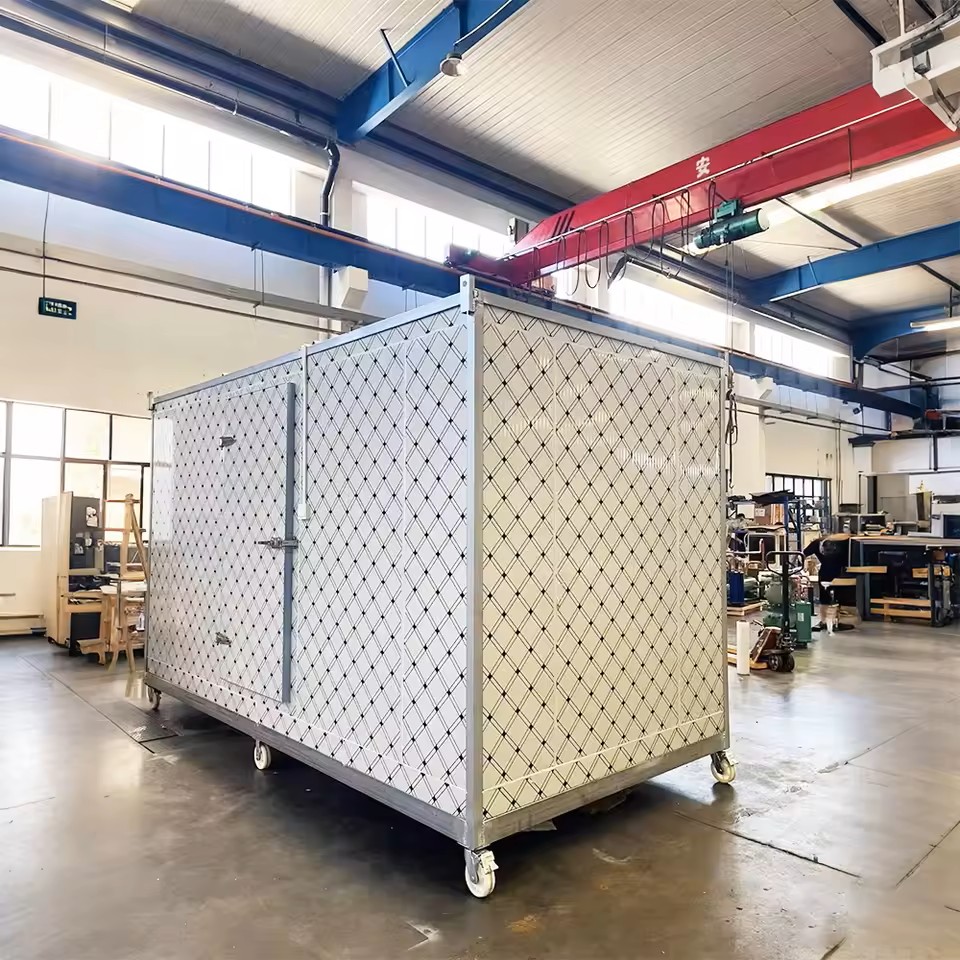
Structure of the storage facility and high-efficiency insulation
Polyurethane (PU) Sandwich Panels:
High-density Foaming: Premium cold storage panels employ high-pressure foaming technology, typically achieving densities between 40–42 kg/m³. This density ensures exceptionally low thermal conductivity, minimising cold loss to the greatest extent.
Fire Rating: Modern panels typically meet Class B1 (difficult to ignite) or Class B2 (combustible but flame-retardant treated) fire standards, complying with stringent building fire codes.
Panel Material Diversity: Surface materials vary by application: colour-coated steel (standard), 304 stainless steel (food/pharmaceutical grade), embossed aluminium (anti-slip flooring), or galvanised steel (corrosion-resistant).
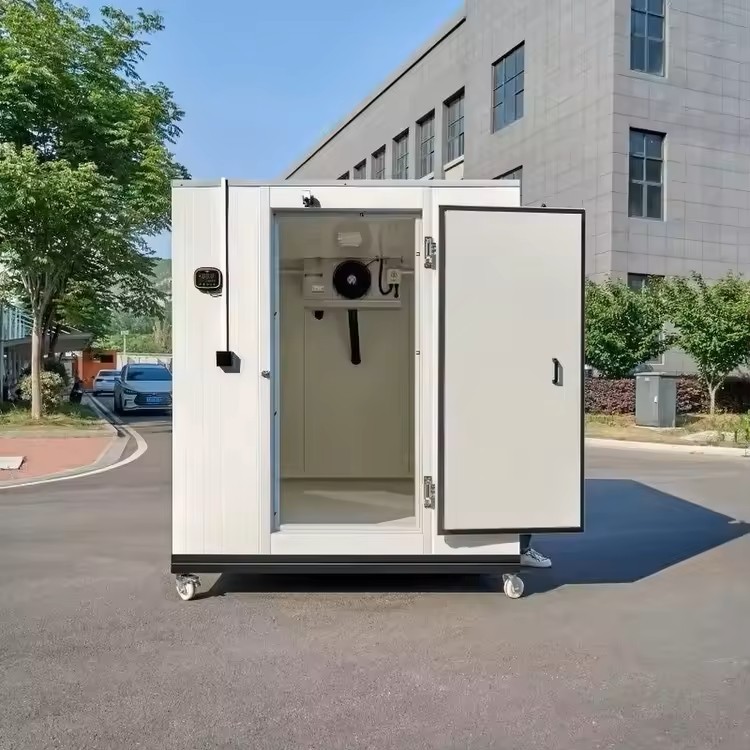
Professional access control and sealing systems
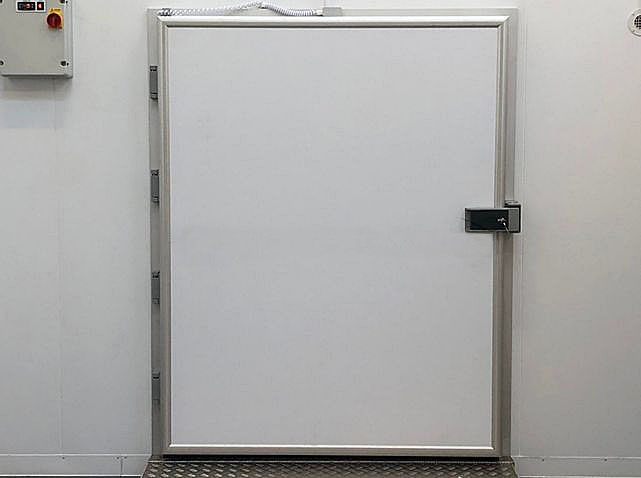
Cold storage doors are the most frequent points of cold air loss and therefore feature specialised design elements.
Anti-freeze heating elements: Electric heating wires are embedded around the door frame in low-temperature cold stores (below -18°C) to prevent the door seal from freezing and adhering to the frame, ensuring the door can be opened at any time.
Safety Release: All cold storage doors must incorporate an internal escape lock mechanism. Even if the door is locked from the outside, personnel inside can easily open it via a push bar or knob, preventing entrapment incidents.
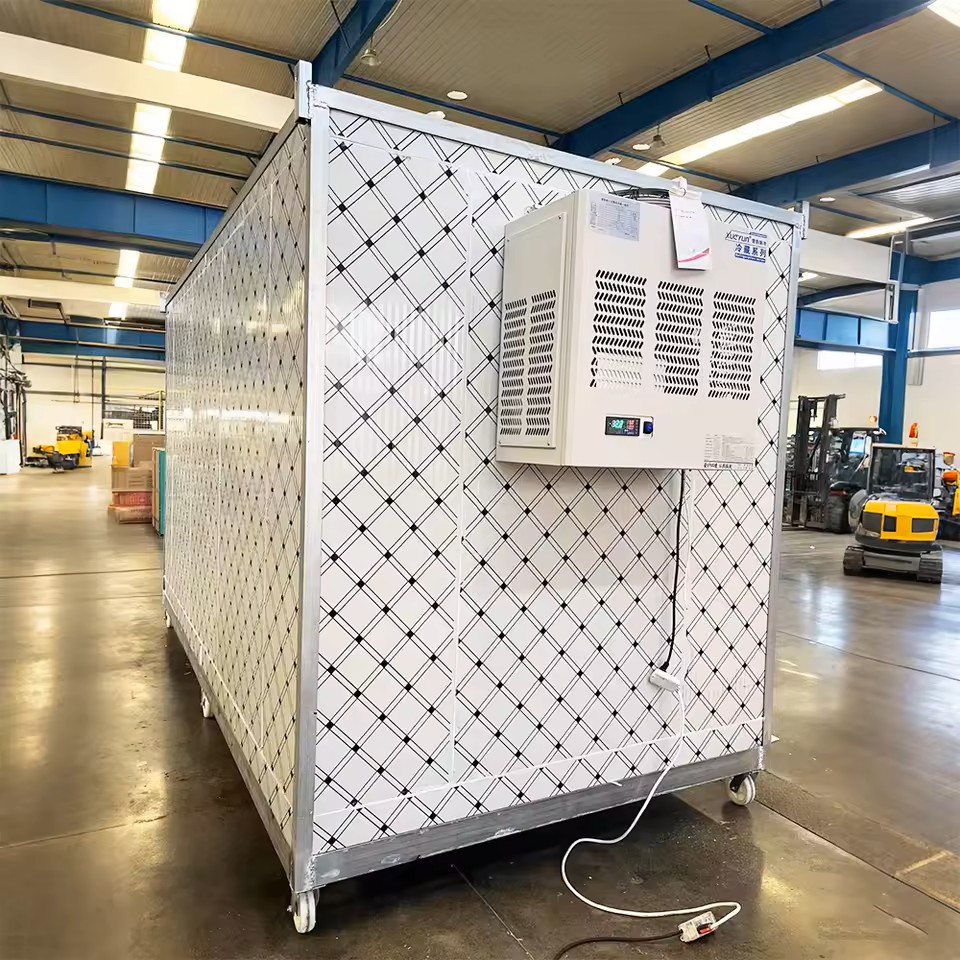
Powerful and precise cooling system
Unit Configuration:
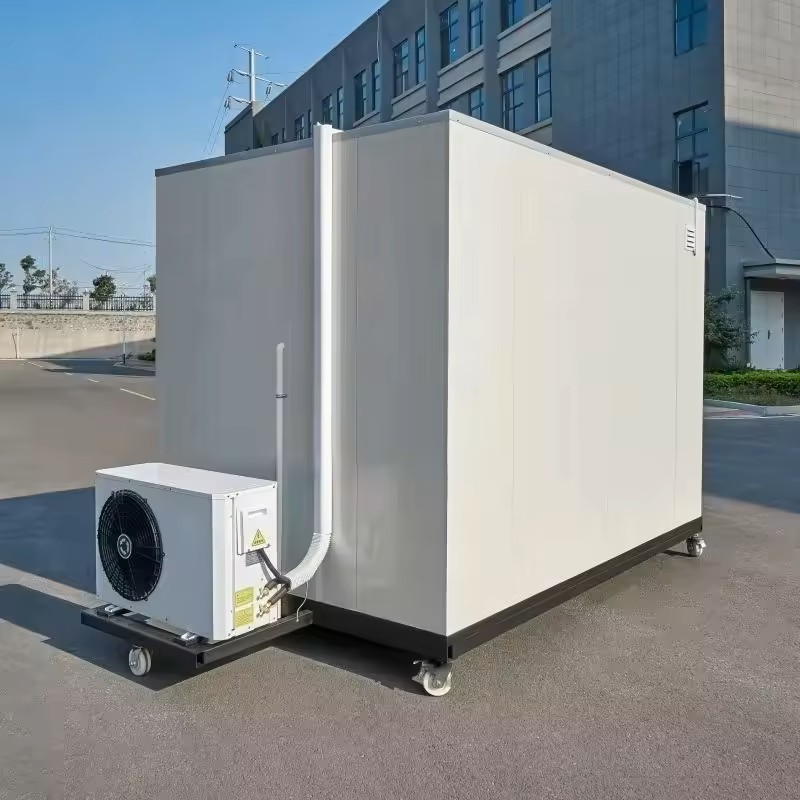
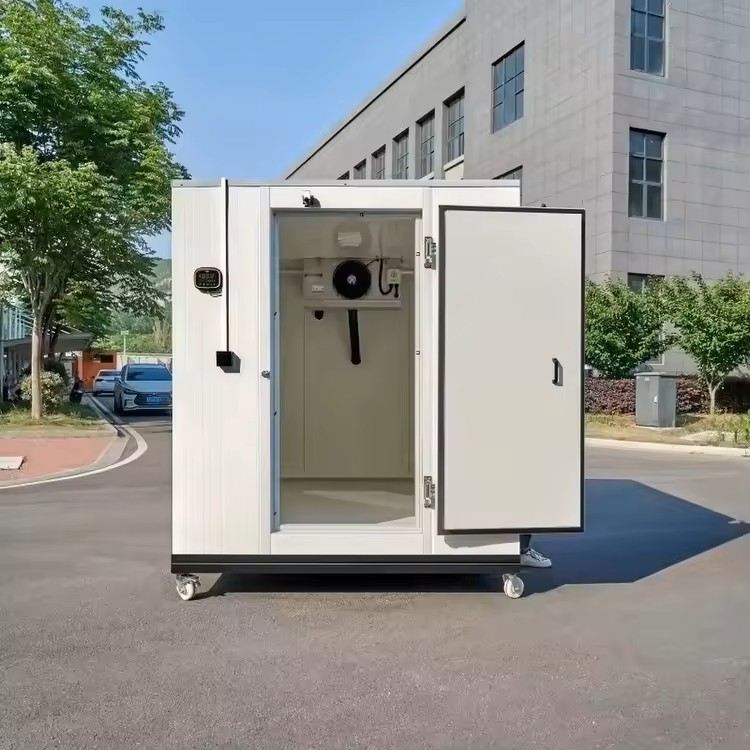
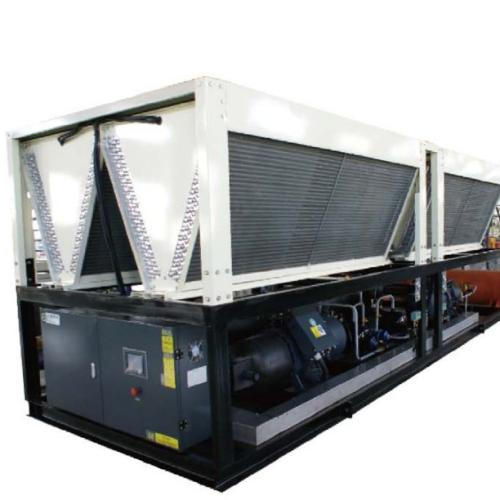
Monoblock: Compressor and evaporator integrated into a single unit for wall-mounted installation. Characterised by exceptionally straightforward installation requiring no copper pipework, suitable for small cold stores.
Split System: Compressor (outdoor) and evaporator (indoor) separated. Features low noise levels and superior heat dissipation, suitable for medium to large cold stores.
Compressor Technology:
Utilises scroll or semi-hermetic reciprocating compressors (e.g., Copeland, Bitzer), delivering high coefficient of performance (COP) and robust low-backpressure operation.
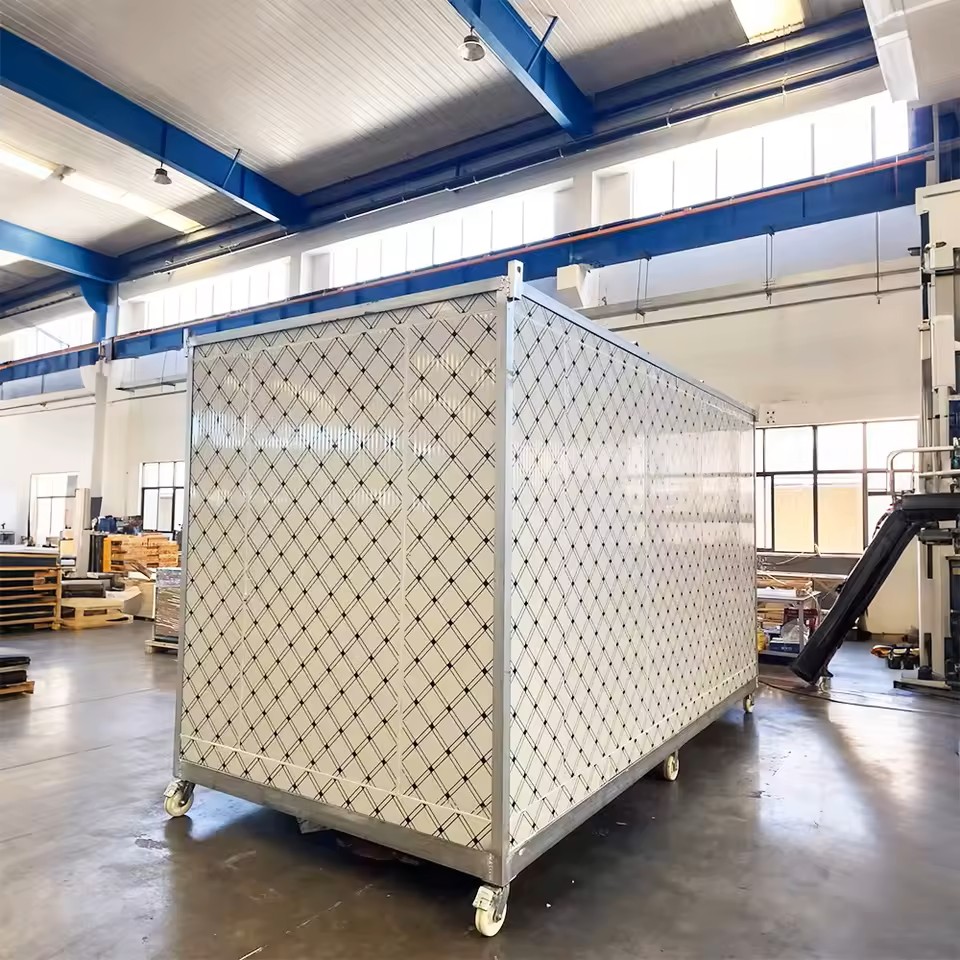
Intelligent Control and the Internet of Things
Modern refrigeration units no longer rely on simple thermostats but incorporate intelligent management features.
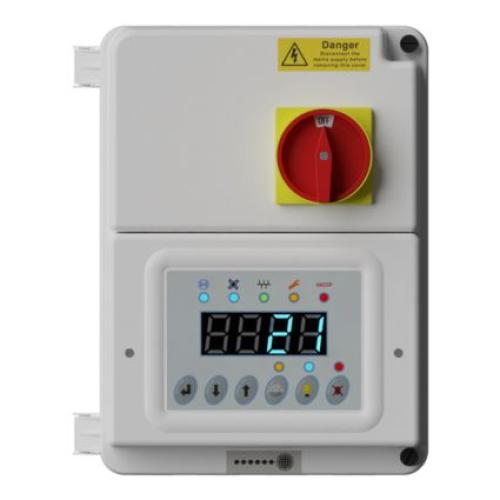
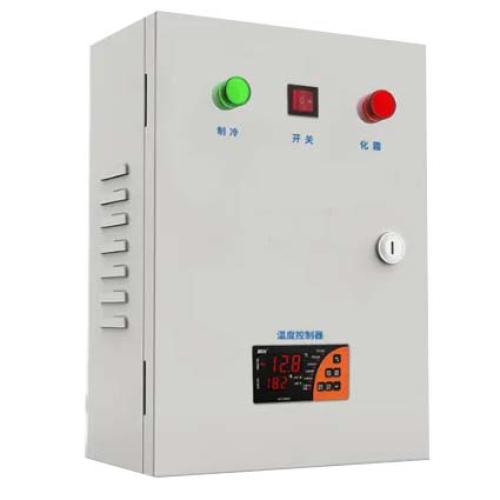
Microprocessor-controlled precision temperature regulation:
Utilising high-precision sensors, temperature control accuracy reaches ±0.1°C. The control system automatically adjusts compressor start/stop cycles or variable-frequency operation to maintain constant temperatures.
· PrFood processing workshops
· Cold stores and freezer rooms
· Cold chain logistics centres and distribution warehouses
· Pharmaceutical factories and cleanrooms
· Biological laboratories and sample repositories
· Flower preservation chambers
· Low-temperature storage for
| Product Type |
Portable Cold Storage Room |
|
Structure |
Assembled |
|
Usage |
Meat, Fish, Food, Fruit, Chicken, Vegetables |
|
Certification |
RoHS, ISO, CE |
|
Condition |
New |
|
Cold Room Panels |
PU Foam Core Sandwich Panel/PlR (Polyisocyanurate)Foam Core Sandwich Panel |
|
Surface Treatment |
Color Steel/Stainless Steel/Stucco Embossed Aluminum |
|
Floor |
PU Panel / Concrete with XPS / Checker Plate |
|
Refrigeration System |
New Generation Smart Cooling System |
|
Compressor |
Bitzer |
|
Evaporator |
Air Cooled (Ceiling Mounted, Floor Mounted) |
|
Energy Effciency |
Grade l |
|
Service Door |
Customized |
|
Product Name |
Movable Portable Cold Room for Food and Drug Trans |
|
Specification |
Customized |
Comprehensive FAQ: Cold Storage Rooms & Walk-in Freezers
Part 1: General Definitions & Types
1. What is the difference between a Cold Storage Room (Chiller) and a Freezer Room?
While both look structurally similar, the key difference lies in temperature range and application:
-
Chiller Room (Medium Temperature): Operates between 0°C and +5°C (32°F - 41°F). It is designed to preserve fresh products like vegetables, fruits, dairy, and beverages without freezing them. The goal is to slow down bacterial growth and enzymatic activity.
-
Freezer Room (Low Temperature): Operates between -18°C and -25°C (0°F - -13°F). It is designed to keep products frozen solid (meat, fish, ice cream). The refrigeration system requires more power, thicker insulation, and specific defrosting mechanisms compared to a chiller.
2. What is a "Blast Freezer" and how does it differ from a standard freezer?
A standard freezer is designed for holding already-frozen goods. A Blast Freezer (or Shock Freezer) is designed for processing.
-
Function: It uses high-velocity fans and powerful compressors to pull the temperature of fresh food down to -18°C core temperature extremely fast (usually within 4 to 6 hours).
-
Why use it? Rapid freezing creates "micro-crystals" inside the food cells. Slow freezing creates large jagged ice crystals that puncture cell walls, causing "drip loss" and mushy texture upon thawing. Blast freezing preserves the quality, texture, and nutritional value of the food.
3. What is a "CA" (Controlled Atmosphere) Cold Store?
A Controlled Atmosphere (CA) store is an advanced cold room typically used for long-term fruit storage (like apples, pears, or kiwis).
-
Mechanism: In addition to controlling temperature, a CA room tightly controls the gas composition of the air. It reduces Oxygen (O2) and increases Carbon Dioxide (CO2) and Nitrogen.
-
Benefit: This puts the fruit into a state of "hibernation," slowing down its respiration rate. This allows seasonal fruits to be stored for 6 to 9 months and sold year-round as if they were fresh.
4. Can I use a standard air conditioner (AC) to cool a small cold room?
No. This is a common mistake that leads to equipment failure.
-
Design Difference: Standard AC units are designed to cool air to roughly 18°C-22°C. They are not designed to handle the moisture load or the low temperatures of a cold room (0°C).
-
The Result: If you force an AC to run at 5°C, the evaporator coil will freeze up immediately because it lacks a defrost mechanism. Furthermore, the compressor is not designed for the pressure ratios required for refrigeration, leading to premature burnout.
Part 2: Structure & Insulation
5. Why are Polyurethane (PU) panels the industry standard for cold rooms?
Polyurethane is used because it offers the best strength-to-insulation ratio.
-
Thermal Efficiency: PU has an extremely low thermal conductivity (K-value roughly 0.022 W/mK), meaning it keeps heat out very effectively.
-
Structural Integrity: When "sandwiched" between steel sheets, high-density PU foam (40-42 kg/m³) becomes rigid enough to support the ceiling and walls without needing an external skeleton for small to medium rooms.
-
Hygiene: PU panels are moisture-resistant and do not rot or harbor mold, which is critical for food safety standards (HACCP).
6. How do I determine the correct panel thickness?
Thickness depends on the temperature difference between the inside of the room and the outside ambient air. General guidelines are:
-
Chiller Rooms (0°C to +5°C): Typically use 75mm or 100mm thick panels.
-
Freezer Rooms (-18°C to -25°C): Typically use 120mm or 150mm thick panels.
-
Blast Freezers (-40°C): Require 150mm or 200mm panels.Using panels that are too thin causes condensation on the outside walls ("sweating") and forces the compressor to run continuously, wasting electricity.
7. What is the "Cam-Lock" system and why is it important?
Cam-locks are eccentric hook mechanisms embedded inside the foam of the panels.
-
Assembly: During installation, an Allen key is used to turn the lock, pulling the male and female edges of two panels tightly together.
-
Importance: This creates a tight mechanical seal without relying solely on glue or screws. It prevents "thermal bridges" (gaps where heat enters) and allows the cold room to be disassembled and moved to a new location in the future, which makes the asset modular and reusable.
8. Does a cold room need a special floor?
-
Chiller Rooms: Often use the existing concrete floor if it is level, though an insulated floor is better for efficiency.
-
Freezer Rooms: Must have an insulated floor. If you build a freezer directly on concrete without insulation, the cold will penetrate downward, freezing the moisture in the soil below. This causes the ground to expand and heave (Frost Heave), which can crack the building's foundation and destroy the freezer floor.
-
Finish: The top surface usually uses checkered aluminum plates (anti-slip) or stainless steel for hygiene.
Part 3: Refrigeration System & Components
9. What is the difference between Monoblock and Split refrigeration units?
-
Monoblock (All-in-One): The compressor, condenser, and evaporator are built into a single compact unit that hangs through a hole in the wall.
-
Pros: Easiest to install (plug and play), no piping work needed.
-
Cons: Hot air is vented into the surrounding room (unless ducted), and they are generally limited to smaller capacities.
-
-
Split System: The condensing unit (noisy part) is placed outdoors, and the evaporator (cooling fan) is inside the room. Connected by copper piping.
-
Pros: Keeps noise and heat outside; supports much larger capacities and longer pipe runs.
-
Cons: Requires a certified technician to weld pipes and charge refrigerant.
-
10. How does the defrost system work, and why is it necessary?
Moisture in the air freezes onto the cold evaporator coils, forming ice. If this ice builds up, it blocks airflow, and the room gets warm.
-
Electric Defrost: Heater elements (like in a toaster) are embedded in the coil. The system pauses cooling, turns on heaters to melt the ice, and drains the water away. Common in freezers.
-
Air Defrost: In chiller rooms (above 2°C), the compressor stops, but the fans keep running. The room air melts the frost naturally.
-
Hot Gas Defrost: Hot refrigerant gas from the compressor is diverted backward through the evaporator. This is the fastest and most energy-efficient method but requires complex valving.
11. Why do cold storage doors have heater wires?
In freezer rooms, the temperature difference creates condensation around the door frame. This moisture can freeze, effectively welding the door shut.
-
Solution: A resistance heater wire is embedded in the door frame (or the door gasket). It keeps the perimeter just warm enough to prevent condensation and ice formation, ensuring the door can always be opened easily and the rubber seal doesn't tear.
12. What is a Pressure Relief Port (or Decompression Valve)?
When a freezer door is opened, warm air rushes in. When the door closes, that air cools down rapidly and shrinks (contracts).
-
The Physics: This contraction creates a vacuum inside the room. Without a relief port, the negative pressure can be so strong that you physically cannot pull the door open, or it might even collapse the ceiling panels inward.
-
The Valve: A small heated vent in the wall that equalizes the pressure automatically, allowing the door to open freely.
13. Which refrigerants are currently recommended given environmental regulations?
Old refrigerants like R22 are banned in most places.
-
Current Standard: R404A has been the standard for years but has a high Global Warming Potential (GWP) and is being phased out in Europe and parts of the US.
-
Modern Alternatives: R448A and R449A are popular, non-flammable replacements with lower GWP.
-
Future Proof: CO2 (R744) is becoming the standard for large industrial cold stores. It is natural, highly efficient, and future-proof against regulation, though the equipment is more expensive initially.
Part 4: Usage & Maintenance
14. How should I stack products inside the cold room?
Proper airflow is critical. The cold air must circulate around the products to remove heat.
-
The Rule: Never block the evaporator fans. Leave at least 30-50cm of clearance in front of the fans.
-
Pallets: Keep products on pallets or shelving, not directly on the floor.
-
Walls: Leave a 5-10cm gap between the product and the wall panels to allow air to "envelope" the cargo.
15. What is an "Air Curtain" and is it worth the cost?
An air curtain is a fan unit mounted above the door that shoots a high-velocity stream of air downward when the door opens.
-
Function: It creates an invisible barrier that prevents cold air from falling out and warm air/insects from flying in.
-
Worth it? Yes. If the door is opened frequently, an air curtain can pay for itself in energy savings within 1-2 years by reducing the load on the compressor.
16. Why is there ice building up on the floor or ceiling?
-
Ceiling Ice: Usually indicates an air leak in the roof panel joints or a lack of vapor barrier, allowing humid air to penetrate and freeze.
-
Floor Ice: Often caused by a damaged door seal (warm air enters at the bottom), or a blocked drain line. If the evaporator drain line heater fails, the water from the defrost cycle spills onto the floor and freezes.
17. How often should the cold room be serviced?
-
Quarterly (Every 3 months): Clean the condenser coils (outdoor unit) to ensure heat rejection. Check door seals for tears.
-
Semi-Annually: Check refrigerant levels (sight glass), oil levels, and electrical connections.
-
Annually: Thorough inspection of the evaporator fans, drain heaters, and calibration of the temperature sensors.
Part 5: Design & Energy Efficiency
18. What is "Pull-Down Time"?
Pull-down time is the duration required to lower the temperature of the products from their incoming temperature to the storage temperature.
-
Calculation: When sizing a unit, you must tell the engineer the "daily product turnover." Putting 10 tons of warm apples into a room requires a much larger compressor than holding 10 tons of already-cold apples.
-
Standard: A standard holding room is usually designed to handle a 10% daily product turnover with a pull-down time of 18-24 hours.
19. How can I reduce the electricity bill for my cold storage?
-
Door Management: This is the #1 energy loss. Install automatic door closers or strip curtains (PVC strips).
-
LED Lighting: Use LED lights specifically designed for cold rooms. Old incandescent bulbs add heat to the room, which the compressor then has to remove.
-
Night Blind/Covers: If open display cabinets are used inside, cover them at night.
-
Smart Defrost: Upgrade to a controller that defrosts "on demand" rather than on a fixed timer.
20. Can I monitor the cold room remotely?
Yes, this is highly recommended for food safety compliance.
-
IoT Solutions: Modern controllers (like Dixell XWEB or Carel Boss) connect to the internet.
-
Alerts: You can receive SMS or email alerts if the temperature rises above a set limit ("High Temp Alarm"), if the door is left open, or if the power goes out. This allows you to save the inventory before it spoils.
Portable Mobile Cold Storage FAQs
Portable mobile cold storage units have become indispensable across industries like food service, agriculture, pharmaceuticals, and event management, offering flexible, on-demand temperature-controlled storage solutions. Below are the most frequently asked questions about these units, covering their functionality, types, selection criteria, maintenance, and more.
1. What is portable mobile cold storage, and how does it differ from traditional cold storage?
Portable mobile cold storage refers to modular, transportable units designed to maintain precise temperature ranges for perishable goods, without the need for permanent installation or civil engineering work. Unlike traditional fixed cold storage warehouses— which are stationary, require long construction timelines, and lack flexibility— mobile units are prefabricated, can be moved to any location with minimal setup (often within 24-72 hours), and offer scalable storage capacity.
The core difference lies in mobility and adaptability. Traditional cold storage is a long-term investment tied to a single site, while portable units cater to temporary, seasonal, or mobile needs (e.g., construction sites, outdoor events, harvest seasons). Additionally, mobile units use advanced insulation materials (such as polyurethane foam) and efficient refrigeration systems to maintain temperature consistency even during transit, a feature not available in fixed storage.
2. What are the main types of portable mobile cold storage units?
Portable mobile cold storage units are categorized by their refrigeration technology, size, and application. The primary types include:
Compressor-based units: The most common and reliable type, using the same refrigeration technology as household fridges but optimized for mobility. They can maintain temperatures from -25°C (-13°F) to 10°C (50°F), making them suitable for both refrigeration and freezing needs. Compressor units are energy-efficient (consuming 1-3 amps per hour when used as a fridge) and perform well in extreme ambient temperatures, making them ideal for long trips, camping, and commercial use .
Thermoelectric units: Compact, quiet, and lightweight, these use solid-state heat pumps to transfer heat. They require no refrigerants or moving parts but have limited cooling capacity— typically only 15-20°C below ambient temperature. They are best for short trips, mild weather, and keeping beverages cool, as they cannot freeze food .
Absorption units: Less common, these use a chemical cycle (often with ammonia or propane) and can run on AC, DC, or gas power. They have no moving parts, making them durable, but cool slowly and unevenly. They are sensitive to tilting, so they are not ideal for rough terrain or mobile applications like off-road camping .
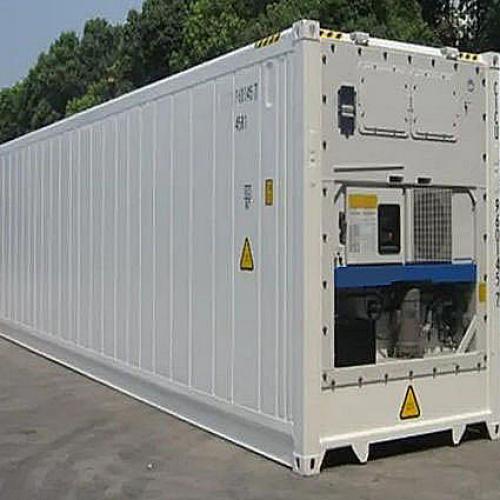
Containerized units: Built from modified shipping containers (20ft, 40ft, etc.), these are rugged, weather-resistant, and suitable for large-scale storage and long-distance transport. They often feature dual-temperature zones (保鲜+冷冻) and can be customized with sliding or hinged doors for easy access .
Solar-powered units: Eco-friendly options equipped with solar panels and batteries, ideal for off-grid locations like farms, fishing boats, or remote construction sites. They reduce operational costs and carbon footprint, with some models offering 4-year warranties .
3. What temperature ranges can portable mobile cold storage units maintain?
Temperature ranges vary by unit type and design, but most commercial portable mobile cold storage units offer flexible temperature control to suit different goods:
Refrigeration (保鲜): 0°C to 10°C (32°F to 50°F), suitable for fruits, vegetables, dairy products, and fresh produce.
Deep refrigeration (冷藏): -10°C to -18°C (14°F to 0°F), ideal for meat, seafood, and pre-cooked meals.
Freezing (冷冻): -20°C to -25°C (-4°F to -13°F) for long-term storage of frozen foods, ice cream, and medical supplies.
Custom low temperatures: Specialized units can be customized to maintain temperatures below -40°C (-40°F) for sensitive items like pharmaceuticals, biological samples, or specialty foods .
Compressor-based and containerized units offer the most precise temperature control, with fluctuations of less than ±1°C, ensuring food safety and product integrity. Thermoelectric units have wider temperature variations and are less suitable for temperature-sensitive goods.
4. What are the typical applications of portable mobile cold storage?
Portable mobile cold storage is versatile and used across multiple industries, including:
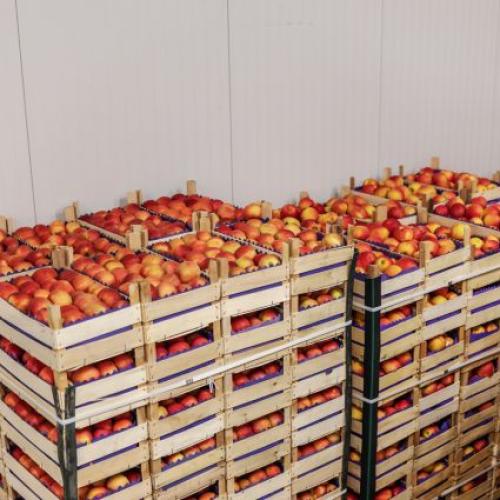
Agriculture: Storing harvested fruits, vegetables, and grains at farms or markets to extend shelf life. Solar-powered units are particularly popular for remote farms without access to grid power .
Food service and catering: Providing temporary storage for events, weddings, outdoor concerts, and food trucks, ensuring fresh ingredients and safe food handling.
Logistics and transportation: Transporting perishable goods (meat, seafood, dairy) across long distances, with containerized units maintaining temperature consistency during transit .
Pharmaceuticals and healthcare: Storing vaccines, medicines, and biological samples that require strict temperature control, especially in emergency situations or remote clinics.
Construction and mining: Supplying cold storage for worker meals and perishables at remote job sites.
Emergency response: Providing temporary cold storage during natural disasters, pandemics, or humanitarian crises to preserve food, water, and medical supplies .
Recreation: Camping, RV trips, and off-road adventures, where compressor-based units keep food and drinks fresh for extended periods .
5. How do I choose the right size of portable mobile cold storage?
The right size depends on your storage needs, available space, and mobility requirements. Consider the following factors:
Storage capacity: Calculate the volume of goods you need to store. Small units (10-50 cubic feet) are suitable for personal use, small businesses, or short trips (e.g., camping, food trucks). Medium units (50-200 cubic feet) work for catering events, small farms, or construction sites. Large containerized units (20ft/40ft, 300+ cubic feet) are ideal for logistics, wholesale markets, and large-scale agricultural storage .
Mobility: If you need to move the unit frequently (e.g., between job sites), choose a compact, wheeled model. For long-distance transport, containerized units are more durable and easier to haul.
Space constraints: Measure the area where the unit will be placed (e.g., event venues, farmyards) to ensure it fits. Some units come with customizable dimensions to adapt to tight spaces .
Future scalability: If your needs fluctuate seasonally (e.g., harvest seasons, holiday events), consider renting units or choosing modular designs that can be expanded.
As a general guideline, a 13-cubic-meter small unit can store 2-3 tons of goods, suitable for individual merchants or small farms. A 20ft containerized unit can hold 10-15 tons, making it ideal for medium-sized businesses .
6. What power sources are available for portable mobile cold storage units?
Portable mobile cold storage units are designed to be versatile in power supply, catering to both grid and off-grid scenarios:
AC power (grid electricity): Standard for stationary use (e.g., events, markets, warehouses). Most units operate on 110V/220V AC power, with energy-efficient models consuming 80 watts or less in eco-mode .
DC power (vehicle batteries): Common for mobile use (e.g., camping, road trips, food trucks). Compressor-based units often run on 12V/24V DC power, drawing 1-2 amps per hour— comparable to a car’s interior light .
Solar power: Solar panels paired with batteries provide off-grid functionality, ideal for remote locations. Solar-powered units reduce operational costs and are environmentally friendly, with some models offering continuous operation even in low sunlight .
Dual-power (AC/DC): Most commercial units support both AC and DC power, allowing seamless switching between grid and vehicle power for maximum flexibility.
Propane/gas: Used in absorption units, suitable for areas with no electricity access. However, they cool slowly and require proper ventilation .
To extend runtime off-grid, pairing units with portable power stations (e.g., Jackery, EcoFlow) or solar generators is recommended .
7. How energy-efficient are portable mobile cold storage units?
Energy efficiency varies by unit type, size, and operating conditions, but modern portable mobile cold storage units are designed to minimize power consumption:
Compressor-based units: The most energy-efficient option for long-term use. When set to refrigeration mode (0-5°C), they consume 1-3 amps per hour. In eco-mode, models like the EcoFlow Glacier use less than 80 watts, allowing 24+ hours of operation on a single portable power station .
Thermoelectric units: Less efficient, consuming 3-5 amps per hour under similar conditions. They are only suitable for short-term use due to higher power demands .
Insulation quality: High-quality insulation (e.g., polyurethane foam) reduces heat transfer, minimizing the need for the refrigeration system to run continuously. This can improve energy efficiency by 10-15% compared to poorly insulated units .
Ambient temperature: Units consume more power in hot environments (e.g., 35°C+) as the system works harder to maintain internal temperatures. In cold environments, power consumption drops significantly.
Overall, compressor-based units are the most cost-effective for long-term or high-demand use, while thermoelectric units are better for short, low-demand scenarios.
8. What maintenance is required for portable mobile cold storage units?
Regular maintenance ensures optimal performance, extends the unit’s lifespan, and prevents temperature fluctuations. Key maintenance tasks include:
Cleaning: Wipe the interior with a mild detergent after each use to remove food residues and prevent mold growth. Clean the condenser coils (external) monthly to remove dust, dirt, and debris— clogged coils reduce efficiency and increase power consumption.
Insulation check: Inspect door seals regularly for cracks or wear. Damaged seals allow warm air to enter, forcing the system to work harder. Replace seals if they fail the "paper test" (insert a piece of paper between the door and frame; if it falls out easily, the seal is faulty).
Refrigerant level: For compressor-based units, check refrigerant levels annually. Low refrigerant reduces cooling capacity and can damage the compressor. This should be done by a certified technician.
Battery maintenance (for DC/solar units): Keep batteries charged to prevent damage. For solar units, clean solar panels regularly to maximize sunlight absorption.
Storage when not in use: Defrost the unit completely (if applicable), dry the interior, and leave the door ajar to prevent mold and mildew. Store in a dry, shaded area to protect from extreme weather.
Most units come with a 1-3 year warranty, covering parts and labor for manufacturing defects. Some high-end models offer 4-year warranties for commercial use .
9. Can portable mobile cold storage units be customized?
Yes, most manufacturers offer customization options to meet specific industry or application needs. Common customizations include:
Temperature zones: Dual-temperature units (e.g., one section for refrigeration, one for freezing) or multi-zone units for different product types .
Size and dimensions: Custom lengths, widths, and heights to fit tight spaces or specific storage needs (e.g., small food trucks, large agricultural warehouses) .
Doors and access: Sliding doors, hinged doors, or roll-up doors for easy loading/unloading. Some units include glass doors for display purposes (e.g., retail, events) .
Refrigeration systems: Upgraded compressors for extreme temperatures, or specialized systems for sensitive goods (e.g., pharmaceuticals).
Smart features: Remote temperature monitoring via app, digital thermostats, and alarm systems for temperature deviations— critical for healthcare and high-value goods.
Exterior design: Branding, color customization, or weatherproofing for harsh environments (e.g., coastal areas, deserts) .
10. What is the cost of portable mobile cold storage, and is renting an option?
Costs vary widely based on size, type, customization, and brand. Here’s a general price range:
Small portable units (10-50 cubic feet): $300-$1,000 for basic thermoelectric models; $700-$2,860 for compressor-based units .
Medium units (50-200 cubic feet): $1,800-$4,800, including solar-powered or dual-temperature models .
Containerized units (20ft/40ft): $1,600-$3,200 for standard models; $3,000+ for customized or high-performance units .
Renting is a popular option for short-term or seasonal needs, avoiding upfront purchase costs. Rental prices range from daily rates ($50-$200) to monthly rates ($500-$2,000), depending on size and features. Renting includes maintenance and repairs, making it cost-effective for events, temporary construction sites, or peak harvest seasons .
11. Are portable mobile cold storage units weather-resistant?
Yes, most commercial portable mobile cold storage units are designed to withstand harsh weather conditions, including extreme temperatures, rain, snow, and wind. Key weather-resistant features include:
Rugged exteriors: Containerized units use steel frames, while smaller units have durable plastic or aluminum exteriors to resist impact and corrosion .
Waterproofing: Sealed doors, gaskets, and exterior coatings prevent water ingress, protecting internal components and goods.
Insulation: High-density insulation not only maintains temperature but also protects against extreme ambient temperatures (from -30°C to 45°C) .
Wind resistance: Weighted bases or anchoring points keep units stable in high winds, making them suitable for outdoor events or coastal areas.
However, it’s recommended to protect units from prolonged exposure to extreme weather (e.g., direct sunlight in 45°C+ heat) to optimize performance and energy efficiency.
12. Can portable mobile cold storage units be used for international shipping?
Yes, containerized portable mobile cold storage units are designed for international shipping, as they comply with ISO (International Organization for Standardization) standards for shipping containers. Key considerations for international use include:
Customs compliance: Ensure the unit meets import/export regulations for the destination country, including temperature monitoring documentation for perishable goods.
Power compatibility: Check voltage requirements in the destination country (e.g., 110V in the US, 220V in Europe) and use voltage converters if needed.
Durability: Containerized units are built to withstand the rigors of sea freight, including vibration, humidity, and temperature fluctuations during transit.
Refrigerant type: Use environmentally friendly refrigerants (e.g., R404A, R134a) that comply with international environmental regulations (e.g., Montreal Protocol).
13. What safety features do portable mobile cold storage units have?
Safety features are critical to protect goods, users, and the environment. Common safety features include:
Temperature alarms: Audible/visual alarms trigger if internal temperatures deviate from the set range, preventing spoilage of sensitive goods.
Overload protection: Shuts off the unit if power consumption exceeds safe levels, protecting the compressor and electrical components.
Child locks: For small units, preventing accidental door openings or temperature adjustments.
Fire safety: Non-flammable insulation materials and refrigerant leak detectors reduce fire risks.
Emergency exits: For walk-in units, easy-to-open emergency doors to prevent entrapment.
14. How long can portable mobile cold storage units maintain temperature without power?
The duration depends on insulation quality, unit size, ambient temperature, and internal load (amount of goods). Well-insulated units can maintain temperature for 8-24 hours without power:
Small units (10-50 cubic feet): 8-12 hours in mild temperatures (20-25°C); 4-8 hours in hot temperatures (35°C+).
Large containerized units: 12-24 hours in mild temperatures; 8-12 hours in hot temperatures. Full units (loaded with goods) retain temperature longer than empty units, as goods act as thermal mass.
For extended power outages, pairing units with backup batteries or portable power stations is recommended to avoid spoilage.
15. Are there any regulations or certifications for portable mobile cold storage units?
Yes, regulations vary by industry and region, but key certifications and standards include:
NSF certification: Ensures units meet food safety standards for use in restaurants, catering, and food processing .
ISO standards: For containerized units, ensuring compatibility with shipping and transport requirements .
FDA regulations: In the US, units used for food or pharmaceuticals must comply with FDA guidelines for temperature control and hygiene.
CE marking: For use in the EU, indicating compliance with health, safety, and environmental standards.
Energy Star certification: For energy-efficient units, reducing operational costs and environmental impact.
It’s important to verify certifications based on your industry and location to ensure compliance and avoid legal issues.
Conclusion
Portable mobile cold storage units offer flexible, reliable temperature-controlled storage solutions for a wide range of applications. By understanding their types, features, and maintenance needs, you can select the right unit to protect your perishable goods, reduce costs, and adapt to changing operational demands. Whether for personal use, small businesses, or large-scale logistics, these units are a versatile investment in product quality and operational efficiency.