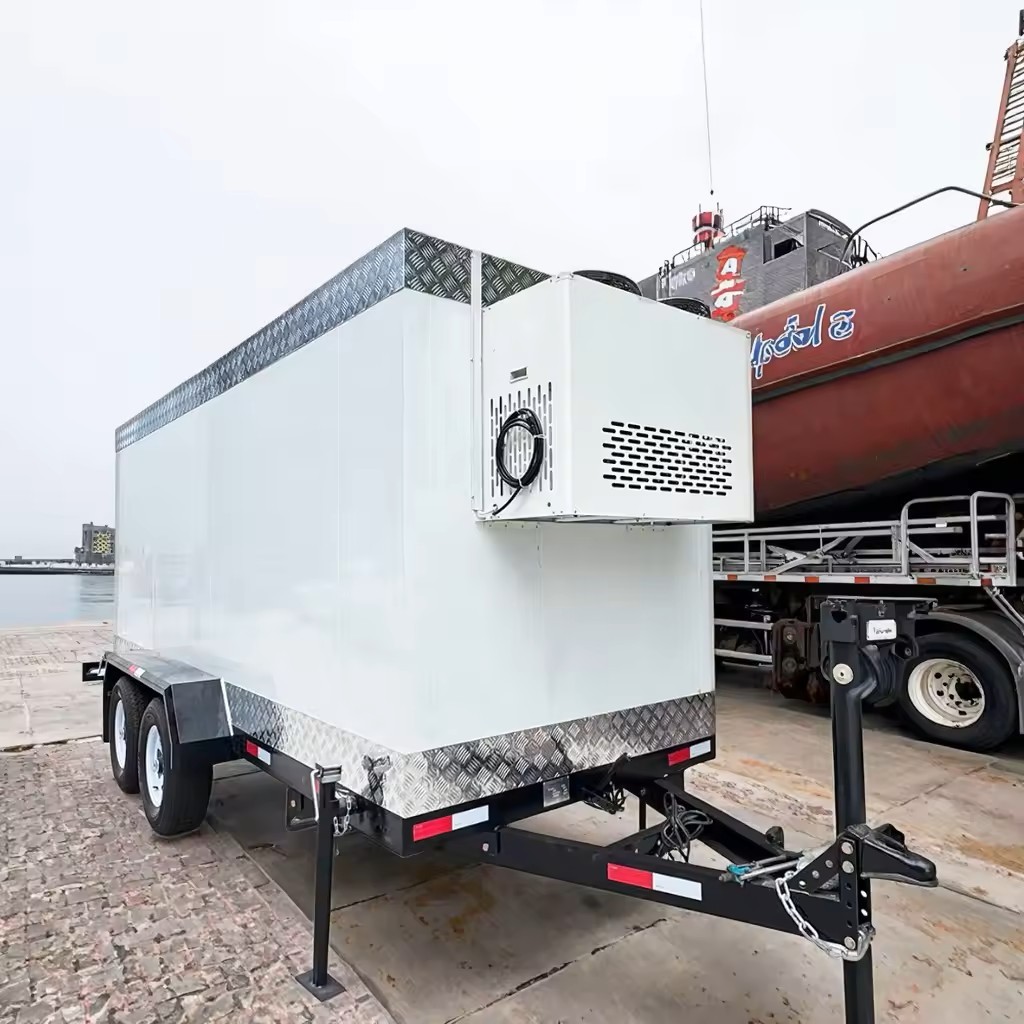
Refrigerated trailer
Description of Refrigerated trailer
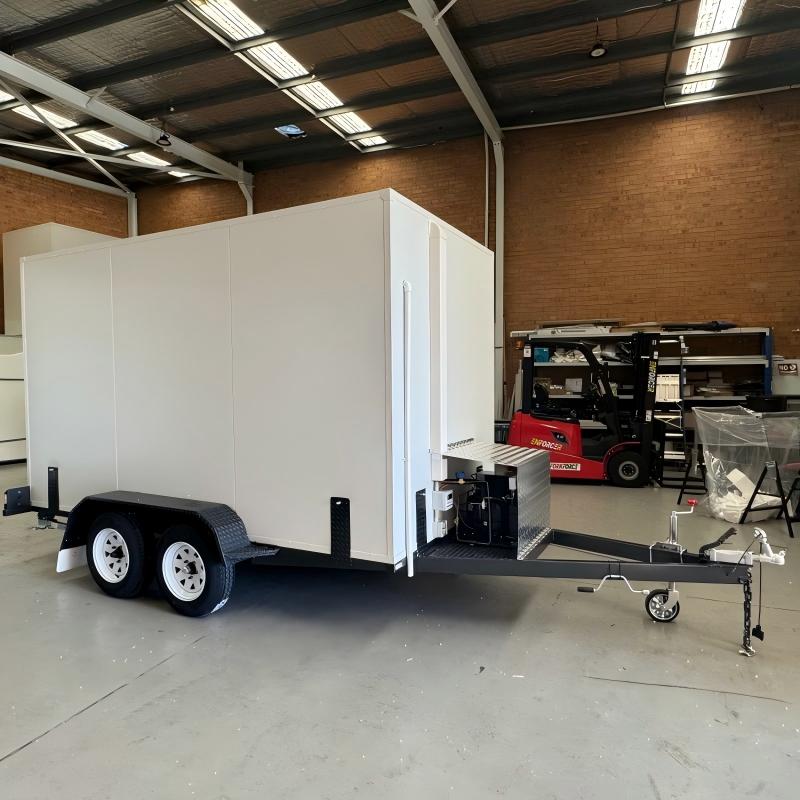
Refrigerated (reefer) trailers are insulated, climate-controlled semi-trailers with integrated refrigeration systems, designed to maintain stable internal temperatures for transporting temperature-sensitive goods such as fresh fruits, meat, dairy, vaccines, and chemicals. The independent cooling (and often heating) unit works with thick thermal insulation to prevent temperature fluctuations, supported by digital monitoring tools to track conditions throughout transit, ensuring cargo integrity from origin to destination.
Core characteristics of Refrigerated trailer
Precise and Stable Temperature Control
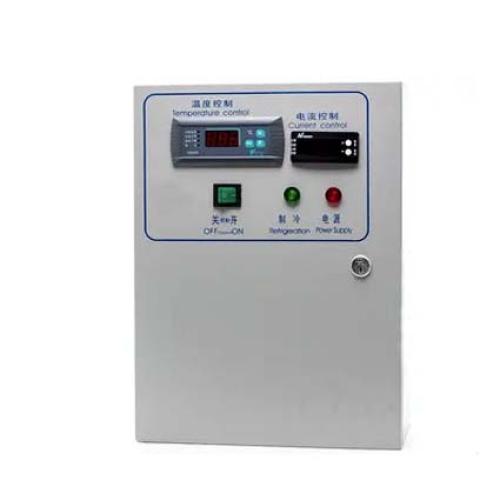
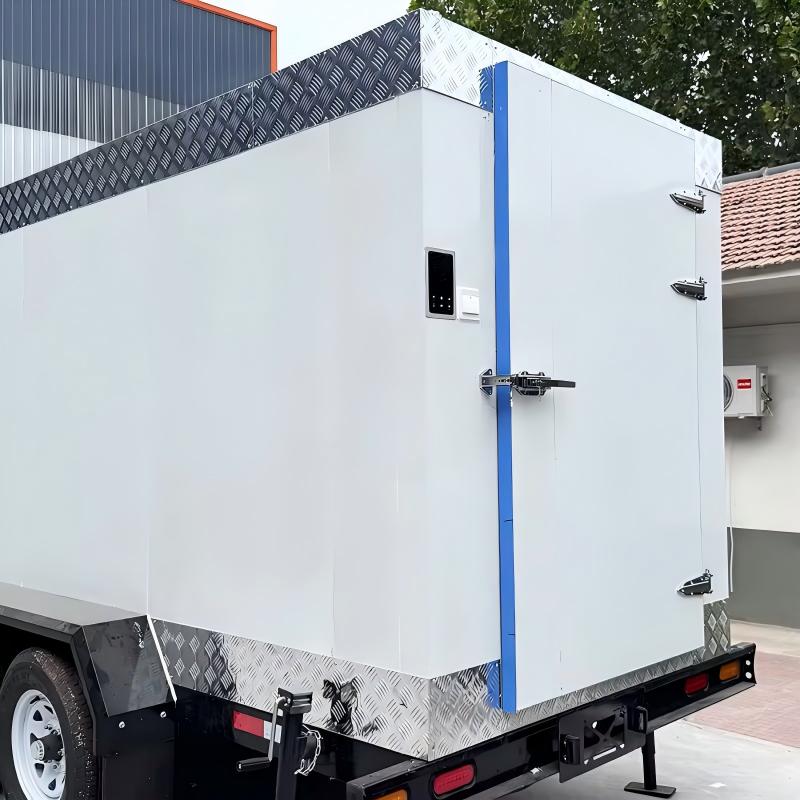
The most defining feature of a refrigerated trailer is its ability to deliver consistent, accurate temperature regulation. Equipped with professional‑grade transport refrigeration units (TRUs), the system supports a wide operational range, typically from -25°C to +25°C, covering frozen storage, deep chilling, fresh keeping, and even constant‑temperature heating for sensitive goods in cold environments. Advanced models offer control precision within ±0.5°C, eliminating temperature fluctuations that cause spoilage, dehydration, or quality degradation.
Many units support multi‑temperature zoning, using insulated partitions to divide the trailer into two or three independent sections. Each zone can be set to a different temperature, allowing mixed shipments such as frozen meat, chilled dairy, and fresh produce in one journey. This flexibility greatly improves logistics efficiency and reduces transportation costs for distributors and retailers. The refrigeration system can run on a dedicated diesel engine or switch to electric power when parked, ensuring uninterrupted cooling during loading, unloading, and overnight stops.
High‑Performance Thermal Insulation Structure
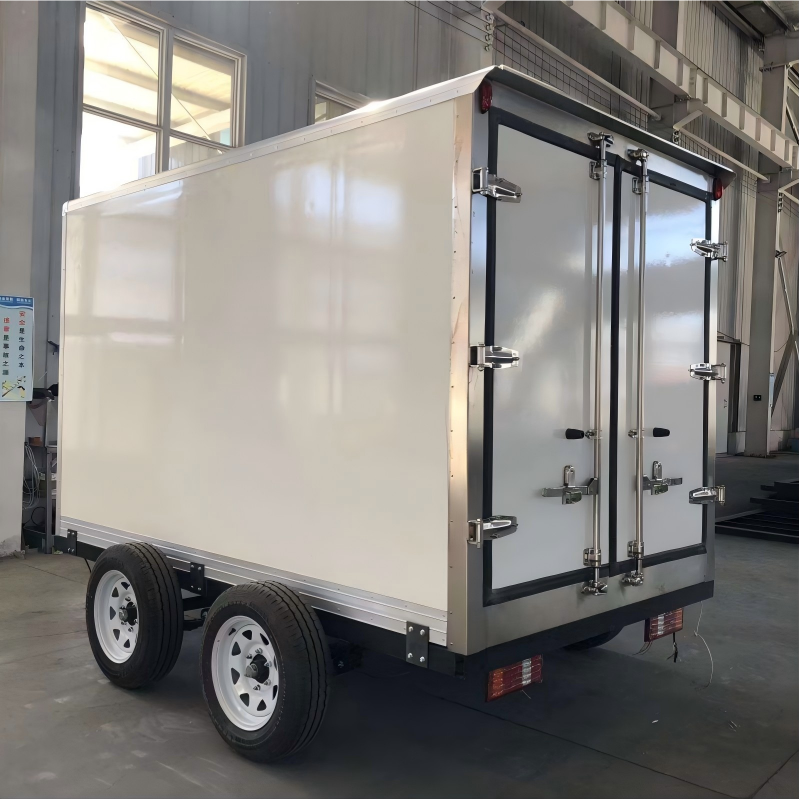
The trailer body adopts a fully enclosed, foam‑filled sandwich panel structure, mostly using high‑density polyurethane (PU) foam as the core insulation layer. This material features extremely low thermal conductivity, effectively blocking heat exchange between the interior and exterior. The panel thickness usually ranges from 75mm to 100mm, with enhanced versions reaching 120mm for ultra‑low‑temperature frozen transport.
The inner and outer skins are made of food‑grade fiberglass reinforced plastic (FRP), stainless steel, or aluminum alloy, which are smooth, easy to clean, corrosion‑resistant, and compliant with food safety and pharmaceutical transport standards. The joints between panels are sealed with waterproof and heat‑insulating adhesives, and the doors use dual‑layer rubber gaskets to prevent cold air leakage. This design maintains stable internal temperatures even under high outdoor temperatures, strong sunlight, or humid conditions, reducing energy consumption and extending refrigeration unit service life.
Robust Structural Design and Load Capacity
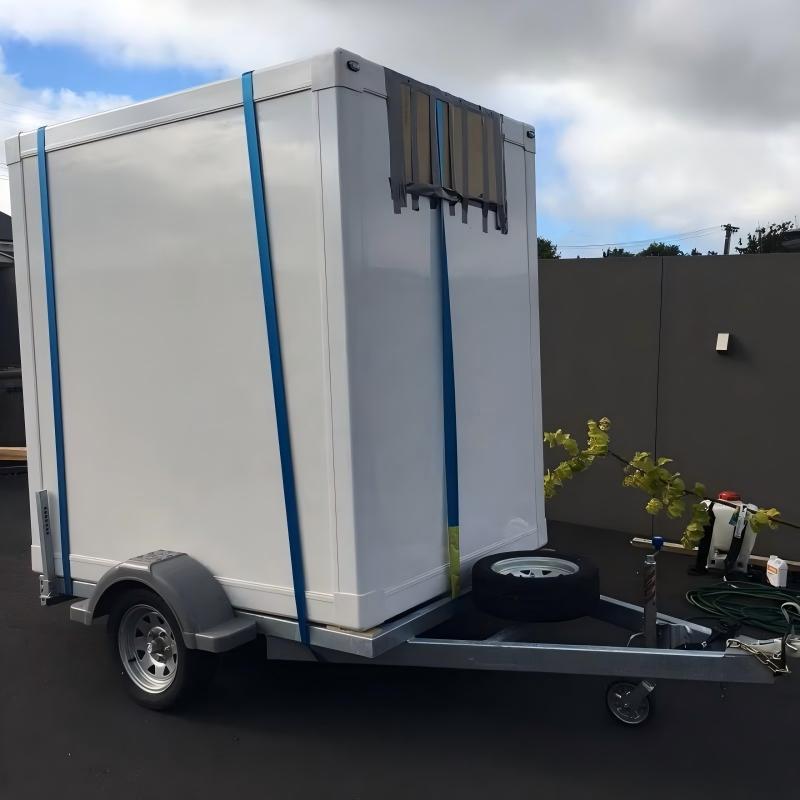
Refrigerated trailers are engineered for heavy use and long‑distance transportation. The chassis uses high‑strength steel with anti‑torsion and anti‑bending performance, maintaining stability on uneven roads. The floor is reinforced with aluminum alloy T‑guide rails or non‑slip steel plates, supporting forklift operation and heavy palletized cargo while allowing smooth cold‑air circulation underneath.
Common configurations include 2‑axle and 3‑axle designs, with high load ratings suitable for full‑pallet logistics. The box structure uses rivet‑and‑bond integrated technology to enhance overall strength and durability. Some models feature a drop‑frame design that increases internal height without raising the total vehicle height, adding up to 25% more vertical loading space for tall cargo. The body is lightweight yet strong, improving fuel efficiency without compromising load capacity.
Efficient Air Circulation and Uniform Cooling
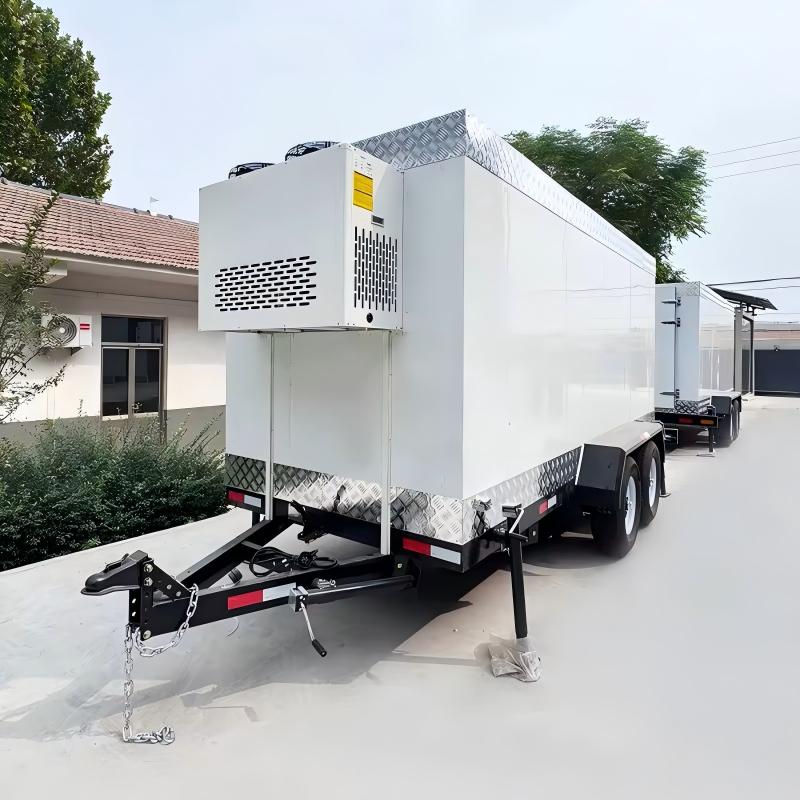
To avoid hotspots and ensure even temperature distribution, refrigerated trailers are equipped with an optimized air‑flow system. The floor features raised ventilation grooves, the side walls have vertical air ducts, and the rear doors include air strips. These features form a 360‑degree circulating air path that covers every corner of the cargo area.
Uniform cooling protects packaged goods, fresh fruits and vegetables, flowers, and pharmaceuticals from partial freezing or overheating. Good ventilation also reduces humidity accumulation, preventing mold, rot, or condensation damage. For highly sensitive items such as vaccines and chemicals, some units offer controlled atmosphere (CA) functions, adjusting oxygen and carbon dioxide levels to further extend shelf life.
· PrFood processing workshops
· Cold stores and freezer rooms
· Cold chain logistics centres and distribution warehouses
· Pharmaceutical factories and cleanrooms
· Biological laboratories and sample repositories
· Flower preservation chambers
· Low-temperature storage for
| Product Type |
Refrigerated trailer |
|
Applicable Industries |
Restaurant, Retail, Food Shop, Food & Beverage Shops |
|
After Warranty Service |
Video technical support, Online support |
|
Voltage |
110V/220V/380V |
|
Power |
5-20 kW |
|
Refrigeration Capacity |
10-50 kW (34,000-170,000 BTU/h) |
|
Temperature Range |
-20°C to 10°C (-4°F to 50°F) |
|
Material |
Galvanized Steel |
|
Floor |
Non-slip Flooring (aluminum) with Drain |
|
Wheels |
2/4 Wheels |
|
Evaporator |
Air Cooled (Ceiling Mounted, Floor Mounted) |
|
Certification |
CE,ISO |
|
Service Door |
Customized |
|
Insulation Thickness |
50mm (2in) |
|
Specification |
Customized |
Frequently Asked Questions (FAQ)
1. What is a mobile refrigerated trailer?
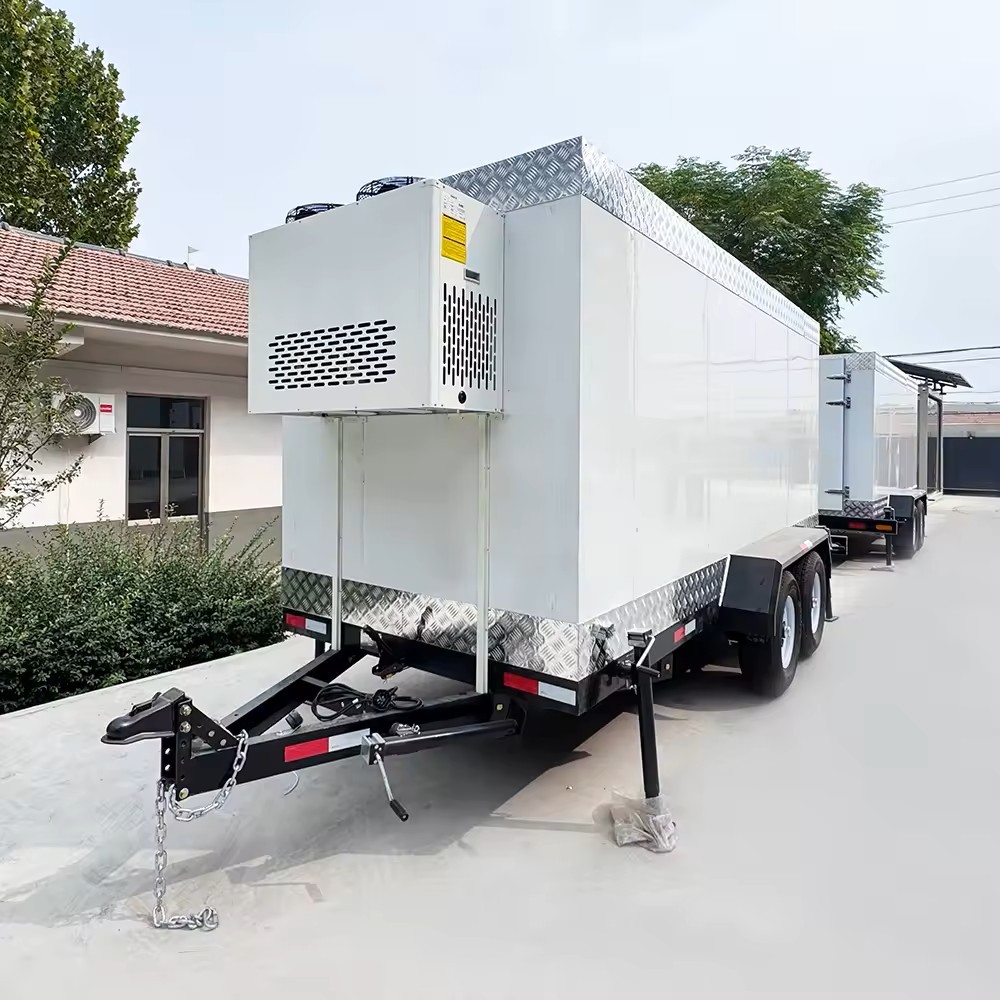
A mobile refrigerated trailer (often called a "reefer trailer" or "cool room on wheels") is a towable insulated unit equipped with a refrigeration system. It is designed to transport or store temperature-sensitive goods like food, beverages, flowers, and pharmaceuticals.
2. Can this trailer be used as both a cooler and a freezer?
Yes, most of our units are equipped with adjustable refrigeration systems. You can set the temperature to keep items chilled (0°C to 4°C) or deep-frozen (-18°C or lower), depending on your needs.
3. What are the main applications for this trailer?
Common uses include outdoor catering events, emergency backup for restaurants, transporting fresh produce for farmers, game meat storage for hunters, floral delivery, and cold chain logistics for medical supplies.
4. Is the trailer suitable for long-distance travel?
Absolutely. The trailer is built on a heavy-duty chassis with a suspension system designed for highway speeds and long-distance transport.
5. How is the refrigeration unit powered?
The unit typically runs on standard single-phase AC power (110V or 220V, depending on your region). It can be plugged into a standard wall outlet or powered by a portable generator.
6. Does the refrigeration unit run while the vehicle is towing it?
Standard electric units require a generator mounted on the trailer tongue or in the towing vehicle to run while in motion. Alternatively, the high-quality insulation keeps goods cold for shorter trips without power.
7. How long does it take to reach the desired temperature?
An empty trailer typically pulls down to 0°C (32°F) within 30 to 60 minutes, depending on the ambient temperature and the power of the cooling unit.
8. How much power does the unit consume?
Power consumption varies by model, but most compact units are energy-efficient, drawing between 10 to 15 amps during startup and significantly less while running.
9. Is there a backup power option?
We recommend using a portable generator (usually 3.5kW or higher) as a backup power source if shore power is unavailable.
10. What kind of vehicle do I need to tow this trailer?
Our single-axle compact models are lightweight and can be towed by most standard SUVs, pickup trucks, and even some sedans. Please check your vehicle's towing capacity against the trailer's Gross Vehicle Weight (GVW).
11. Do I need a special driver’s license to tow this?
For most small to medium-sized trailers (under 3,500kg or 7,700lbs), a standard driver’s license is sufficient. However, regulations vary by country and state, so please check local laws.
12. What type of connection does the trailer lights use?
We install standard 7-pin (round) or flat connectors adaptable to most vehicles.
13. What is the payload capacity?
Payload depends on the specific axle rating. A standard single-axle unit typically carries between 500kg to 1,000kg (1,100lbs to 2,200lbs). Heavy-duty options are available.
14. What material is the insulation made of?
We use high-density Polyurethane (PU) sandwich panels (typically 75mm to 100mm thick), which offer superior thermal efficiency compared to Styrofoam.
15. Is the floor slip-resistant?
Yes, the floor is typically finished with checkered aluminum plate (diamond plate) or an anti-slip resin coating to ensure safety during loading and unloading.
16. Does it come with internal shelving?
Shelving is optional. We can install stainless steel or food-grade wire racking, or leave the space open for pallet storage.
17. Is the interior light waterproof?
Yes, the trailer comes equipped with an IP65-rated LED internal light for safe operation in wet and cold conditions.
18. Are the doors lockable?
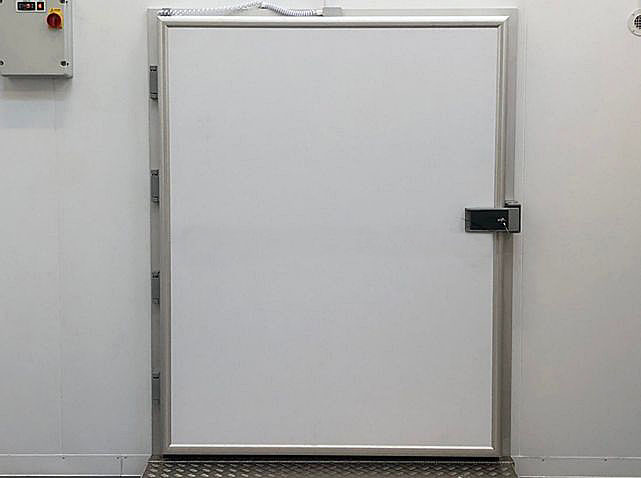
Yes, the rear doors feature heavy-duty stainless steel cam-locks that are fully lockable to secure your valuable cargo.
19. Is there an emergency release inside?
Safety is a priority. All our walk-in trailers feature an internal safety release mechanism, allowing anyone trapped inside to open the door easily.
20. How do I clean the interior?
The interior panels are seamless and water-resistant. You can wash them down with mild detergent and water. A floor drain is usually included for easy washout.
21. How often does the refrigeration unit need servicing?
We recommend a basic check-up (cleaning condenser coils, checking refrigerant levels) once a year or every 6 months if used heavily.
22. What should I do if the unit stops working?
Check your power source and breakers first. If the issue persists, our units are made by major manufacturers (like Govi, KingClima, or Carrier), so parts and service technicians are widely available.
23. Can I customize the size or color?
Yes, we offer OEM/ODM services. We can customize dimensions, door placement, exterior wrap/branding, and chassis specifications.
24. What is the warranty period?
We typically offer a 1-year warranty on the trailer chassis and body, and a separate warranty (usually 1 year) from the refrigeration unit manufacturer.
25. Do you ship internationally?
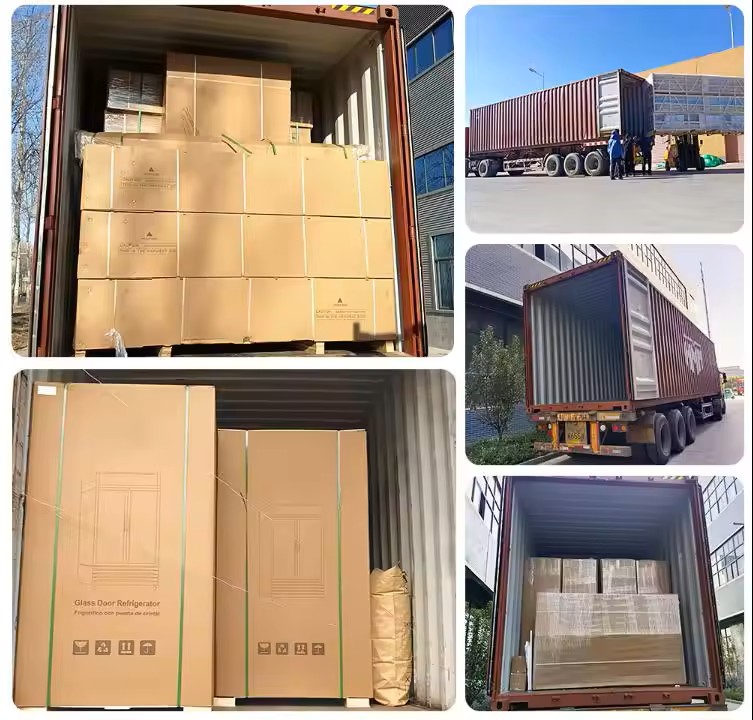
Yes, we ship worldwide. Trailers can be shipped fully assembled (CBU) or in flat-pack (CKD) form to save on shipping costs.