

Introduction to PU Panels in Cold Storage: Why It Matters
In the global cold chain industry, maintaining stable low temperatures is not just a requirement—it’s a critical factor that directly impacts product quality, safety, and operational costs. From food and beverage preservation to pharmaceutical storage and logistics, cold storage facilities rely heavily on high-performance insulation materials to minimize heat transfer, reduce energy consumption, and extend the shelf life of perishable goods. Among the various insulation solutions available, Polyurethane (PU) Panels have emerged as the gold standard for cold storage construction, thanks to their exceptional thermal insulation, durability, and versatility. But what exactly is a PU panel in the context of cold storage? How does it work, and why is it the preferred choice for industry professionals worldwide?
This blog aims to answer all these questions and more, providing a detailed, easy-to-understand guide to PU panels in cold storage. Whether you’re a cold storage facility owner, a construction professional, a logistics manager, or simply someone looking to learn more about the technology behind temperature-controlled storage, this article will break down everything you need to know—from the basic definition and composition of PU panels to their key features, technical specifications, common FAQs, and real-world applications. By the end of this guide, you’ll have a clear understanding of why PU panels are indispensable in modern cold storage and how to choose the right one for your specific needs.
First, let’s set the stage: the global cold storage market is growing at an unprecedented rate, driven by increasing demand for frozen and refrigerated food, the expansion of the pharmaceutical cold chain, and the rise of e-commerce grocery delivery. According to industry reports, the global cold storage market is projected to reach over $300 billion by 2030, with a compound annual growth rate (CAGR) of 8.5%. As cold storage facilities become larger, more sophisticated, and more energy-efficient, the choice of insulation material becomes even more critical. PU panels have proven time and again to be the most reliable and cost-effective solution for meeting the strict temperature requirements of modern cold storage, outperforming traditional insulation materials like polystyrene (PS) and fiberglass in almost every key metric.
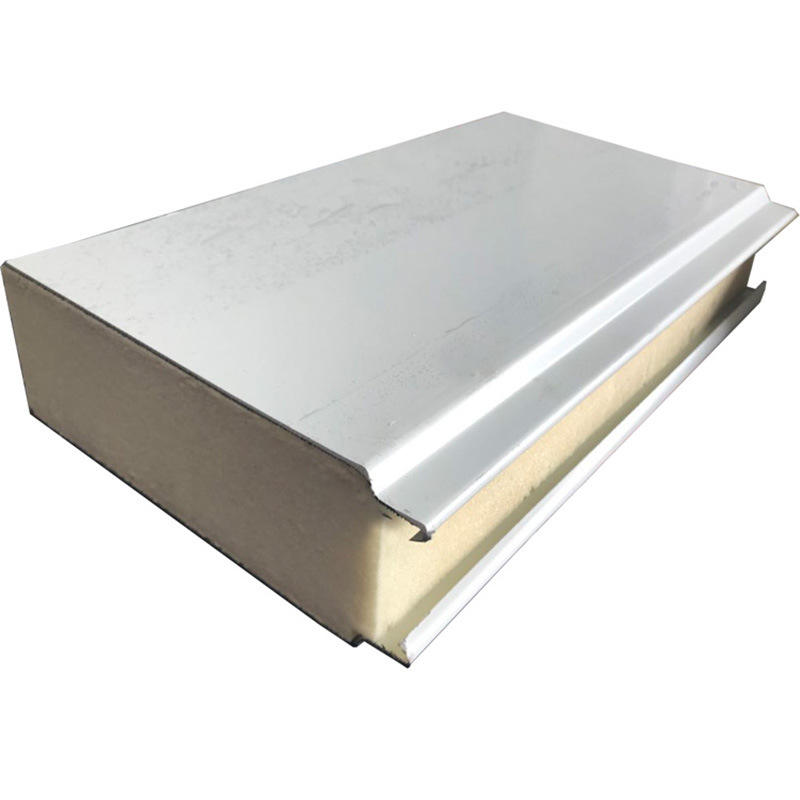
Detailed Explanation: What Is a PU Panel in Cold Storage?
A PU panel (short for Polyurethane Panel) in cold storage is a prefabricated composite insulation panel designed specifically for temperature-controlled environments. It consists of three main components: a core made of rigid polyurethane foam, and two outer facings (also known as skins) made of high-quality metal or composite materials. These panels are factory-manufactured using advanced automated processes, ensuring consistent quality, precise dimensions, and easy on-site installation—making them ideal for both new cold storage construction and retrofitting existing facilities.
Let’s break down each component in detail to understand how PU panels work and why they are so effective for cold storage:
1. Core Material: Rigid Polyurethane Foam
The core of a PU panel is the heart of its insulation performance. Rigid polyurethane foam is a synthetic material produced by the reaction of two chemicals: isocyanate and polyol. When these two components are mixed, they undergo a chemical reaction that creates a dense, closed-cell foam structure. This closed-cell structure is what gives PU foam its exceptional thermal insulation properties—unlike open-cell foams, which trap air and allow heat transfer, closed-cell PU foam has tiny, sealed air bubbles that minimize heat conduction, convection, and radiation.
Key properties of the PU foam core that make it ideal for cold storage include:
- Low Thermal Conductivity: Thermal conductivity (k-value) is a measure of how well a material conducts heat. The lower the k-value, the better the insulation. PU foam has an extremely low k-value of 0.021–0.024 W/(m·K), which is significantly lower than other common insulation materials (e.g., PS foam has a k-value of 0.033–0.035 W/(m·K), and fiberglass has a k-value of 0.035–0.040 W/(m·K)). This means PU panels can effectively block heat from entering the cold storage facility, reducing the workload on refrigeration systems and lowering energy costs.
- High Density and Strength: PU foam used in cold storage panels typically has a density of 40±2 kg/m³, which provides excellent structural strength and load-bearing capacity. This density ensures that the panels can withstand the weight of roofing materials, equipment, and even personnel, making them suitable for both wall and ceiling applications in cold storage facilities. Additionally, the high density of the foam prevents sagging, warping, or deformation over time, ensuring long-term durability.
- Waterproof and Moisture-Resistant: The closed-cell structure of PU foam is impermeable to water and moisture. This is critical for cold storage facilities, where temperature fluctuations can cause condensation. Unlike other insulation materials that absorb moisture (which reduces their insulation performance), PU foam repels water, ensuring that its thermal conductivity remains consistent over time. This also prevents mold, mildew, and rot, which can damage the facility and contaminate stored goods—especially important for food and pharmaceutical cold storage.
- Fire Retardancy: Safety is a top priority in cold storage facilities, which often store flammable goods (e.g., food oils, packaging materials). PU panels for cold storage are treated with fire retardants to meet industry fire safety standards. Most PU panels have a fire rating of B2 (difficult to ignite, slow to spread flame), and some high-performance models can reach B1 (highly fire-retardant) with an additional cost increase of 15–20%. The fire retardant additives ensure that the foam does not contribute to flame spread and produces minimal smoke in the event of a fire, protecting both the facility and its contents.
2. Outer Facings (Skins)
The outer facings of PU panels serve two main purposes: to protect the PU foam core from physical damage, moisture, and UV radiation, and to provide additional structural support. The choice of facing material depends on the specific application, environmental conditions, and hygiene requirements of the cold storage facility. Common facing materials include:
- Pre-Painted Galvanized Steel (PPGI): This is the most common facing material for PU panels in cold storage. It is affordable, durable, corrosion-resistant, and available in a variety of colors. PPGI facings are treated with a protective coating that prevents rust and damage from harsh environmental conditions, making them suitable for both indoor and outdoor applications. The standard thickness of PPGI facings is 0.4–1.2 mm, with 0.5 mm being the most commonly used thickness for most cold storage projects.
- Stainless Steel: Ideal for cold storage facilities that require high hygiene standards, such as food processing plants, pharmaceutical warehouses, and seafood storage facilities. Stainless steel is non-porous, easy to clean, and highly resistant to corrosion, chemicals, and bacteria. It is often used in cold storage facilities that store acidic or corrosive products, as well as those that require regular sanitization. Stainless steel facings are available in 304 or 316 grades, with thicknesses ranging from 0.5–1.0 mm.
- Aluminum (Plain or Embossed): Aluminum facings are lightweight, corrosion-resistant, and have excellent thermal reflectivity, which helps to further reduce heat transfer. Embossed aluminum facings are often used for cold storage floors or walls that require a non-slip surface, such as in food processing areas or loading docks. Aluminum facings are available in thicknesses of 0.4–0.8 mm and can be customized to meet specific aesthetic or functional requirements.
- Composite Facings: For specialized applications, composite facings (e.g., fiberglass-reinforced plastic, PVC) may be used. These facings offer enhanced durability, chemical resistance, or UV protection, making them suitable for harsh environments (e.g., outdoor cold storage facilities in coastal areas with high humidity and salt exposure).
3. Manufacturing Process
PU panels for cold storage are manufactured in factories using advanced automated production lines, ensuring consistent quality and precise dimensions. The manufacturing process typically involves the following steps:
- Preparation of Facings: The outer facings (e.g., PPGI, stainless steel) are cut to the required size and shape using precision cutting machines. The facings may also be pre-treated (e.g., galvanized, painted) to enhance their durability and corrosion resistance.
- Foam Mixing and Application: The isocyanate and polyol components are mixed in precise proportions using a high-pressure foaming machine. The foam mixture is then sprayed or injected between the two facings, which are held in place by a conveyor system.
- Curing: The foam undergoes a chemical reaction and expands to fill the space between the facings, forming a solid, rigid core. The panels are then passed through a curing oven or allowed to cure at room temperature, depending on the production process. Curing ensures that the foam bonds securely to the facings and achieves its full structural and insulation properties.
- Trimming and Finishing: Once cured, the panels are trimmed to the exact dimensions using precision cutting tools. The edges are sealed to prevent moisture ingress, and any necessary hardware (e.g., cam locks, grooves) is added to facilitate on-site installation.
The factory-manufactured nature of PU panels means that they are ready to install immediately upon delivery to the construction site. This significantly reduces on-site construction time and labor costs, making PU panels a cost-effective choice for cold storage projects of all sizes.
Key Features and Benefits of PU Panels in Cold Storage
PU panels offer a wide range of features and benefits that make them the ideal insulation solution for cold storage facilities. These include:
- Exceptional Thermal Insulation: As mentioned earlier, PU panels have a very low thermal conductivity, which minimizes heat transfer and helps maintain stable temperatures inside the cold storage facility. This reduces the energy consumption of refrigeration systems, leading to lower utility bills and a smaller carbon footprint. In fact, studies have shown that PU panels can reduce energy consumption by 15–20% compared to traditional insulation materials like PS foam.
- Fast and Easy Installation: PU panels are prefabricated and designed with interlocking systems (e.g., cam locks, tongue-and-groove) that allow for quick and easy installation. Unlike traditional insulation materials, which require on-site cutting, fitting, and finishing, PU panels can be installed in a fraction of the time. This reduces construction time by up to 30% and minimizes disruptions to ongoing operations (for retrofitting projects).
- Durability and Longevity: PU panels are highly durable and can withstand harsh environmental conditions, physical impact, and temperature fluctuations. The closed-cell foam core is resistant to moisture, mold, and rot, and the outer facings are corrosion-resistant and UV-stable. When properly installed and maintained, PU panels can last for 20–25 years, making them a long-term investment for cold storage facility owners.
- Versatility: PU panels can be customized to meet the specific needs of any cold storage facility. They are available in a wide range of thicknesses (50–200 mm), sizes, and facing materials, making them suitable for walls, ceilings, floors, and even doors. PU panels can also be designed to fit irregular shapes and sizes, making them ideal for retrofitting existing facilities or building custom cold storage solutions.
- Hygiene and Safety: For food and pharmaceutical cold storage, hygiene is critical. PU panels with stainless steel or food-grade facings are non-porous, easy to clean, and resistant to bacteria and mold. They also meet strict industry standards for food safety (e.g., FSSC22000) and pharmaceutical storage (e.g., GMP). Additionally, the fire-retardant properties of PU panels ensure that the facility is safe for both personnel and stored goods.
- Cost-Effectiveness: While the initial cost of PU panels may be higher than traditional insulation materials, their long-term benefits more than offset the upfront investment. The energy savings, reduced maintenance costs, and long lifespan of PU panels mean that they offer a lower total cost of ownership over time. In fact, the energy savings alone can recoup the initial cost difference within 2–3 years for most cold storage facilities.
Technical Specifications and Data Table of PU Panels for Cold Storage
To help you understand the technical aspects of PU panels and choose the right one for your cold storage facility, we’ve compiled a detailed data table with the most common specifications and performance metrics. These values are based on industry standards and data from leading PU panel manufacturers, and they can be customized to meet your specific project requirements.
|
Specification
|
Range/Value
|
Description
|
|---|---|---|
|
Panel Thickness
|
50 mm – 200 mm
|
Thickness varies based on the required temperature range; thicker panels for lower temperatures (e.g., 200 mm for -50°C)
|
|
PU Foam Density
|
35 – 45 kg/m³ (standard: 40±2 kg/m³)
|
Higher density improves structural strength and insulation performance; 40 kg/m³ is optimal for most cold storage applications
|
|
Thermal Conductivity (k-value)
|
0.021 – 0.024 W/(m·K)
|
Lower k-value means better insulation; measured at 20°C per industry standards
|
|
Outer Facing Thickness
|
0.4 mm – 1.2 mm
|
Standard is 0.5 mm (PPGI); thicker facings for high-load or high-corrosion environments
|
|
Outer Facing Materials
|
PPGI, Stainless Steel (304/316), Aluminum, Composite
|
Choice depends on hygiene, corrosion resistance, and aesthetic requirements
|
|
Fire Rating
|
B2 (standard), B1 (high-performance)
|
B1 requires additional fire retardants; suitable for high-safety applications
|
|
Operating Temperature Range
|
-50°C to 70°C
|
Suitable for all types of cold storage
|
|
Panel Width
|
960 mm (standard), customizable up to 1200 mm
|
Standard width for easy installation; custom widths available for specific projects
|
|
Panel Length
|
Up to 12 m (standard), customizable up to 29 m
|
Length limited by transportation; longer panels reduce joint gaps and improve insulation
|
|
Compressive Strength
|
≥150 Kpa (40 kg/m³ density)
|
Measures the panel’s ability to withstand vertical loads; critical for ceiling and floor applications
|
|
Water Absorption
|
≤2.5%
|
Closed-cell structure minimizes water absorption; ensures long-term insulation performance
|
|
Lifespan
|
20 – 25 years
|
Depends on installation, maintenance, and environmental conditions
|
|
Installation Time
|
100 – 150 m² per day (per team)
|
Faster than traditional insulation; varies based on panel size and complexity
|
Note: The above specifications are general guidelines. For specific projects, it’s recommended to consult with a PU panel manufacturer to customize the panels to your exact requirements, including temperature range, load-bearing capacity, and hygiene standards.
PU Panel Thickness vs. Cold Storage Temperature: Matching the Right Panel to Your Needs
One of the most critical decisions when choosing PU panels for cold storage is selecting the right thickness. The thickness of the panel directly impacts its insulation performance and ability to maintain the desired temperature inside the facility. Below is a table that shows the recommended PU panel thickness for different cold storage temperature ranges, based on industry best practices and manufacturer data:
|
Cold Storage Type
|
Desired Temperature Range
|
Recommended Panel Thickness
|
Application Examples
|
|---|---|---|---|
|
保鲜库 (Fresh Keeping)
|
5°C – 25°C
|
50 mm
|
Fruits, vegetables, flowers, dairy products (short-term storage)
|
|
冷藏库 (Refrigerated)
|
-5°C – 5°C
|
75 mm
|
Meat, seafood, processed food, beverages
|
|
冷冻库 (Frozen)
|
-15°C – -5°C
|
100 mm
|
Frozen food, ice cream, frozen meat (long-term storage)
|
|
速冻库 (Quick Freezing)
|
-25°C – -15°C
|
150 mm
|
Seafood, poultry, processed food (rapid freezing)
|
|
超低温库 (Ultra-Low Temperature)
|
-35°C – -25°C
|
180 mm
|
Pharmaceuticals, biological samples, special frozen goods
|
|
极低温库 (Extreme Low Temperature)
|
-55°C – -35°C
|
200 mm
|
Cryogenic storage, medical research, special industrial products
|
It’s important to note that these recommendations are based on a standard external temperature of 25°C. If your cold storage facility is located in an area with extreme temperatures (e.g., very hot or very cold climates), you may need to increase the panel thickness to ensure optimal insulation performance. Additionally, factors like facility size, door frequency, and refrigeration system efficiency can also impact the required panel thickness.
FAQ: Common Questions About PU Panels in Cold Storage
We’ve compiled a list of the most frequently asked questions about PU panels in cold storage, based on industry feedback and customer inquiries. These answers will help clarify any doubts you may have and guide you in making the right decision for your cold storage project.
1. What is the difference between PU panels and PS panels for cold storage?
The main difference between PU panels and PS (polystyrene) panels is their insulation performance, density, and durability. PU panels have a lower thermal conductivity (0.021–0.024 W/(m·K)) compared to PS panels (0.033–0.035 W/(m·K)), meaning they provide better insulation and energy savings. PU panels also have a higher density (40 kg/m³ vs. 25–30 kg/m³ for PS panels), which makes them stronger and more durable. Additionally, PU panels are waterproof and moisture-resistant, while PS panels are prone to absorbing moisture, which reduces their insulation performance over time. While PS panels are cheaper upfront, PU panels offer better long-term value due to their energy savings and longer lifespan. PU panels are recommended for low-temperature cold storage (below -10°C), while PS panels are suitable for milder temperature ranges (above 0°C) where cost is a primary concern.
2. How long do PU panels last in cold storage?
When properly installed and maintained, PU panels can last for 20–25 years in cold storage facilities. The lifespan depends on several factors, including the quality of the panels, the installation process, the environmental conditions (e.g., humidity, corrosion), and regular maintenance. To maximize the lifespan of PU panels, it’s important to choose high-quality panels from a reputable manufacturer, ensure proper installation (including sealing all joints to prevent moisture ingress), and conduct regular inspections and maintenance (e.g., cleaning the facings, checking for damage or wear).
3. Are PU panels fire-safe for cold storage?
Yes, PU panels for cold storage are fire-safe when they meet industry fire safety standards. Most PU panels are treated with fire retardants to achieve a B2 fire rating, which means they are difficult to ignite, burn slowly, and do not contribute significantly to flame spread. For applications that require higher fire safety (e.g., cold storage facilities storing flammable goods or located in densely populated areas), high-performance PU panels with a B1 fire rating are available. These panels use advanced fire retardant additives that further reduce flame spread and smoke production. It’s important to check the fire rating of the panels before purchasing to ensure they meet the specific fire safety requirements of your facility and local regulations.
4. Can PU panels be used for cold storage floors?
Yes, PU panels can be used for cold storage floors, but they must be designed with additional load-bearing capacity to withstand the weight of pallets, equipment, and personnel. Floor PU panels typically have a thicker core (100–150 mm) and reinforced facings (e.g., embossed aluminum or stainless steel) to provide non-slip surfaces and enhance durability. Additionally, floor PU panels may be combined with other materials (e.g., concrete) to further improve load-bearing capacity. It’s important to consult with a manufacturer to ensure that the floor panels are designed to meet the specific load requirements of your cold storage facility (e.g., heavy-duty pallets, forklift traffic).
5. How do I maintain PU panels in cold storage?
Maintaining PU panels in cold storage is relatively simple and involves regular inspections and minor upkeep. Here are some key maintenance tips:
- Regular Cleaning: Clean the outer facings regularly using a mild detergent and water to remove dirt, dust, and debris. For stainless steel facings, use a non-abrasive cleaner to avoid scratching the surface.
- Check for Damage: Inspect the panels regularly for cracks, dents, or damage to the facings or joints. Repair any damage immediately to prevent moisture ingress, which can reduce insulation performance.
- Seal Joints: Check the seals around panel joints, doors, and windows regularly. Replace any worn or damaged sealants to ensure a tight, airtight seal and prevent cold air leakage.
- Prevent Corrosion: For PPGI or aluminum facings, check for signs of corrosion (e.g., rust, discoloration) and treat it immediately with a corrosion-resistant coating.
- Monitor Insulation Performance: Use a thermal imaging camera to monitor the insulation performance of the panels. If you notice any areas of heat transfer (e.g., hot spots), it may indicate a problem with the panels or installation, which should be addressed promptly.
6. Are PU panels environmentally friendly?
Modern PU panels for cold storage are designed to be environmentally friendly. They are CFC-free (chlorofluorocarbon-free), which means they do not contribute to ozone depletion. Additionally, PU panels are energy-efficient, reducing the carbon footprint of cold storage facilities by lowering energy consumption. Many PU panels are also recyclable, and some manufacturers offer recycling programs for old or damaged panels. When choosing PU panels, look for products that meet international environmental standards (e.g., ISO 14001) to ensure they are produced in an environmentally responsible manner.
7. How much do PU panels cost for cold storage?
The cost of PU panels for cold storage varies depending on several factors, including panel thickness, facing material, density, fire rating, and order quantity. On average, the cost ranges from $15 to $30 per square meter for standard PU panels (50–100 mm thickness, PPGI facings, B2 fire rating). High-performance panels (e.g., 150–200 mm thickness, stainless steel facings, B1 fire rating) can cost $30 to $50 per square meter or more. While the initial cost is higher than traditional insulation materials, the energy savings and long lifespan of PU panels make them a cost-effective choice in the long run. It’s recommended to get quotes from multiple manufacturers to compare prices and find the best value for your project.
8. Can PU panels be used for retrofitting existing cold storage facilities?
Yes, PU panels are an excellent choice for retrofitting existing cold storage facilities. Their prefabricated design and easy installation make them ideal for upgrading older facilities that may have outdated or inefficient insulation. Retrofitting with PU panels can significantly improve the insulation performance of the facility, reduce energy consumption, and extend the lifespan of the cold storage. Additionally, PU panels can be customized to fit the existing structure, minimizing the need for major modifications. Many cold storage facility owners choose to retrofit with PU panels to reduce operating costs and meet modern temperature and safety standards.
Conclusion: Why PU Panels Are the Future of Cold Storage Insulation
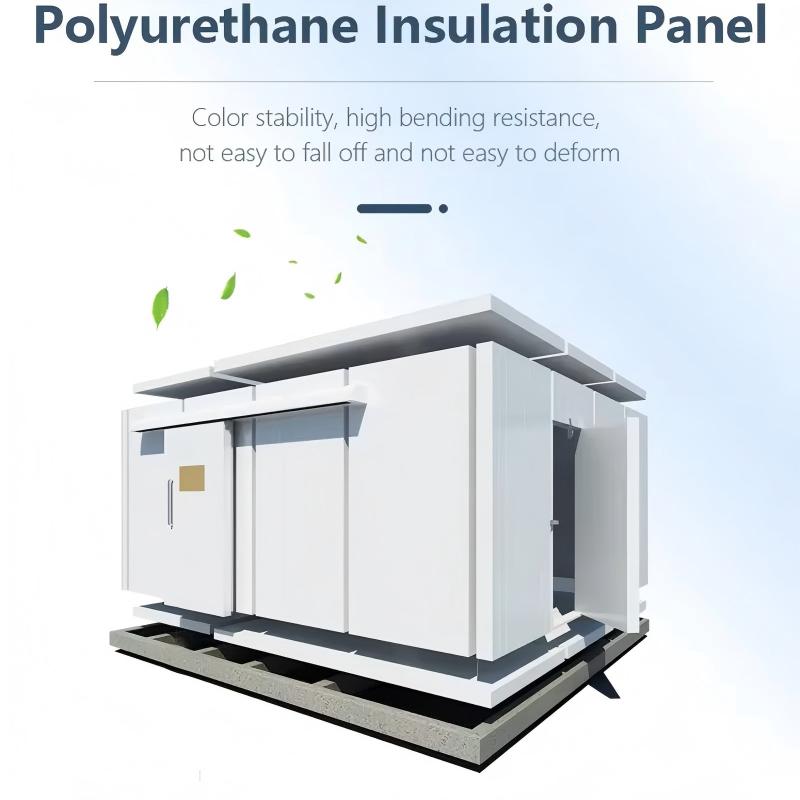
In conclusion, PU panels are the most reliable, efficient, and cost-effective insulation solution for modern cold storage facilities. Their exceptional thermal insulation, durability, versatility, and easy installation make them the preferred choice for industry professionals worldwide. Whether you’re building a new cold storage facility or retrofitting an existing one, PU panels offer a range of benefits that help maintain stable temperatures, reduce energy costs, and protect stored goods—from food and beverages to pharmaceuticals and biological samples.
As the global cold chain industry continues to grow and evolve, the demand for high-performance insulation materials like PU panels will only increase. With advancements in manufacturing technology, PU panels are becoming even more efficient, environmentally friendly, and customizable, making them suitable for a wide range of cold storage applications. By choosing PU panels for your cold storage facility, you’re investing in a long-term solution that will help you reduce operational costs, improve product quality, and stay competitive in the ever-changing cold chain market.
Remember, the key to getting the most out of PU panels is to choose high-quality panels from a reputable manufacturer, select the right thickness and specifications for your specific temperature requirements, and ensure proper installation and maintenance. With the right PU panels, your cold storage facility will operate efficiently, reliably, and cost-effectively for years to come.
CTA: Contact Us for Your Cold Storage PU Panel Needs
If you have any questions about PU panels in cold storage or need help selecting the right panels for your project, our team of experts is here to assist you. We are a leading manufacturer of high-quality PU panels for cold storage, offering customizable solutions to meet your specific requirements—from panel thickness and facing material to fire rating and load-bearing capacity.
Contact us today to get a free quote, technical consultation, or sample of our PU panels. We pride ourselves on providing exceptional products and customer service, and we look forward to helping you build a more efficient, reliable, and cost-effective cold storage facility.
Contact Information:
Email: info@aircoolingtech.com
Website: https://www.aircoolingtech.com/
Post time:Sep-25-2020
