

How to Choose Cold Room Panels
Introduction: Why Choosing the Right Cold Room Panels Matters
Cold rooms are essential in industries such as food processing, pharmaceuticals, agriculture, hospitality, and logistics. They help maintain controlled temperatures to preserve product quality, extend shelf life, and ensure regulatory compliance. At the core of any efficient cold storage facility lies one critical component: cold room panels.
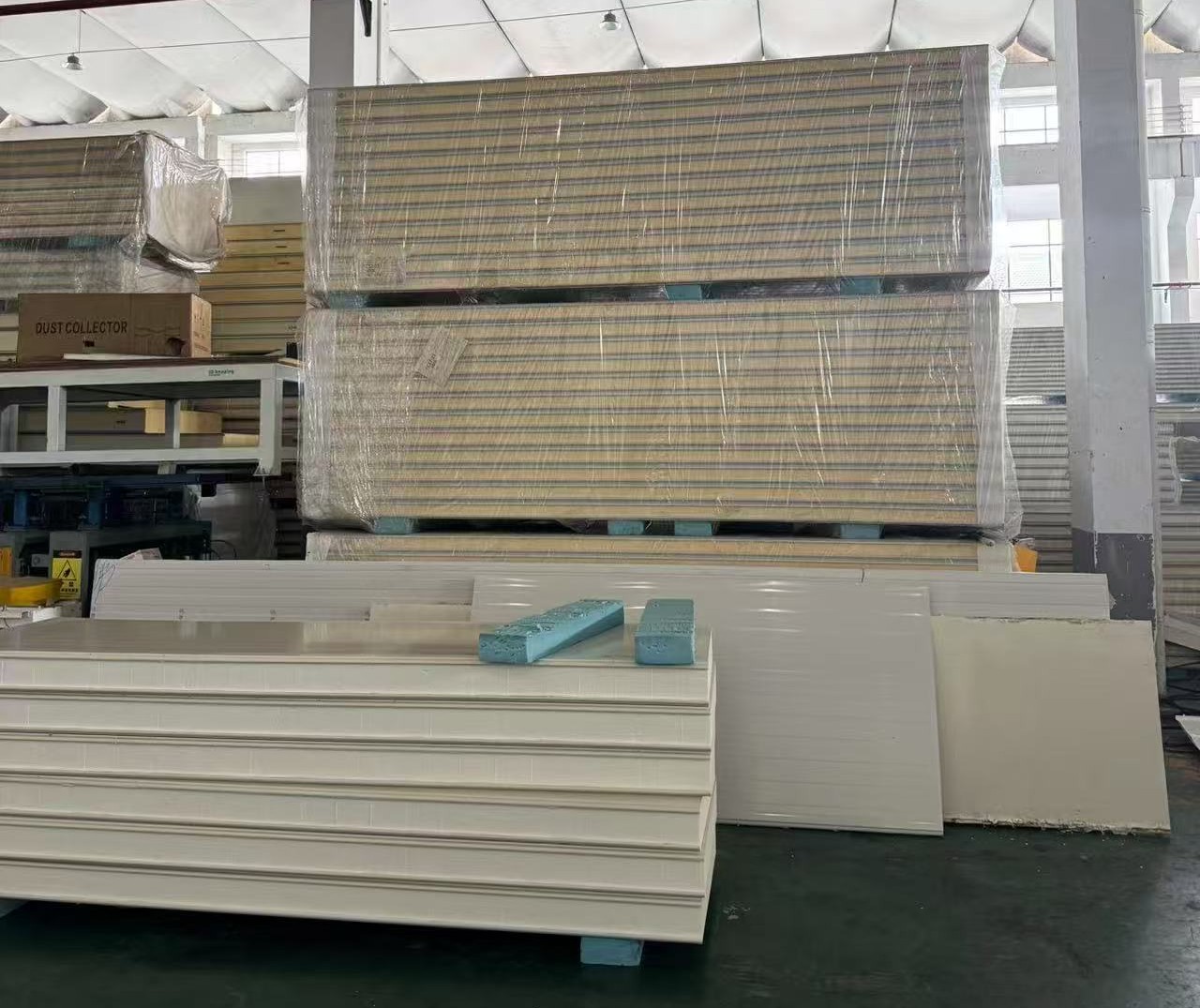
Cold room panels form the structural and thermal envelope of a cold storage facility. They provide insulation, structural support, and hygienic surfaces while ensuring temperature stability. Choosing the wrong panels can result in energy loss, condensation issues, structural problems, and higher operating costs.
However, many buyers and project managers struggle with questions such as:
-
Which insulation material is best?
-
What panel thickness should I choose?
-
How do I ensure durability and hygiene?
-
What standards should cold room panels meet?
This guide will walk you through everything you need to know about selecting the right cold room panels, including materials, thickness, insulation performance, surface options, installation considerations, and industry standards.
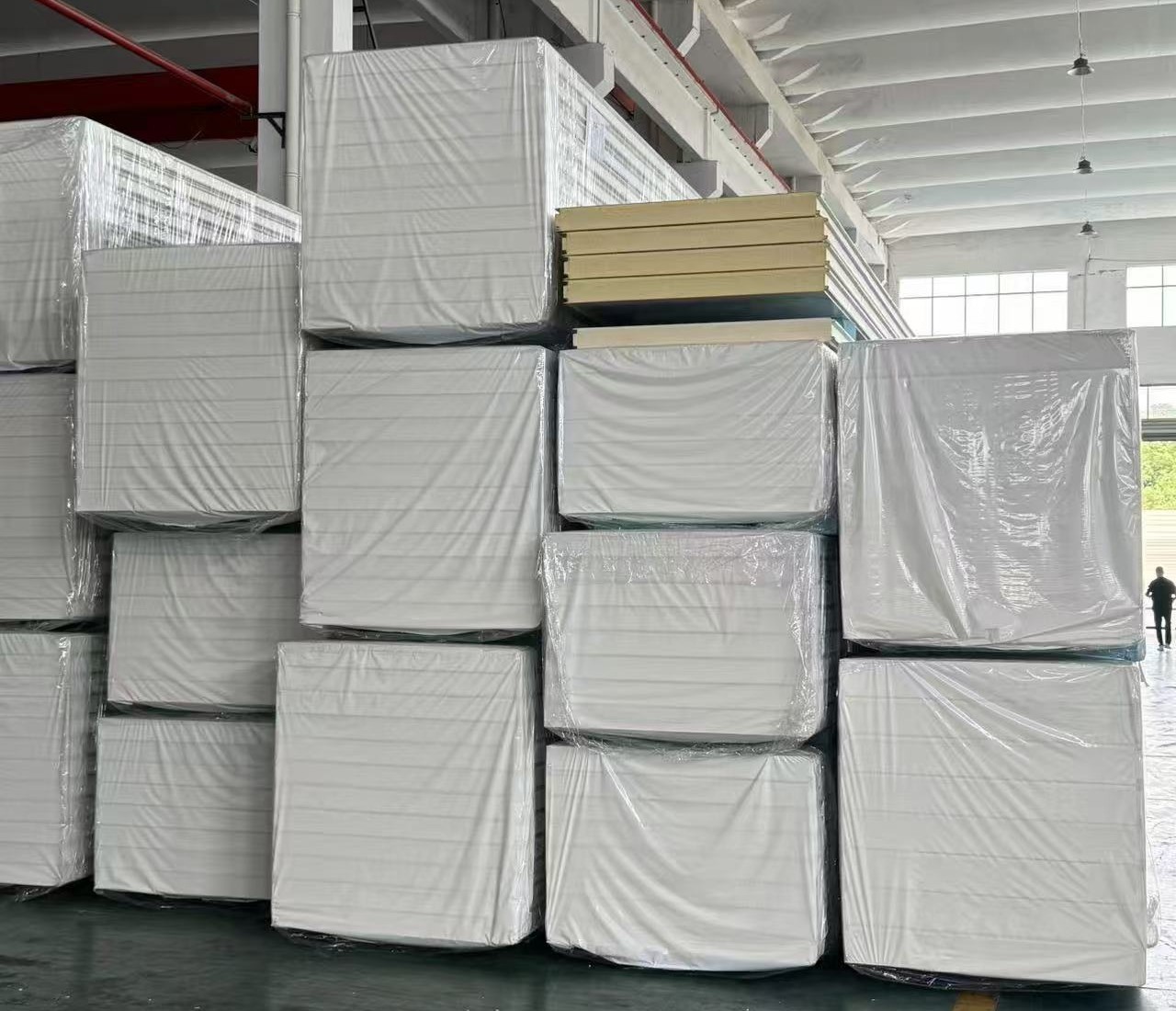
What Are Cold Room Panels and Why Are They Important?
Cold room panels are prefabricated insulated wall, ceiling, and floor panels used to construct temperature-controlled environments. They are typically composed of three layers:
-
External metal sheet
-
Insulation core
-
Internal metal sheet
These panels are designed to maintain consistent temperatures while minimizing energy consumption.
Common Applications
Cold room panels are widely used in:
-
Food storage facilities
-
Meat and seafood processing plants
-
Supermarkets
-
Pharmaceutical storage
-
Agriculture storage
-
Logistics and distribution centers
-
Hotels and restaurants
-
Ice cream and frozen food factories
The performance of a cold room depends heavily on the quality, thickness, and insulation capability of the panels used.
Key Factors to Consider When Choosing Cold Room Panels
1. Insulation Material
The insulation core is the most critical component of a cold room panel because it determines thermal performance.
Common Insulation Materials
Polyurethane (PU)
Polyurethane panels are widely used due to their excellent thermal insulation properties and structural strength.
Advantages:
-
Low thermal conductivity
-
High insulation efficiency
-
Lightweight but strong
-
Long lifespan
-
Moisture resistant
Typical thermal conductivity: 0.022–0.026 W/m·K
Polyisocyanurate (PIR)
PIR is an improved version of polyurethane with better fire resistance.
Advantages:
-
Higher fire resistance
-
Excellent insulation performance
-
Stable structure
Typical thermal conductivity: 0.021–0.023 W/m·K
Expanded Polystyrene (EPS)
EPS panels are cheaper but less efficient.
Advantages:
-
Low cost
-
Easy manufacturing
Disadvantages:
-
Higher thermal conductivity
-
Lower fire resistance
-
Less durable
Typical thermal conductivity: 0.033–0.038 W/m·K
Comparison of Insulation Materials
Insulation Material Comparison Table
| Material | Thermal Conductivity (W/m·K) | Fire Resistance | Cost | Application |
|---|---|---|---|---|
| PU | 0.022–0.026 | Medium | Medium | Most cold rooms |
| PIR | 0.021–0.023 | High | Medium-High | Pharmaceutical & high safety |
| EPS | 0.033–0.038 | Low | Low | Budget cold storage |
For most cold storage projects, PU or PIR panels are recommended due to their superior insulation.
2. Panel Thickness
Panel thickness determines the insulation capacity and energy efficiency of the cold room.
Different temperature ranges require different panel thicknesses.
Recommended Thickness by Temperature
| Cold Room Temperature | Recommended Panel Thickness |
|---|---|
| 0°C to +10°C | 50–75 mm |
| -5°C to 0°C | 75–100 mm |
| -18°C (Frozen storage) | 100–150 mm |
| -25°C to -40°C | 150–200 mm |
Thicker panels provide:
-
Better insulation
-
Lower energy consumption
-
Improved temperature stability
However, thicker panels also increase the initial cost.
Therefore, the optimal thickness should be determined based on:
-
Target temperature
-
Ambient temperature
-
Energy cost
-
Room size
3. Surface Material and Coating
The outer and inner surfaces of cold room panels are usually made of metal sheets.
Common surface materials include:
Pre-painted Galvanized Steel (PPGI)
Most commonly used material.
Advantages:
-
Corrosion resistant
-
Cost-effective
-
Durable
Stainless Steel
Used in food and pharmaceutical industries.
Advantages:
-
Hygienic
-
Easy to clean
-
High corrosion resistance
Disadvantages:
-
Higher cost
Aluminum
Advantages:
-
Lightweight
-
Corrosion resistant
Disadvantages:
-
Lower strength
Surface Material Comparison
| Material | Hygiene Level | Corrosion Resistance | Cost |
|---|---|---|---|
| PPGI | Medium | Medium | Low |
| Stainless Steel | Very High | Very High | High |
| Aluminum | High | High | Medium |
For industries with strict hygiene requirements, stainless steel panels are preferred.
4. Joint Design and Sealing
Cold room panels are connected using cam-lock systems or tongue-and-groove joints.
Proper sealing is critical for preventing:
-
Air leakage
-
Moisture infiltration
-
Energy loss
-
Frost formation
Common Joint Systems
Cam-lock panels
Advantages:
-
Easy installation
-
Strong connection
-
Airtight sealing
Tongue and groove panels
Advantages:
-
Lower cost
-
Simple design
However, cam-lock panels are generally preferred for large commercial cold rooms.
5. Fire Safety Standards
Cold storage facilities must comply with fire safety regulations.
When choosing panels, check whether they meet standards such as:
-
B1/B2 fire rating
-
FM approved panels
-
EN 13501 fire classification
-
ASTM fire resistance standards
PIR panels typically provide better fire performance than PU or EPS.
6. Structural Strength and Durability
Cold room panels must withstand:
-
Heavy loads
-
Temperature fluctuations
-
Moisture exposure
-
Frequent cleaning
High-quality panels should have:
-
Strong bonding between layers
-
High-density insulation core
-
Durable metal coatings
Typical insulation density:
-
PU panels: 38–45 kg/m³
-
PIR panels: 40–48 kg/m³
Higher density generally means better durability.
Energy Efficiency Considerations
Energy consumption is one of the largest operational costs of a cold storage facility.
High-quality insulated panels can significantly reduce energy usage.
Example Energy Loss Comparison
| Panel Type | Energy Loss | Energy Cost |
|---|---|---|
| EPS 100mm | High | High |
| PU 100mm | Medium | Medium |
| PU 150mm | Low | Low |
Using thicker PU or PIR panels can reduce energy consumption by up to 25–30% over time.
Installation and Maintenance Factors
When selecting cold room panels, installation and maintenance should also be considered.
Important Installation Considerations
-
Floor insulation
-
Vapor barriers
-
Proper sealing
-
Thermal bridge prevention
-
Panel alignment
Professional installation ensures:
-
Long-term performance
-
Reduced maintenance
-
Improved insulation efficiency
FAQ About Cold Room Panels
What is the best insulation material for cold room panels?
Polyurethane (PU) and polyisocyanurate (PIR) are considered the best materials due to their excellent insulation performance and durability.
What thickness is best for a freezer cold room?
For freezer storage at -18°C, panels with 100–150 mm thickness are typically recommended.
Are stainless steel cold room panels necessary?
They are recommended in industries requiring strict hygiene, such as food processing and pharmaceuticals.
How long do cold room panels last?
High-quality cold room panels can last 15–25 years with proper installation and maintenance.
Are thicker panels always better?
Thicker panels provide better insulation but increase initial cost. The optimal thickness should balance energy efficiency and budget.
Conclusion
Choosing the right cold room panels is crucial for building an efficient, reliable, and durable cold storage facility. The decision should consider several factors, including insulation material, panel thickness, surface material, joint design, fire safety standards, and energy efficiency.
Among available options, PU and PIR insulated panels are the most widely recommended due to their superior thermal performance and durability. Additionally, selecting the appropriate thickness based on temperature requirements can significantly reduce long-term energy costs.
Investing in high-quality cold room panels may require a higher upfront cost, but it provides long-term benefits such as lower energy consumption, better temperature control, and improved product safety.
By carefully evaluating your specific application and industry requirements, you can select cold room panels that ensure optimal performance and long-term reliability.
Contact Us for Professional Cold Room Solutions
If you are planning to build or upgrade a cold storage facility, choosing the right panels is critical.
Our team specializes in high-quality cold room panels, custom cold storage solutions, and professional installation services.
Contact us today to get expert advice and a free consultation.
Post time:Sep-25-2020
