

Why Choosing the Right Refrigeration Equipment Matters
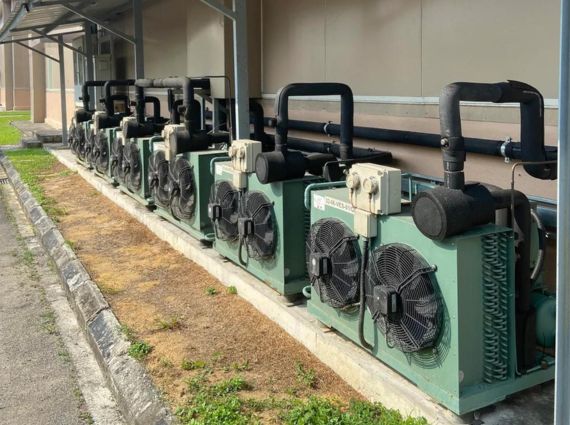
Refrigeration equipment plays a critical role in many industries, including food processing, cold storage, supermarkets, pharmaceuticals, hospitality, and logistics. Whether it is preserving food, storing temperature-sensitive medicine, or maintaining product quality during transportation, refrigeration systems must operate reliably and efficiently.
However, selecting the right refrigeration equipment is not as simple as choosing the largest or cheapest option available. Many businesses face problems such as insufficient cooling capacity, excessive energy consumption, equipment breakdowns, or improper temperature control because the refrigeration system was not selected correctly.
A poorly selected refrigeration system can lead to several serious issues:
-
Higher operational costs due to energy inefficiency
-
Product spoilage caused by unstable temperature control
-
Frequent equipment failures and maintenance problems
-
Shorter equipment lifespan
-
Compliance risks in regulated industries like pharmaceuticals and food safety
For example, a supermarket that installs refrigeration units with insufficient capacity may struggle to maintain stable temperatures during peak hours. Similarly, a cold storage warehouse that selects an oversized system may waste large amounts of electricity and incur unnecessary operational expenses.
Therefore, understanding how to properly select refrigeration equipment is essential for businesses that rely on temperature-controlled environments. The right system can improve efficiency, reduce costs, extend equipment life, and ensure product safety.
In this guide, we will explore the key considerations, technical factors, system types, sizing calculations, and best practices for selecting refrigeration equipment.
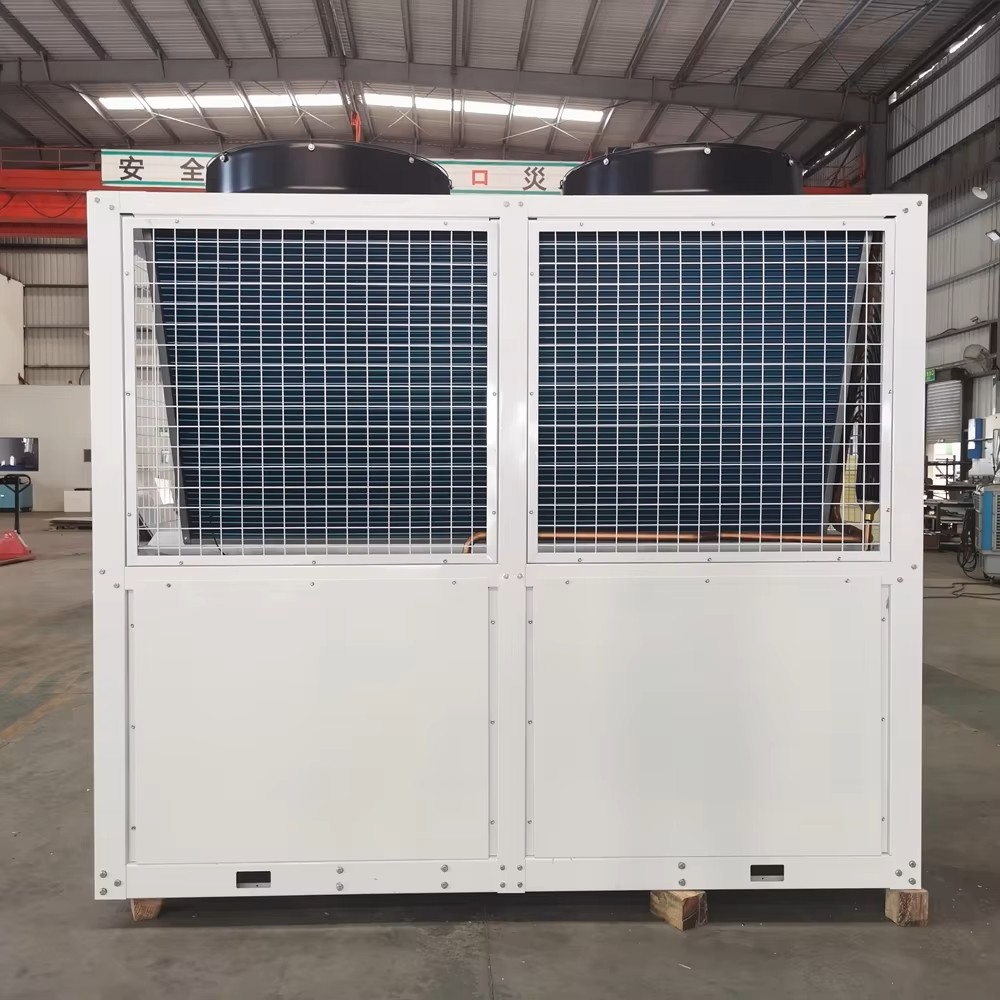
Key Factors When Selecting Refrigeration Equipment
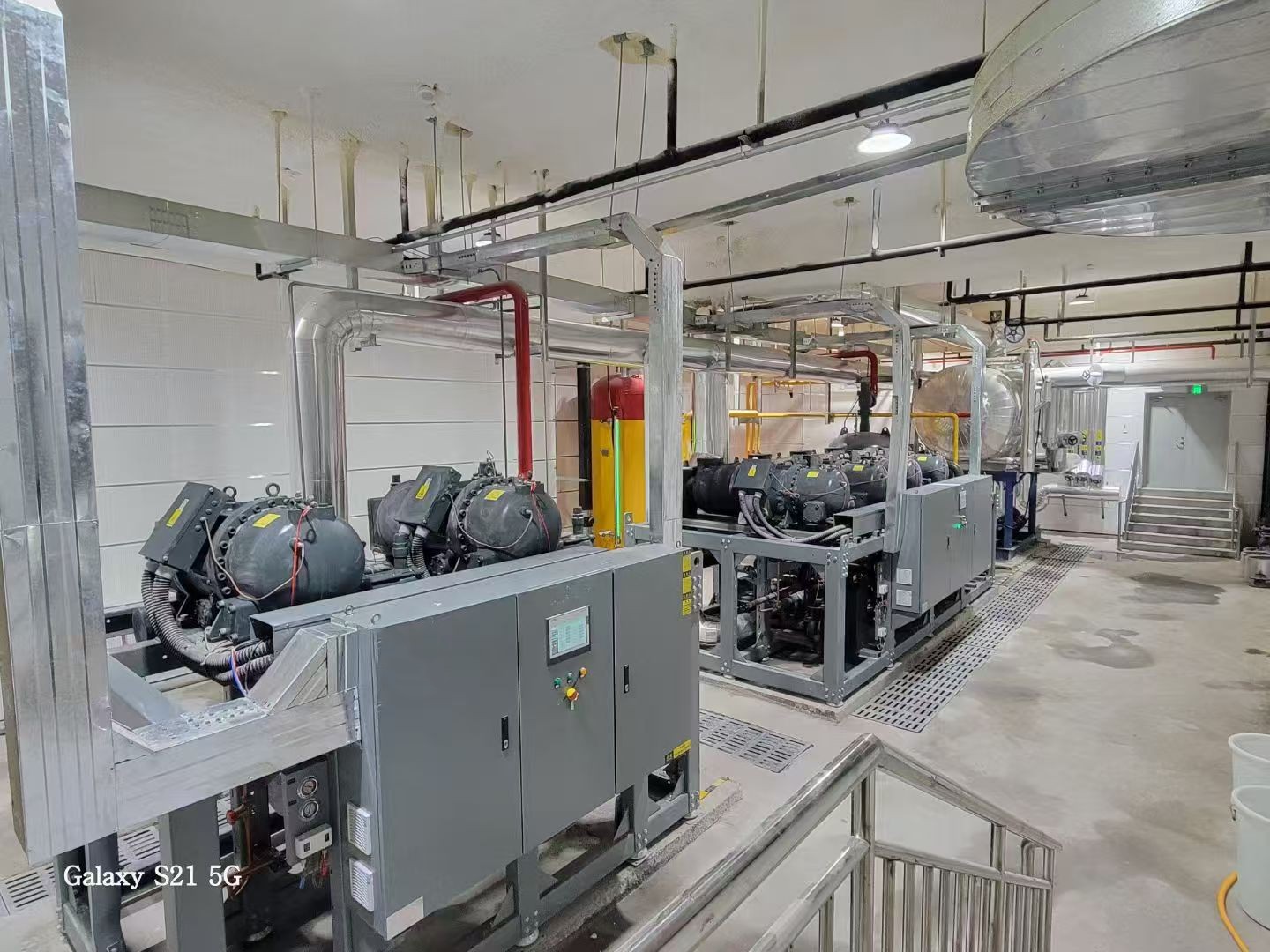
Choosing refrigeration equipment requires evaluating several technical and operational factors. These include cooling capacity, temperature requirements, application type, energy efficiency, environmental conditions, and maintenance requirements.
1. Understand Your Application Requirements
The first step in selecting refrigeration equipment is identifying the intended application. Different industries require different refrigeration solutions.
Common applications include:
-
Cold storage warehouses
-
Food processing facilities
-
Supermarket display refrigeration
-
Industrial cooling systems
-
Pharmaceutical storage
-
Restaurant refrigeration
-
Ice production systems
Each application requires specific temperature ranges and operational characteristics.
For instance:
-
Frozen food storage typically requires -18°C or lower
-
Fresh food storage requires 0°C to 4°C
-
Pharmaceutical storage often requires 2°C to 8°C
-
Industrial process cooling may vary widely depending on the process
Understanding the application helps determine system size, compressor type, evaporator design, and control requirements.
2. Determine the Required Cooling Capacity
Cooling capacity is one of the most important factors when selecting refrigeration equipment. It refers to the amount of heat the system must remove from a space within a specific period.
Cooling capacity is usually measured in:
-
kW (kilowatts)
-
BTU/h (British Thermal Units per hour)
-
TR (tons of refrigeration)
Several factors affect the cooling load:
-
Room size
-
Insulation quality
-
Product load
-
Door opening frequency
-
Ambient temperature
-
Equipment heat load
-
Lighting heat
An accurate load calculation ensures the refrigeration system can maintain the required temperature without excessive energy consumption.
3. Choose the Right Refrigeration System Type
There are several types of refrigeration systems, each designed for different applications.
Vapor Compression Refrigeration Systems
This is the most common refrigeration system used in commercial and industrial applications.
Key components include:
-
Compressor
-
Condenser
-
Expansion valve
-
Evaporator
Advantages:
-
High efficiency
-
Reliable operation
-
Wide application range
Absorption Refrigeration Systems
Absorption systems use heat rather than electricity as the main energy source.
Advantages:
-
Can utilize waste heat
-
Suitable for industrial environments
-
Lower electrical consumption
However, these systems are usually larger and more complex.
Cascade Refrigeration Systems
Cascade systems are used for extremely low temperatures such as -40°C or lower.
They use two refrigeration cycles with different refrigerants.
Applications include:
-
Ultra-low temperature storage
-
Pharmaceutical freezing
-
Scientific research facilities
4. Select Energy Efficient Equipment
Energy efficiency is a major factor in refrigeration system selection because refrigeration equipment typically runs continuously.
Important efficiency indicators include:
-
COP (Coefficient of Performance)
-
EER (Energy Efficiency Ratio)
-
Energy Star certification
-
Variable speed compressors
-
Smart control systems
Energy-efficient equipment may have a higher upfront cost but significantly reduces long-term operational expenses.
5. Consider Refrigerant Type
Refrigerant selection is increasingly important due to environmental regulations and sustainability goals.
Common refrigerants include:
-
R134a
-
R404A
-
R410A
-
R290 (Propane)
-
CO₂ (R744)
-
Ammonia (R717)
Many countries are phasing out high Global Warming Potential (GWP) refrigerants, so selecting environmentally friendly refrigerants helps ensure long-term compliance.
Natural refrigerants like CO₂ and ammonia are becoming increasingly popular in industrial refrigeration.
6. Evaluate Environmental and Installation Conditions
Environmental conditions significantly affect refrigeration system performance.
Important considerations include:
-
Ambient temperature
-
Humidity levels
-
Ventilation
-
Space availability
-
Installation location
-
Electrical capacity
For example, refrigeration systems operating in hot climates require larger condensers and higher cooling capacity.
Proper installation planning ensures optimal system performance and easier maintenance.
7. Maintenance and Service Considerations
Maintenance requirements should also be considered when selecting refrigeration equipment.
Factors include:
-
Availability of spare parts
-
Ease of servicing
-
System accessibility
-
Monitoring systems
-
Technical support
Modern refrigeration systems often include remote monitoring and smart diagnostics, allowing technicians to detect problems early and reduce downtime.
Refrigeration Equipment Selection Data and Comparison
Refrigeration Temperature Applications
| Application | Temperature Range | Typical Equipment |
|---|---|---|
| Fresh Food Storage | 0°C to 4°C | Walk-in coolers |
| Frozen Food Storage | -18°C to -25°C | Freezer rooms |
| Pharmaceutical Storage | 2°C to 8°C | Medical refrigerators |
| Ice Production | -5°C to -10°C | Ice machines |
| Ultra-low Temperature | -40°C to -80°C | Cascade systems |
Refrigeration System Type Comparison
| System Type | Energy Efficiency | Complexity | Typical Use |
|---|---|---|---|
| Vapor Compression | High | Medium | Commercial refrigeration |
| Absorption | Medium | High | Industrial applications |
| Cascade | Medium | High | Ultra-low temperature storage |
Cooling Capacity Reference Guide
| Room Volume | Estimated Cooling Capacity |
|---|---|
| 10 m³ | 2 – 3 kW |
| 50 m³ | 8 – 12 kW |
| 100 m³ | 15 – 20 kW |
| 500 m³ | 80 – 120 kW |
Note: Actual capacity depends on insulation, ambient temperature, and product load.
Frequently Asked Questions (FAQ)
1. How do I calculate the refrigeration capacity required?
Cooling capacity is calculated by evaluating the total heat load, which includes transmission heat, product heat load, infiltration heat, equipment heat, and lighting heat. Engineers typically perform detailed load calculations to determine the appropriate system size.
2. What is the most energy-efficient refrigeration system?
Modern variable-speed compressor systems combined with smart control systems are among the most energy-efficient solutions. Systems using natural refrigerants such as CO₂ can also provide excellent efficiency.
3. Should I oversize refrigeration equipment?
Oversizing refrigeration equipment is not recommended. Oversized systems cycle on and off frequently, reducing efficiency and increasing wear on components.
4. What refrigerant is best for industrial refrigeration?
Ammonia (R717) and CO₂ (R744) are widely used in industrial refrigeration because of their high efficiency and low environmental impact.
5. How long does refrigeration equipment typically last?
Commercial refrigeration equipment generally lasts 10–20 years, depending on system quality, maintenance practices, and operating conditions.
Conclusion
Selecting the right refrigeration equipment requires careful evaluation of several technical and operational factors. Businesses must consider application requirements, cooling capacity, system type, energy efficiency, refrigerant selection, environmental conditions, and maintenance needs.
A properly designed refrigeration system ensures stable temperature control, energy efficiency, product safety, and long-term reliability. Investing time in proper system selection can significantly reduce operating costs while improving overall operational performance.
As refrigeration technologies continue to evolve, businesses should also consider sustainable solutions, smart monitoring systems, and environmentally friendly refrigerants when planning new installations or upgrading existing systems.
Ultimately, the right refrigeration equipment not only preserves products but also protects business profitability and operational stability.
Contact Us
If you are planning to install or upgrade refrigeration equipment, our experts are here to help you select the most suitable system for your needs.
Contact our refrigeration specialists today:
Email: info@aircoolingtech.com
Website: www.aircoolingtech.com
We provide professional consultation, custom refrigeration solutions, and technical support for commercial and industrial applications worldwide.
Post time:Sep-25-2020
