

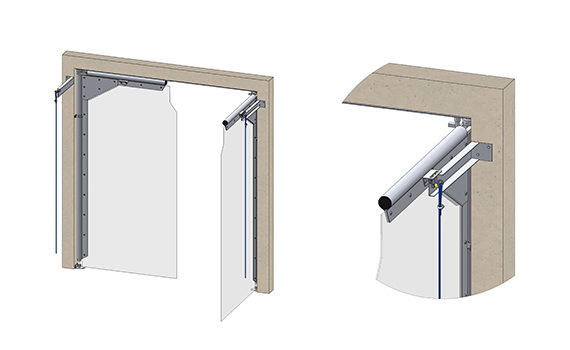
PVC Cold Room Swing Door: The Ultimate Guide for Cold Storage Applications
Why Choose a PVC Cold Room Swing Door Over Other Materials?
|
Material
|
Insulation Performance
|
Low-Temperature Resistance
|
Corrosion Resistance
|
Hygiene & Cleanliness
|
Cost-Effectiveness
|
Service Life
|
|---|---|---|---|---|---|---|
|
PVC
|
Excellent (with polyurethane insulation)
|
High (-30°C to 10°C, no brittleness)
|
Superior (resists moisture & chemicals)
|
Ideal (non-porous, easy to clean)
|
High (affordable vs. durability)
|
8-15 years (with proper maintenance)
|
|
Metal (Steel/Aluminum)
|
Moderate (needs extra insulation)
|
Medium (conducts cold, risk of condensation)
|
Low (prone to rust & corrosion)
|
Moderate (porous if painted, hard to sanitize)
|
Low (high initial cost + maintenance)
|
5-10 years (with anti-corrosion treatment)
|
|
Wood
|
Poor (absorbs moisture, loses insulation)
|
Low (warps, rots, cracks in freezing temps)
|
Very Low (susceptible to mold & decay)
|
Poor (porous, harbors bacteria)
|
Medium (low initial cost, high replacement rate)
|
3-5 years
|
|
Composite
|
Good (varies by composition)
|
Medium (some types brittle at -20°C+)
|
Medium (depends on resin content)
|
Good (smooth surface, but not always food-grade)
|
Medium (higher cost than PVC, lower than metal)
|
6-12 years
|
1. Excellent Insulation & Energy Efficiency
2. Low Temperature Resistance & Durability
3. Corrosion & Hygiene Compliance
4. Cost-Effectiveness & Versatility
Key Features to Look for When Selecting a PVC Cold Room Swing Door
- Insulation Thickness: Opt for 30mm-50mm high-density polyurethane insulation for freezers (-18°C to -30°C) and 20mm-30mm for coolers (0°C to 10°C). Thicker insulation improves energy efficiency but may add weight, so balance with door size and usage frequency. Look for insulation with a high R-value (thermal resistance) for optimal performance.
- Airtight Seals: Look for doors with EPDM rubber seals around the perimeter. These seals compress when the door closes, creating a tight barrier against cold air leakage and maintaining temperature stability. Replaceable seals are a plus for long-term maintenance, as they can be easily swapped out when worn.
- Hardware Quality: Choose corrosion-resistant hinges (stainless steel is ideal) and heavy-duty locks to withstand frequent use in high-humidity environments. For high-traffic areas, consider self-closing hinges with adjustable tension to ensure the door shuts securely every time, preventing cold air loss.
- Temperature Rating: Confirm the door’s minimum operating temperature—ensure it’s compatible with your cold room’s setpoint (e.g., -30°C for deep freezers, -18°C for standard freezers). Some PVC doors are rated for ultra-low temperatures, making them suitable for specialized applications like pharmaceutical storage.
- Fire Safety: For industrial facilities or those in compliance-heavy regions, select fire-rated PVC doors if required by local building codes. These doors are designed to resist fire spread for a specified period (e.g., 30 minutes or 60 minutes) while maintaining insulation properties, enhancing overall facility safety.
- Frame Reinforcement: For large doors or high-traffic areas, look for reinforced frames (e.g., with aluminum or steel cores) to prevent warping or damage from impact. Reinforced frames also improve the door’s structural integrity, ensuring it remains aligned over time.
Installation Tips for PVC Cold Room Swing Doors
- Prepare the Opening: Ensure the cold room’s door opening is square, level, and free of debris. Use a level tool to check both vertical and horizontal alignment—even minor misalignment can cause the door to bind or seal poorly. The frame should be properly anchored to the cold room structure (concrete or steel) to prevent warping or shifting over time.
- Seal Gaps: Use high-quality foam insulation or silicone caulk to seal any gaps between the door frame and the cold room wall. Pay special attention to corners and joints, as these are common areas for cold air leakage. For larger gaps, use backer rod before applying caulk to ensure a tight seal.
- Test the Door: After installation, test the door’s swing to ensure it opens and closes smoothly without binding or rubbing against the frame. Check the airtight seals by closing the door and holding a piece of paper against the perimeter—if the paper doesn’t move, the seal is tight. Adjust the hinges or seals as needed to fix any leaks.
- Hire Professionals for Complex Installations: For industrial-scale doors, doors with custom sizes, or facilities with strict compliance requirements, work with experienced cold room contractors. They have the tools, expertise, and knowledge of local codes to ensure proper alignment, insulation, and safety compliance.
- Install Weather Stripping (If Needed): For external cold room doors or those in areas with extreme temperature fluctuations, add additional weather stripping around the frame to enhance insulation and prevent condensation.
Maintenance Best Practices to Extend Lifespan
- Clean Regularly: Wipe the door surface with a mild detergent and warm water to remove dirt, grease, or food residue. Avoid harsh chemicals (such as bleach, solvents, or abrasive cleaners) that can damage the PVC surface or degrade the seals. For food-grade facilities, sanitize the door monthly with a food-safe disinfectant.
- Inspect Seals Quarterly: Check the EPDM seals every 3-6 months for cracks, wear, or damage. Replace worn seals immediately to prevent cold air leakage—damaged seals can increase energy costs by up to 30%. Clean the seals with a damp cloth to remove dirt buildup that may prevent proper compression.
- Lubricate Hardware Annually: Apply silicone-based lubricant to hinges, locks, and latches once a year to ensure smooth operation. Avoid oil-based lubricants, which can attract dirt, degrade seals, and promote mold growth in high-humidity environments.
- Check for Damage Regularly: Inspect the door for dents, scratches, or cracks monthly. Small damages can be repaired with PVC patch kits or sealant, while larger damages (such as cracked frames or torn insulation) may require door replacement. Addressing damage early prevents it from worsening and compromising insulation.
- Adjust Hinges as Needed: Over time, hinges may loosen or shift, causing the door to misalign. Tighten hinge screws quarterly and adjust the hinge tension (for self-closing models) to ensure the door closes securely and evenly.
Applications of PVC Cold Room Swing Doors
- Seafood Cold Storage & Processing: Resistant to saltwater corrosion and easy to sanitize, making them ideal for storing fresh or frozen seafood.
- Frozen Food Warehouses & Distribution Centers: Excellent insulation keeps temperatures stable, reducing energy costs for large-scale facilities.
- Convenience Stores & Supermarkets: Compact, lightweight designs fit small cooler/freezer openings, while airtight seals prevent cold air loss.
- Pharmaceutical & Medical Cold Storage: Food-grade, non-porous surfaces comply with medical hygiene standards, suitable for storing vaccines, drugs, and lab samples.
- Industrial Refrigeration: Heavy-duty models withstand forklift traffic and extreme temperatures, ideal for chemical, beverage, or dairy production facilities.
- Restaurants & Catering: Walk-in freezers/coolers benefit from easy-to-clean surfaces and self-closing hinges, ensuring food safety and energy efficiency.
- Agricultural Cold Storage: Resistant to moisture and mold, suitable for storing fruits, vegetables, and livestock products.
Frequently Asked Questions (FAQ) About PVC Cold Room Swing Doors
Below are answers to the most common questions about PVC cold room swing doors, helping you address potential concerns and make informed decisions:
Q: Can PVC cold room swing doors be used in ultra-low temperature freezers (-30°C or lower)? A: Yes, select models are engineered for ultra-low temperatures. Look for doors with thick (40mm-50mm) polyurethane insulation and a temperature rating of -40°C to ensure they won’t become brittle or lose insulation performance.
Q: Are PVC cold room swing doors fire-rated? A: Some manufacturers offer fire-rated PVC doors (30-minute or 60-minute ratings) that comply with local building codes. These doors include fire-resistant cores and seals, making them suitable for industrial facilities or public buildings.
Q: How often should I replace the EPDM seals? A: EPDM seals typically last 2-3 years with regular use. Inspect them quarterly and replace if you notice cracks, wear, or air leakage (indicated by a loose seal or increased energy bills).
Q: Can PVC cold room swing doors be customized to fit non-standard openings? A: Yes, most manufacturers offer custom sizes, insulation thicknesses, and hardware options to fit non-standard door openings. Be sure to provide accurate measurements of your opening to ensure a perfect fit.
Q: Are PVC doors suitable for outdoor cold storage facilities? A: Yes, but look for doors with UV-resistant coatings to prevent discoloration or degradation from sunlight. Additionally, ensure the frame is reinforced to withstand wind and weather conditions.
Q: How do PVC doors compare to sliding cold room doors? A: Swing doors are more affordable, easier to install, and better for small openings. Sliding doors save space but are more expensive and require more maintenance. PVC swing doors are ideal for most facilities unless space constraints demand sliding doors.
Q: Can I install a PVC cold room swing door myself? A: For small, standard-size doors (e.g., convenience store coolers), DIY installation is possible if you have basic hand tools and follow the manufacturer’s instructions. For large or custom doors, hire professionals to ensure proper alignment and sealing.
Q: Are PVC cold room swing doors eco-friendly? A: Many PVC doors are made from recyclable materials, and their energy efficiency reduces carbon emissions. Look for manufacturers that use low-VOC (volatile organic compound) materials to minimize environmental impact.
Q: Do PVC doors require painting or refinishing? A: No, PVC doors come in pre-colored finishes (white, gray, or custom colors) that are resistant to fading and scratching. They never need painting or refinishing, reducing long-term maintenance costs.
Q: What is the warranty period for PVC cold room swing doors? A: Most manufacturers offer a 1-5 year warranty on the door and hardware, covering defects in materials and workmanship. Some extend warranties to 10 years for heavy-duty industrial models. Be sure to review the warranty terms before purchasing.
Final Thoughts: Is a PVC Cold Room Swing Door Right for You?
Post time:Sep-25-2020
