Automatic Cold Room Control Panel Changeover Switch: A Comprehensive Guide
In the cold storage industry, maintaining stable and reliable temperature conditions is paramount to preserving the quality of perishable goods, ensuring regulatory compliance, and optimizing operational efficiency. Among the critical components of a cold room’s electrical system, the automatic changeover switch integrated into the control panel plays a pivotal role in safeguarding continuous operation. This device serves as a failsafe mechanism, seamlessly switching power sources or operational modes to prevent costly downtime, equipment damage, and product loss. This blog delves into the functionality, types, selection criteria, installation best practices, and maintenance requirements of automatic cold room control panel changeover switches, providing industry professionals with actionable insights to enhance their cold storage systems.
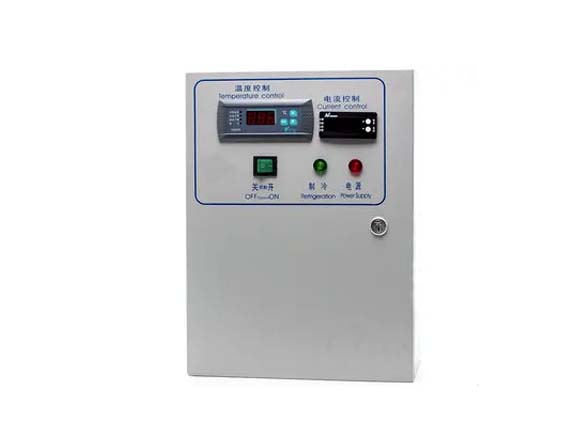
Understanding Automatic Changeover Switches in Cold Room Control Panels
A changeover switch, also known as a transfer switch, is an electrical device designed to redirect a load from one power source or circuit to another. In cold room applications, these switches are integrated into the control panel to manage two primary scenarios: power source切换 (between mains power and backup generators) and operational mode切换 (between heating, cooling, or defrost cycles). Unlike manual changeover switches that require human intervention, automatic variants leverage sensors and control algorithms to detect anomalies—such as power outages, voltage fluctuations, or temperature deviations—and initiate a seamless transition without operator input .
The core functionality of an automatic changeover switch relies on a sophisticated contact mechanism and sensing system. The contact system comprises multiple stationary (fixed) contacts and movable contacts mounted on a rotating shaft. When triggered, the shaft rotates to disconnect the load from the primary source and connect it to the secondary source, ensuring no simultaneous connection (a critical safety feature to prevent short circuits or backfeeding) . For cold room control panels, this switching process must be instantaneous to avoid temperature fluctuations that could compromise stored goods, especially in freezers or pharmaceutical cold rooms where strict temperature ranges are mandatory.
Types of Automatic Changeover Switches for Cold Room Control Panels
Automatic changeover switches for cold rooms are classified based on their power capacity, operational logic, and application scenarios. The following table outlines the most common types, their key features, and ideal use cases in cold storage facilities:
|
Switch Type
|
Key Features
|
Operational Logic
|
Ideal Cold Room Applications
|
|
Automatic Transfer Switch (ATS) – Power Source
|
3-phase/1-phase compatibility, IP65 protection rating, padlocking feature, 400,000+ mechanical operations lifespan
|
Monitors mains voltage; switches to backup generator within 0.5-2 seconds of grid failure; reverts to mains when power is restored
|
Large cold storage warehouses, pharmaceutical cold rooms, and facilities with critical temperature-sensitive inventory
|
|
Mode Changeover Switch – Heating/Cooling
|
Integrated temperature sensor, adjustable switching differential, compatibility with 2-pipe HVAC systems
|
Switches between heating and cooling modes based on room/return air temperature; activates defrost cycles to prevent coil freezing
|
Walk-in coolers, food processing cold rooms, and seasonal storage facilities with variable temperature needs
|
|
Magnetic Changeover Switch
|
Electromagnetic actuation, high precision, suitable for low-voltage control circuits
|
Triggered by electrical signals from the cold room controller; ensures rapid, vibration-resistant switching
|
Laboratory cold rooms, medical refrigeration units, and precision-controlled storage facilities
|
|
Double Pole Double Throw (DPDT) Changeover Switch
|
Switches both live and neutral wires simultaneously, complete circuit isolation, compact design
|
Manages dual-load circuits (e.g., primary and backup evaporator fans); prevents cross-circuit contamination
|
Small-scale cold rooms, convenience store coolers, and modular cold storage units
|
Key Considerations for Selecting the Right Switch
Selecting an appropriate automatic changeover switch for a cold room control panel requires a thorough assessment of operational requirements, environmental conditions, and safety standards. The following factors are non-negotiable for optimal performance:
1. Power Capacity and Compatibility
The switch must match the cold room’s electrical load, including evaporator fans, compressors, defrost heaters, and control systems. For 3-phase cold rooms, a 3-pole ATS with a rated operational current (Ie) of 10-20A (depending on load size) is recommended, such as the Eaton Moeller Series T0 switch, which supports up to 690V AC and 20A current . Smaller walk-in coolers may utilize 1-phase DPDT switches with lower current ratings.
2. Environmental Durability
Cold rooms are characterized by low temperatures, high humidity, and potential condensation—factors that can degrade electrical components. Switches with an IP65 protection rating (front side) are ideal, as they resist dust and water ingress. Additionally, the switch should operate reliably within a temperature range of -25°C to 50°C, ensuring functionality in both freezer and cooler environments .
3. Switching Speed and Precision
Temperature-sensitive goods (e.g., vaccines, fresh produce) require minimal downtime during power transitions. Automatic transfer switches should complete source切换 in under 2 seconds to prevent temperature spikes or drops. For mode changeover switches, adjustable switching differentials (e.g., 0.5-4K for cooling/heating) allow fine-tuning to meet specific storage requirements .
4. Safety Features
Backfeeding prevention is critical to protect utility workers and equipment during generator operation. Switches with padlocking features (lockable in the “off” position) add an extra layer of safety during maintenance. Compliance with international standards—such as IEC/EN 60947-3 for low-voltage switches—ensures adherence to global safety protocols .
5. Integration with Control Systems
The switch should seamlessly integrate with the cold room’s microprocessor-based control panel (e.g., Parker Sporlan CRC) for remote monitoring and automated operation. Compatibility with Modbus® communication protocols enables real-time data tracking of switching events, simplifying troubleshooting and maintenance .
Installation and Maintenance Best Practices
Proper installation and regular maintenance are essential to maximize the lifespan and reliability of automatic changeover switches. The following table summarizes critical installation steps and maintenance schedules:
|
Task Category
|
Critical Steps
|
Frequency
|
Safety/Performance Notes
|
|
Installation
|
1. Mount the switch in a protected location (away from condensation and electromagnetic interference). 2. Ensure 10”x6” mounting clearance for wiring and maintenance. 3. Connect wires to terminals (max torque 1 Nm) per local regulations. 4. Test switching logic with a load simulator before full operation.
|
One-time (during system setup)
|
Use waterproof connectors in wet areas; only qualified electricians should perform installation .
|
|
Routine Maintenance
|
1. Inspect contacts for corrosion or wear. 2. Clean switch housing and terminals with a dry cloth. 3. Verify switching differential and sensor accuracy. 4. Test backup generator integration and auto-revert functionality.
|
Monthly
|
Avoid using abrasive cleaners; calibrate temperature sensors annually for precision.
|
|
Preventive Maintenance
|
1. Lubricate rotating shafts (if applicable) with silicone-based lubricant. 2. Tighten terminal screws to prevent loose connections. 3. Replace worn contacts or switches with OEM parts. 4. Update control panel firmware to optimize switching algorithms.
|
Quarterly
|
Document all maintenance activities for regulatory compliance (e.g., FDA, HACCP).
|
|
Troubleshooting
|
1. Check for voltage fluctuations if switching is erratic. 2. Inspect wiring for short circuits or insulation damage. 3. Test sensor functionality with a multimeter. 4. Reset the switch to factory settings if software glitches occur.
|
On-demand (when issues arise)
|
Isolate power before troubleshooting; keep spare switches on hand for emergency replacements.
|
Real-World Applications and Benefits
Automatic changeover switches are indispensable in diverse cold storage scenarios, delivering tangible benefits to operators. In large-scale food distribution centers, power source ATS switches ensure that compressors and fans continue operating during grid outages, preventing spoilage of thousands of dollars’ worth of inventory. For pharmaceutical cold rooms storing vaccines, mode changeover switches maintain strict temperature ranges (2-8°C) by automatically adjusting heating/cooling cycles and activating defrost modes to prevent coil icing .
In seasonal cold storage facilities, these switches optimize energy efficiency by transitioning between modes based on ambient temperature changes. For example, during winter months, the switch may prioritize heating to prevent freezing, while in summer, it shifts to cooling mode to maintain freshness. Additionally, magnetic changeover switches in laboratory cold rooms ensure precision control, supporting research and development activities that require stable low-temperature environments .
Beyond operational continuity, automatic changeover switches reduce labor costs by eliminating the need for manual intervention during power outages or mode transitions. They also extend equipment lifespan by preventing abrupt shutdowns and voltage surges, reducing the frequency of repairs and replacements.
Emerging Trends and Future Outlook
The cold storage industry is witnessing rapid technological advancements, and automatic changeover switches are evolving to meet modern demands. Integration with IoT (Internet of Things) platforms allows remote monitoring of switching events, enabling operators to track performance in real time and receive alerts for anomalies via mobile devices. Smart switches with AI-driven algorithms can predict potential failures based on usage patterns, enabling proactive maintenance and minimizing downtime.
Another trend is the shift toward energy-efficient designs, with manufacturers developing switches that reduce power consumption during standby mode. Additionally, compatibility with renewable energy sources (e.g., solar-powered backup generators) is becoming increasingly important as cold storage facilities strive to reduce their carbon footprint.
Conclusion
Automatic cold room control panel changeover switches are the unsung heroes of cold storage operations, ensuring continuous power supply, precise temperature control, and operational safety. By understanding the different types of switches, selecting the right device based on specific requirements, and following best practices for installation and maintenance, cold storage operators can protect their inventory, optimize efficiency, and comply with regulatory standards. As technology advances, these switches will become even more intelligent and integrated, further enhancing the reliability and sustainability of cold storage systems.
Investing in a high-quality automatic changeover switch is not just a cost-saving measure—it is a strategic decision that safeguards the core of cold storage operations. Whether for a small walk-in cooler or a large-scale pharmaceutical warehouse, the right switch can make all the difference in maintaining product quality and operational continuity.
Post time:Sep-25-2020


