

Cold Room Compressor Types Explained: A Complete Guide for Businesses
If you’re in the food and beverage, pharmaceutical, or logistics industry, you know that a cold room is more than just a storage space—it’s a critical asset that preserves product quality, extends shelf life, and ensures compliance with safety regulations. At the heart of every reliable cold room lies its compressor: the “engine” that drives the refrigeration cycle, removes heat from the interior, and maintains consistent, precise temperatures. But with so many cold room compressor types available on the market, choosing the right one for your specific needs can feel overwhelming.
Should you opt for a piston compressor for your small grocery store’s cold room? Is a screw compressor better suited for a large-scale(cold chain) warehouse? What about (scroll) or centrifugal compressors—when do those come into play? In this comprehensive blog post, we’ll break down every major type of cold room compressor, explain how they work, their key advantages and disadvantages, ideal applications, and critical factors to consider when selecting one. By the end, you’ll have the knowledge to make an informed decision that balances efficiency, cost, and long-term reliability.
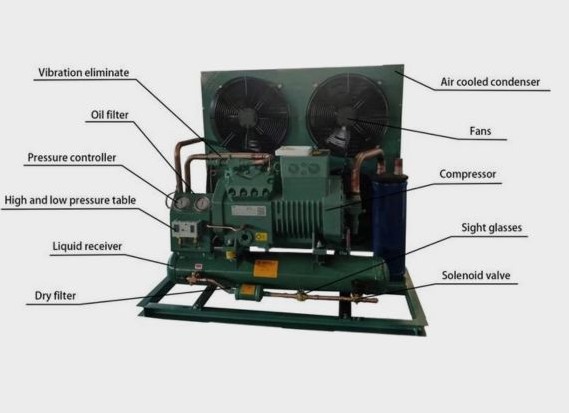
Cold Room Compressor Types: An Overview
Before diving into the details of each compressor type, it’s important to understand the role of a cold room compressor in the refrigeration system. Simply put, the compressor is responsible for compressing low-pressure, low-temperature refrigerant vapor into high-pressure, high-temperature vapor. This process is the first step in the refrigeration cycle, which also includes condensation, expansion, and evaporation. Without a properly functioning compressor, your cold room will fail to maintain the required temperature, leading to product spoilage, financial losses, and potential compliance issues.
The primary cold room compressor types used in commercial and industrial settings today are: Piston (Reciprocating) Compressors, Screw Compressors, Scroll Compressors, and Centrifugal Compressors. Each type operates on a different mechanical principle, making them suitable for specific cold room sizes, temperature requirements, and operational demands. We’ll explore each one in depth, including their design, functionality, pros and cons, and real-world applications.
Understanding the Core Problem: Why Choosing the Right Compressor Matters
Selecting the wrong cold room compressor is a costly mistake that many businesses make. A compressor that’s too small for your cold room will struggle to keep up with the cooling demand, leading to frequent overworking, higher energy bills, and premature wear and tear. Conversely, a compressor that’s too large will cycle on and off unnecessarily (short cycling), which also wastes energy, reduces efficiency, and shortens the compressor’s lifespan.
Additionally, different cold rooms have different temperature requirements: a walk-in cooler for produce might need to maintain temperatures between 0°C and 5°C, while a deep-freeze cold room for frozen meats could require temperatures as low as -25°C or even -40°C. Some cold rooms handle high humidity, while others need to operate in harsh industrial environments. Each compressor type has unique capabilities when it comes to temperature range, humidity control, and operational efficiency—so matching the compressor to your specific cold room needs is critical.
Another key consideration is energy efficiency. Cold rooms are energy-intensive, and the compressor accounts for a significant portion of the total energy consumption. Choosing an energy-efficient compressor can reduce your monthly utility bills and lower your carbon footprint, which is not only good for the environment but also for your bottom line. With rising energy costs and increasing pressure to adopt sustainable practices, selecting the right compressor has never been more important.
Finally, maintenance and reliability are paramount. A compressor that requires frequent repairs or has a short lifespan will disrupt your operations, lead to costly downtime, and put your stored products at risk. Different compressor types have varying maintenance needs—some are easy to service with readily available parts, while others require specialized technicians and expensive components. Understanding these differences will help you plan for long-term maintenance costs and ensure minimal operational disruptions.
Detailed Explanation of Each Cold Room Compressor Type
Now that we’ve established why choosing the right compressor is critical, let’s dive into the details of each major cold room compressor type. We’ll cover how each one works, their key features, advantages, disadvantages, and ideal applications to help you determine which is best for your business.
1. Piston (Reciprocating) Compressors: The “Workhorse” of Small to Medium Cold Rooms
Piston compressors—also known as reciprocating compressors—are the most common type of cold room compressor, especially for small to medium-sized cold rooms. They operate on a simple mechanical principle: a piston moves back and forth inside a cylinder, compressing the refrigerant vapor. The piston is driven by a crankshaft, which is powered by an electric motor. As the piston moves downward, it draws in low-pressure refrigerant vapor from the evaporator; as it moves upward, it compresses the vapor into high-pressure, high-temperature vapor, which is then sent to the condenser.
Piston compressors are available in two main configurations: open-type and hermetic (sealed) type. Open-type piston compressors have a separate motor and compressor, making them easy to service and repair. Hermetic piston compressors have the motor and compressor sealed in a single unit, which reduces noise and prevents refrigerant leaks, but they are more difficult to service if they fail.
Key Advantages of Piston Compressors:
- Affordability: Piston compressors are one of the most cost-effective options on the market, making them ideal for small businesses with limited budgets.
- Versatility: They can handle a wide range of temperature requirements, from medium-temperature cold rooms (0°C to 10°C) to low-temperature freezers (-18°C to -25°C).
- Easy Maintenance: Open-type piston compressors are easy to access and service, with readily available parts that are affordable and easy to replace.
- Proven Reliability: Piston compressors have been used in refrigeration systems for decades, and their design is well-tested and reliable. They can withstand heavy use and harsh conditions, making them a popular choice for small to medium cold rooms.
Key Disadvantages of Piston Compressors:
- Noise and Vibration: Piston compressors produce more noise and vibration than other types, which can be a problem if the cold room is located near customer areas or offices.
- Lower Efficiency at High Loads: While piston compressors are efficient for small to medium cold rooms, they become less efficient when used in large cold rooms or under high load conditions. They also have a lower coefficient of performance (COP) compared to screw or scroll compressors.
- Short Cycling Risk: If the compressor is oversized for the cold room, it can short cycle (turn on and off frequently), which reduces efficiency and shortens the compressor’s lifespan.
- Wear and Tear: The piston and cylinder components experience wear over time, which can lead to reduced performance and the need for frequent maintenance.
Ideal Applications for Piston Compressors: Small to medium-sized cold rooms, such as walk-in coolers for restaurants, grocery stores, and small food processing facilities; low-temperature freezers for small-scale frozen food storage; and mobile cold rooms. They are also a good choice for businesses that prioritize affordability and easy maintenance over high efficiency.
2. Screw Compressors: The “Stable Performer” for Large Cold Rooms
Screw compressors are designed for large-scale cold rooms and industrial refrigeration systems. Unlike piston compressors, which use a reciprocating piston, screw compressors use two interlocking helical rotors (known as male and female rotors) to compress the refrigerant vapor. As the rotors rotate, they create a series of decreasing volume chambers, which compress the refrigerant vapor as it moves from the inlet to the outlet.
Screw compressors are available in two main types: oil-injected and oil-free. Oil-injected screw compressors use oil to lubricate the rotors, cool the refrigerant, and seal the gaps between the rotors. They are more efficient and durable than oil-free models, but they require regular oil changes and maintenance. Oil-free screw compressors do not use oil, making them ideal for applications where oil contamination is a concern (such as pharmaceutical cold rooms), but they are more expensive and less efficient.
Key Advantages of Screw Compressors:
- High Efficiency: Screw compressors have a higher COP than piston compressors, making them more energy-efficient, especially for large cold rooms and high-load applications. They can also operate at partial loads without a significant drop in efficiency.
- Low Noise and Vibration: Compared to piston compressors, screw compressors are much quieter and produce less vibration, making them suitable for cold rooms located near offices or customer areas.
- Durability and Long Lifespan: Screw compressors have fewer moving parts than piston compressors, which reduces wear and tear and extends their lifespan. They can operate continuously for long periods without frequent maintenance.
- Wide Capacity Range: Screw compressors are available in a wide range of capacities, from small industrial units to large-scale compressors for massive cold storage warehouses and冷链 (cold chain) facilities.
Key Disadvantages of Screw Compressors:
- Higher Initial Cost: Screw compressors are more expensive than piston compressors, making them less ideal for small businesses with limited budgets.
- Complex Maintenance: Oil-injected screw compressors require regular oil changes and maintenance, and the parts are more expensive than piston compressor parts. They also require specialized technicians for repairs.
- Not Ideal for Small Cold Rooms: Screw compressors are designed for large-scale applications, so using them in small cold rooms would be inefficient and costly.
Ideal Applications for Screw Compressors: Large cold storage warehouses, food processing plants, pharmaceutical cold rooms, and冷链 (cold chain) facilities. They are also a good choice for businesses that prioritize energy efficiency, low noise, and long-term reliability, and have the budget to invest in a higher-quality compressor.
3. Scroll Compressors: The “Efficient Choice” for Medium to Large Cold Rooms
Scroll compressors are a relatively modern type of compressor that has gained popularity in recent years due to their high efficiency and low noise. They operate using two spiral-shaped scrolls: one fixed scroll and one orbiting scroll. As the orbiting scroll moves around the fixed scroll, it creates a series of small, decreasing volume chambers that compress the refrigerant vapor. Unlike piston compressors, scroll compressors have no valves or reciprocating parts, which reduces wear and tear and improves reliability.
Scroll compressors are typically hermetic (sealed), which means the motor and compressor are enclosed in a single unit. This design reduces noise, prevents refrigerant leaks, and simplifies installation. They are available in both single-stage and two-stage models, with two-stage models offering higher efficiency and better performance for low-temperature applications.
Key Advantages of Scroll Compressors:
- High Energy Efficiency: Scroll compressors have a higher COP than piston compressors and are comparable to screw compressors in terms of efficiency. They are especially efficient at partial loads, making them ideal for cold rooms with variable cooling demands.
- Low Noise and Vibration: Scroll compressors are extremely quiet and produce very little vibration, making them suitable for cold rooms located in commercial buildings, offices, or areas where noise is a concern.
- Simple Design and Reliability: With no valves or reciprocating parts, scroll compressors have fewer moving parts than piston compressors, which reduces the risk of breakdowns and extends their lifespan. They also require less maintenance than screw compressors.
- Good for Low-Temperature Applications: Two-stage scroll compressors are well-suited for low-temperature cold rooms (down to -40°C), making them a popular choice for frozen food storage and pharmaceutical cold rooms.
Key Disadvantages of Scroll Compressors:
- Higher Initial Cost: Scroll compressors are more expensive than piston compressors, although they are often more affordable than screw compressors.
- Limited Capacity: While scroll compressors are available in a range of capacities, they are not ideal for extremely large cold rooms (such as massive cold storage warehouses) where screw compressors are more suitable.
- Difficult to Service: Hermetic scroll compressors are sealed, which makes them difficult to service if they fail. In most cases, the entire compressor unit must be replaced, which can be costly.
Ideal Applications for Scroll Compressors: Medium to large cold rooms, such as walk-in coolers and freezers for supermarkets, food processing plants, and pharmaceutical facilities; cold rooms with variable cooling demands; and applications where low noise and high efficiency are priorities. They are also a good choice for businesses that want a balance between efficiency, reliability, and cost.
4. Centrifugal Compressors: The “Heavy-Duty Option” for Ultra-Large Cold Rooms
Centrifugal compressors are the largest and most powerful type of cold room compressor, designed for ultra-large-scale refrigeration systems. They operate using a rotating impeller that accelerates the refrigerant vapor, creating centrifugal force that compresses the vapor. The compressed vapor is then directed through a diffuser, which converts the kinetic energy of the vapor into pressure energy.
Centrifugal compressors are typically used in industrial applications and are not commonly found in small or medium-sized cold rooms. They are available in single-stage and multi-stage models, with multi-stage models offering higher pressure and efficiency for extremely low-temperature applications. Unlike other compressor types, centrifugal compressors are oil-free, which makes them ideal for applications where oil contamination is a major concern.
Key Advantages of Centrifugal Compressors:
- Extremely High Capacity: Centrifugal compressors can handle very large cooling loads, making them ideal for ultra-large cold storage warehouses, industrial refrigeration systems, and large-scale冷链 (cold chain) facilities.
- High Efficiency at Full Load: At full load, centrifugal compressors have a very high COP, making them extremely energy-efficient for large-scale applications.
- Oil-Free Operation: Centrifugal compressors do not use oil, which eliminates the risk of oil contamination and makes them suitable for pharmaceutical cold rooms, food processing facilities, and other applications where purity is critical.
- Low Noise and Vibration: Like screw and scroll compressors, centrifugal compressors are quiet and produce very little vibration, even at high capacities.
Key Disadvantages of Centrifugal Compressors:
- Very High Initial Cost: Centrifugal compressors are the most expensive type of compressor, making them only feasible for large businesses with significant budgets.
- Poor Efficiency at Partial Loads: Centrifugal compressors are inefficient at partial loads, which can be a problem if the cold room has variable cooling demands.
- Complex Design and Maintenance: Centrifugal compressors have a complex design and require specialized technicians for installation, maintenance, and repairs. They also have a longer lead time for replacement parts.
- Not Suitable for Small or Medium Cold Rooms: Centrifugal compressors are designed for ultra-large-scale applications, so using them in small or medium cold rooms would be extremely inefficient and costly.
Ideal Applications for Centrifugal Compressors: Ultra-large cold storage warehouses, industrial refrigeration systems, large-scale food processing plants, and pharmaceutical cold rooms with extremely high cooling demands. They are also a good choice for businesses that prioritize oil-free operation, high efficiency at full load, and have the budget to invest in a heavy-duty compressor.
Comparison Table: Cold Room Compressor Types
To help you quickly compare the different cold room compressor types, we’ve created a detailed table outlining their key features, advantages, disadvantages, ideal applications, and typical capacity ranges. This table will serve as a quick reference guide to help you narrow down your options based on your specific needs.
|
Compressor Type
|
Key Design
|
Capacity Range
|
Temperature Range
|
Efficiency (COP)
|
Noise Level
|
Advantages
|
Disadvantages
|
Ideal Applications
|
|---|---|---|---|---|---|---|---|---|
|
Piston (Reciprocating)
|
Reciprocating piston in cylinder; open or hermetic
|
0.5 – 50 HP
|
-25°C to 10°C
|
Medium (2.5 – 3.5)
|
High (65 – 85 dB)
|
Affordable, versatile, easy maintenance, proven reliability
|
Noisy, lower efficiency at high loads, short cycling risk, wear and tear
|
Small to medium cold rooms, restaurants, grocery stores, small food processing
|
|
Screw
|
Interlocking helical rotors; oil-injected or oil-free
|
20 – 500 HP
|
-40°C to 10°C
|
High (3.5 – 5.0)
|
Low (55 – 70 dB)
|
High efficiency, low noise/vibration, durable, wide capacity range
|
High initial cost, complex maintenance, not ideal for small cold rooms
|
Large cold storage, food processing plants, pharmaceutical cold rooms, cold chain facilities
|
|
Scroll
|
Fixed and orbiting scrolls; hermetic
|
5 – 150 HP
|
-40°C to 10°C
|
High (3.5 – 4.8)
|
Very Low (50 – 65 dB)
|
High efficiency, low noise/vibration, simple design, reliable, good for low temps
|
Higher initial cost, limited capacity, difficult to service
|
Medium to large cold rooms, supermarkets, pharmaceutical facilities, variable load applications
|
|
Centrifugal
|
Rotating impeller; oil-free
|
100 – 2000+ HP
|
-50°C to 10°C
|
Very High (4.0 – 6.0) at full load
|
Low (50 – 70 dB)
|
Extremely high capacity, oil-free, high efficiency at full load, low noise
|
Very high initial cost, poor efficiency at partial loads, complex maintenance, not for small/medium cold rooms
|
Ultra-large cold storage, industrial refrigeration, large-scale food processing, high-purity applications
|
Note: COP (Coefficient of Performance) values are approximate and may vary based on the manufacturer, model, and operating conditions. Noise levels are measured at a distance of 1 meter from the compressor.
Frequently Asked Questions (FAQ) About Cold Room Compressors
We’ve compiled a list of the most common questions businesses have about cold room compressors to help you address any additional concerns you may have. Whether you’re unsure about maintenance, energy efficiency, or how to choose the right compressor, these FAQs will provide the answers you need.
Q1: How do I determine the right compressor size for my cold room?
A: The size of the compressor you need depends on several factors, including the size of your cold room (square footage and height), the desired temperature, the type of products you’re storing, the ambient temperature of the location, and the insulation quality of the cold room. To determine the correct size, you’ll need to calculate the cooling load (in BTU or tons) of your cold room. This can be done by a professional refrigeration technician, who will consider all these factors and recommend the appropriate compressor capacity. Avoid guessing the size—an undersized or oversized compressor will lead to inefficiency, higher costs, and premature wear.
Q2: What is the difference between a hermetic and open-type compressor?
A: Hermetic compressors have the motor and compressor sealed in a single unit, which prevents refrigerant leaks and reduces noise. They are easier to install but more difficult to service—if the motor or compressor fails, the entire unit must be replaced. Open-type compressors have a separate motor and compressor, which makes them easy to service and repair. You can replace individual components (such as the motor or piston) without replacing the entire unit. Open-type compressors are more common in small to medium cold rooms, while hermetic compressors are popular in larger cold rooms and applications where noise is a concern.
Q3: How often should I maintain my cold room compressor?
A: The maintenance frequency depends on the type of compressor, the operating conditions, and the manufacturer’s recommendations. In general, piston compressors should be inspected and maintained every 3 – 6 months, while screw and scroll compressors can go 6 – 12 months between maintenance checks. Key maintenance tasks include checking refrigerant levels, cleaning the condenser and evaporator coils, changing the oil (for oil-injected compressors), inspecting electrical connections, and checking for leaks. Regular maintenance will extend the compressor’s lifespan, improve efficiency, and prevent costly breakdowns.
Q4: Which compressor type is the most energy-efficient?
A: Centrifugal compressors have the highest COP at full load, making them the most energy-efficient for ultra-large cold rooms. However, they are only feasible for large-scale applications. For medium to large cold rooms, screw and scroll compressors are the most energy-efficient, with COP values between 3.5 and 5.0. Piston compressors are less efficient but more affordable, making them a good choice for small cold rooms with limited budgets. When comparing energy efficiency, be sure to look at the COP rating and consider the operating conditions—some compressors are more efficient at partial loads, while others perform better at full load.
Q5: Can I use a piston compressor for a low-temperature cold room (-25°C or lower)?
A: Yes, piston compressors can be used for low-temperature cold rooms, but they are less efficient than screw or scroll compressors in this range. For temperatures below -25°C, a two-stage piston compressor or a scroll/screw compressor is recommended. Two-stage piston compressors compress the refrigerant in two stages, which improves efficiency and performance in low-temperature applications. However, if you’re storing products at extremely low temperatures (-40°C or lower), a screw or centrifugal compressor is the better choice.
Q6: What are the signs that my cold room compressor is failing?
A: Common signs of a failing compressor include: inconsistent temperature in the cold room, increased energy bills, unusual noises (such as knocking, squealing, or humming), frequent cycling on and off, frost buildup on the compressor or refrigerant lines, and reduced cooling capacity. If you notice any of these signs, it’s important to have a professional technician inspect the compressor immediately. Delaying repairs can lead to complete compressor failure, which will result in costly downtime and product spoilage.
Q7: Are oil-free compressors necessary for pharmaceutical cold rooms?
A: Yes, oil-free compressors are highly recommended for pharmaceutical cold rooms. Pharmaceutical products are sensitive to contamination, and even small amounts of oil can compromise their quality and safety. Oil-free compressors (such as scroll or centrifugal compressors) eliminate the risk of oil contamination, making them ideal for storing medications, vaccines, and other pharmaceutical products. Oil-injected compressors (such as piston or screw compressors) can be used, but they require a high-quality oil separator to prevent oil from entering the refrigeration system.
Conclusion: Choosing the Right Cold Room Compressor for Your Business
Selecting the right cold room compressor is a critical decision that will impact your business’s efficiency, costs, and product quality. There is no “one-size-fits-all” solution—each compressor type has its own strengths and weaknesses, and the best choice depends on your specific needs, including the size of your cold room, desired temperature, budget, and maintenance capabilities.
To summarize: Piston compressors are the most affordable and versatile option for small to medium cold rooms, but they are noisier and less efficient at high loads. Screw compressors are ideal for large cold rooms and industrial applications, offering high efficiency, low noise, and durability, but they come with a higher initial cost. Scroll compressors provide a balance of efficiency, reliability, and low noise, making them a great choice for medium to large cold rooms with variable cooling demands. Centrifugal compressors are the heavy-duty option for ultra-large cold rooms, offering extremely high capacity and oil-free operation, but they are the most expensive and require complex maintenance.
When choosing a cold room compressor, it’s important to work with a professional refrigeration technician who can assess your cold room’s cooling load, recommend the appropriate compressor type and size, and ensure proper installation and maintenance. Investing in the right compressor will not only save you money on energy bills and maintenance costs but also ensure that your cold room operates reliably, preserving your products and keeping your business running smoothly.
Remember, your cold room compressor is the heart of your refrigeration system—choose wisely, and it will serve your business well for years to come.
Contact Us for Expert Cold Room Compressor Advice
If you’re still unsure which cold room compressor type is right for your business, or if you need help with installation, maintenance, or repairs, our team of refrigeration experts is here to help. With years of experience in the industry, we specialize in helping businesses of all sizes select, install, and maintain cold room compressors that meet their unique needs.
Whether you’re building a new cold room, upgrading your existing system, or troubleshooting a compressor issue, we can provide personalized advice and solutions to ensure your refrigeration system operates efficiently and reliably. Contact us today to speak with one of our experts and get a free consultation.
Contact Information:
Email: info@aircoolingtech.com
Website: https://www.aircoolingtech.com/
Post time:Sep-25-2020
