

Introduction to the Question
In the global cold storage industry, which is critical for preserving food, pharmaceuticals, and other temperature-sensitive products, the evaporator stands as an unsung hero. Yet, despite its central role in maintaining the low-temperature environments that protect billions of dollars’ worth of goods annually, many people—including some professionals new to the (cold chain) sector—lack a clear understanding of what an evaporator is, how it works, and why it matters. As cold storage facilities become increasingly sophisticated, with demands for energy efficiency, precise temperature control, and scalability, the evaporator’s importance only grows. This blog aims to demystify the evaporator in cold storage, breaking down its definition, working principles, types, key specifications, common challenges, and maintenance best practices. Whether you’re a cold storage operator, a logistics manager, a student of refrigeration technology, or simply curious about how your favorite frozen foods stay fresh, this comprehensive guide will answer all your questions about this vital component.
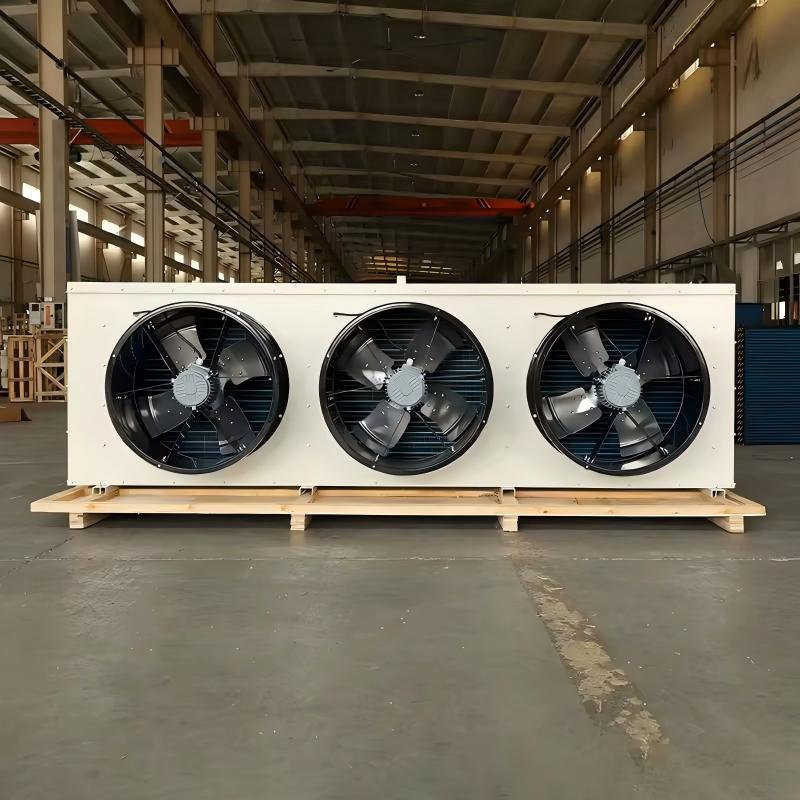
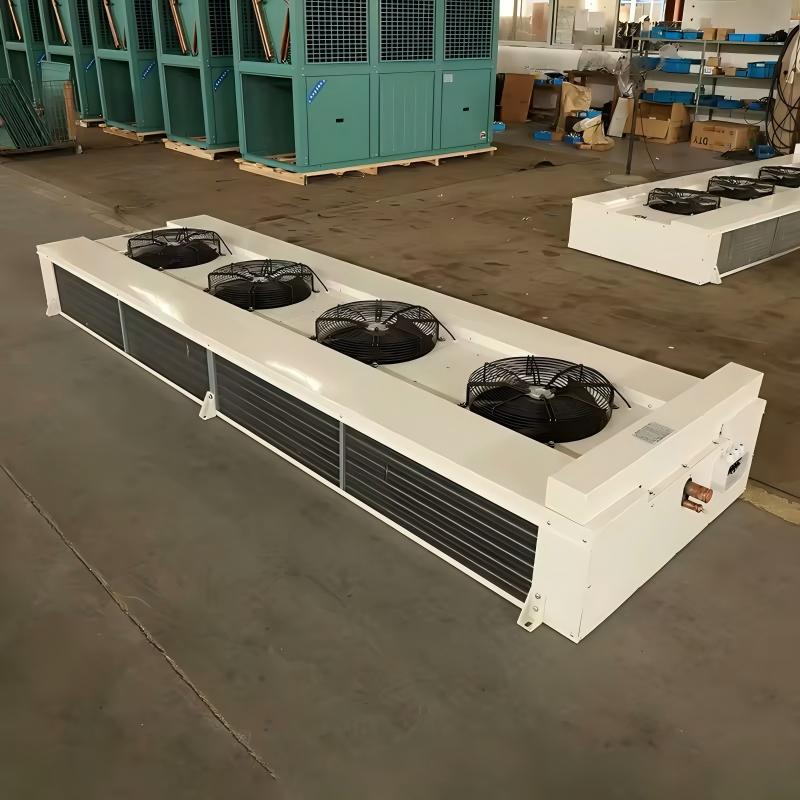
First, let’s set the stage: cold storage facilities rely on a closed refrigeration system to remove heat from the storage space, ensuring that products remain within a safe temperature range. This system is often referred to as the “heart” of cold storage, and within this system, the evaporator is the “cold source” that directly interacts with the stored goods. Unlike compressors (the “engine” of the system) or condensers (the “heat dissipators”), the evaporator is the component that actually delivers the cooling effect to the storage area. Without a properly functioning evaporator, even the most powerful compressor and most efficient condenser would fail to keep the cold storage facility at the required temperature, leading to product spoilage, financial losses, and potential safety hazards.
To put the evaporator’s role in perspective, consider the scale of the cold storage industry. According to industry reports, the global cold storage market is projected to grow at a CAGR of over 10% through 2030, driven by the increasing demand for frozen and refrigerated food, the expansion of the pharmaceutical cold chain, and the rise of e-commerce grocery delivery. Every one of these facilities—from small walk-in freezers to large-scale distribution centers—relies on an evaporator to function. In fact, the efficiency of the evaporator directly impacts the overall energy consumption of the cold storage facility: a poorly maintained or improperly sized evaporator can increase energy costs by 15-25%, while a well-optimized one can significantly reduce operational expenses and carbon emissions.
In this blog, we will start by defining what an evaporator in cold storage is, then dive into its working principles, explore the different types of evaporators used in various cold storage applications, present key data and specifications in a clear table, address common FAQs, and conclude with insights into the future of evaporator technology in cold storage. By the end, you will have a thorough understanding of this critical component and its role in keeping the cold storage industry running smoothly.
Detailed Explanation
To fully understand the evaporator in cold storage, we need to break down its definition, working principles, key components, types, and factors that influence its performance. Let’s start with the basics.
1. Definition of a Cold Storage Evaporator
An evaporator in cold storage is a heat exchanger that facilitates the transfer of heat from the cold storage space (and the products within it) to a refrigerant, which then carries the heat out of the facility. In simpler terms, the evaporator is the component that “cools” the cold storage room by absorbing heat from the air and the stored goods, using the refrigerant as a medium to remove that heat from the system. It is the final link in the refrigeration cycle that directly impacts the temperature of the storage environment.
Unlike residential or commercial air conditioning evaporators, which are designed to cool occupied spaces, cold storage evaporators are engineered to operate at much lower temperatures (ranging from -40°C for deep-freeze facilities to 10°C for refrigerated storage) and handle larger heat loads. They must also be durable enough to withstand harsh conditions, such as high humidity, frequent temperature fluctuations, and exposure to food particles or pharmaceutical products.
2. Working Principles of a Cold Storage Evaporator
The evaporator operates based on the fundamental principle of phase change: when a liquid refrigerant is exposed to a warmer environment, it absorbs heat and evaporates (turns into a gas). This process is the reverse of condensation, where a gas loses heat and turns into a liquid. In the context of cold storage, the evaporator leverages this principle to remove heat from the storage space, as follows:
Step 1: The refrigeration cycle begins with the compressor, which compresses low-pressure, low-temperature refrigerant gas into high-pressure, high-temperature gas. This compressed gas is then sent to the condenser, where it loses heat to the outside environment and condenses into a high-pressure liquid refrigerant.
Step 2: The high-pressure liquid refrigerant then passes through a throttling device (such as an expansion valve or capillary tube), which reduces its pressure and temperature. This process converts the liquid refrigerant into a low-pressure, low-temperature mist or spray, which is then fed into the evaporator.
Step 3: Inside the evaporator, the low-temperature refrigerant mist comes into contact with the warmer air in the cold storage room. The air in the storage space (which contains heat from the stored products, the walls, and any outside air that enters the facility) transfers its heat to the refrigerant. As the refrigerant absorbs this heat, it evaporates, turning into a low-pressure gas.
Step 4: The now-gaseous refrigerant is sucked back into the compressor, and the cycle repeats. This continuous loop of evaporation and condensation ensures that heat is constantly removed from the cold storage space, maintaining the desired low temperature.
A key point to note is that the evaporator does not “create” cold; instead, it removes heat. Cold is simply the absence of heat, so by removing heat from the storage space, the evaporator creates the cold environment needed to preserve products. The efficiency of this heat transfer process depends on several factors, including the surface area of the evaporator, the flow rate of the refrigerant, the temperature difference between the refrigerant and the air, and the cleanliness of the evaporator coils.
3. Key Components of a Cold Storage Evaporator
A typical cold storage evaporator consists of several key components that work together to facilitate heat transfer and ensure efficient operation. These components include:
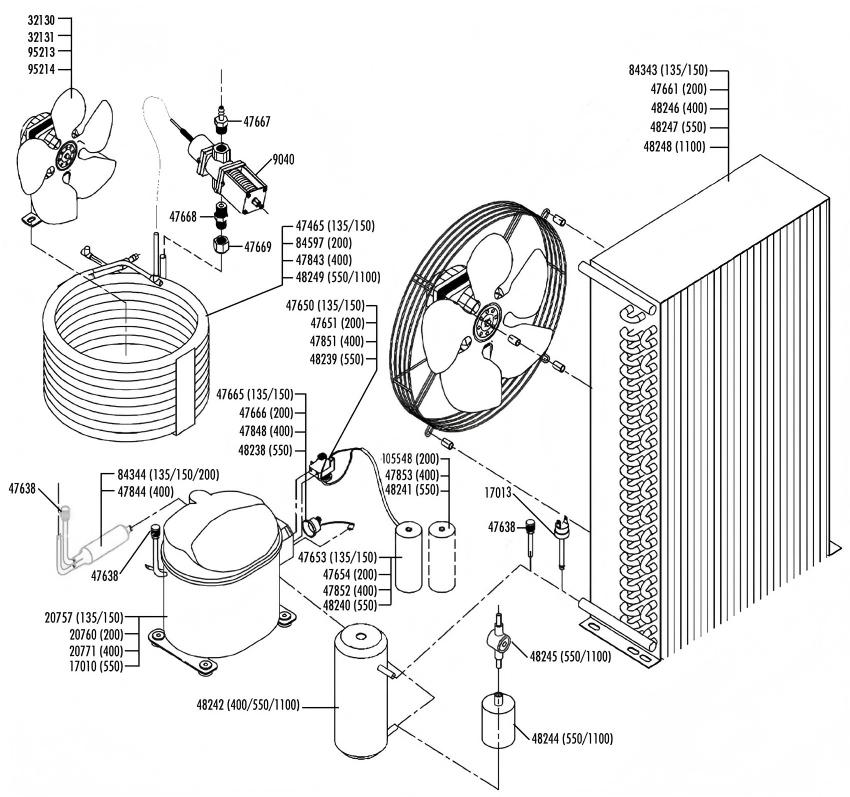
• Coils: The coils are the core of the evaporator, consisting of a series of tubes (usually made of copper or aluminum) that carry the refrigerant. The tubes are often finned—equipped with thin, metal fins—to increase the surface area available for heat transfer. Fins are critical because they allow the refrigerant to absorb more heat from the air in the storage space, improving the evaporator’s efficiency. The type and density of the fins vary depending on the application: for example, low-temperature evaporators may have fewer fins to prevent frost buildup, while high-humidity applications may have specialized fins to reduce condensation.
• Fans: Fans are used to circulate the air in the cold storage room over the evaporator coils. This forced air circulation ensures that the warm air in the storage space comes into contact with the cold coils, facilitating heat transfer. Without fans, the air around the coils would cool down and become stagnant, reducing the evaporator’s efficiency. Cold storage evaporators typically use high-efficiency, low-noise fans that are designed to operate at low temperatures without freezing or malfunctioning. Some evaporators also have variable-speed fans that adjust their speed based on the temperature of the storage space, optimizing energy consumption.
• Drain Pan and Drain Line: As the warm air in the storage space comes into contact with the cold evaporator coils, moisture in the air condenses on the coils. This condensation (or frost, in low-temperature applications) drips into a drain pan located below the coils. The drain line carries this condensed water out of the evaporator and the cold storage facility, preventing water buildup that could damage the evaporator or the stored products. In low-temperature evaporators, the drain pan may be heated to prevent the condensed water from freezing and blocking the drain line.
• Defrost System: Frost buildup on the evaporator coils is a common problem in cold storage, especially in low-temperature facilities (below 0°C). Frost acts as an insulator, reducing the heat transfer efficiency of the coils and increasing energy consumption. To address this, most cold storage evaporators are equipped with a defrost system. There are several types of defrost systems, including electric defrost (using electric heating elements to melt frost), hot gas defrost (using hot refrigerant gas from the compressor to melt frost), and water defrost (using warm water to spray the coils). The type of defrost system used depends on the temperature of the storage space, the humidity level, and the type of refrigerant being used.
• Refrigerant Inlet and Outlet: The refrigerant inlet connects the evaporator to the throttling device, allowing the low-pressure, low-temperature refrigerant to enter the coils. The refrigerant outlet connects the evaporator to the compressor, allowing the now-gaseous refrigerant to be sucked back into the compressor to continue the refrigeration cycle. These connections are typically made of copper tubing and are sealed to prevent refrigerant leaks, which can reduce the efficiency of the system and harm the environment.
4. Types of Evaporators Used in Cold Storage
Not all cold storage evaporators are the same. Different types of evaporators are designed for different applications, based on factors such as the temperature of the storage space, the type of product being stored, the size of the facility, and the desired energy efficiency. The main types of evaporators used in cold storage are:
• Direct Expansion (DX) Evaporators: Direct expansion evaporators are the most common type of evaporator used in cold storage. In a DX system, the refrigerant flows directly through the evaporator coils, absorbing heat from the air in the storage space and evaporating. DX evaporators are known for their high efficiency, precise temperature control, and compact design, making them ideal for small to medium-sized cold storage facilities, such as walk-in freezers, convenience store coolers, and small distribution centers. They are also easy to install and maintain. DX evaporators can be further classified into two subtypes: finned coil evaporators (used for forced air circulation) and bare tube evaporators (used for natural convection, often in low-humidity applications).
• Flooded Evaporators: Flooded evaporators are designed for large-scale cold storage facilities, such as industrial freezers and large distribution centers. In a flooded system, the evaporator coils are completely filled with liquid refrigerant, which evaporates as it absorbs heat from the air. Flooded evaporators have a larger heat transfer surface area than DX evaporators, making them more efficient for high heat load applications. They also have a lower pressure drop, which reduces energy consumption. However, flooded evaporators are more complex to install and maintain, and they require a larger volume of refrigerant. They are often used in facilities that store large quantities of frozen food or require very low temperatures (below -20°C).
• Indirect Evaporators: Indirect evaporators are used in applications where the refrigerant does not come into direct contact with the air in the storage space. Instead, the refrigerant flows through a heat exchanger, which transfers heat to a secondary fluid (such as brine or glycol). This secondary fluid then flows through coils in the cold storage space, absorbing heat from the air. Indirect evaporators are ideal for facilities that require strict hygiene standards, such as pharmaceutical cold storage or food processing facilities, because they prevent refrigerant leaks from contaminating the stored products. They are also useful in facilities where the storage space is large or has complex layouts, as the secondary fluid can be distributed to multiple coils throughout the facility.
• Plate Evaporators: Plate evaporators are compact, efficient evaporators that consist of a series of thin, metal plates (usually stainless steel or aluminum) with channels for the refrigerant and the air. The plates are stacked together, creating a large heat transfer surface area in a small space. Plate evaporators are ideal for small cold storage facilities, such as refrigerated display cases in grocery stores or small walk-in coolers. They are also easy to clean and maintain, making them suitable for food storage applications where hygiene is critical.
• Tube-in-Tube Evaporators: Tube-in-tube evaporators consist of two concentric tubes: the inner tube carries the refrigerant, and the outer tube carries the secondary fluid (such as brine or glycol). Heat is transferred between the refrigerant and the secondary fluid through the walls of the inner tube. Tube-in-tube evaporators are used in indirect refrigeration systems, particularly in large-scale cold storage facilities where the secondary fluid is used to distribute cold to multiple areas. They are known for their high heat transfer efficiency and durability, making them suitable for harsh industrial environments.
5. Factors Influencing Evaporator Performance
The performance of a cold storage evaporator is influenced by several key factors, which must be considered when selecting, installing, and maintaining the evaporator. These factors include:
• Temperature Range: The temperature of the cold storage space is one of the most important factors influencing evaporator performance. Evaporators are designed to operate within specific temperature ranges: low-temperature evaporators (for freezers) are designed to operate at -40°C to 0°C, while medium-temperature evaporators (for refrigerated storage) are designed to operate at 0°C to 10°C. Using an evaporator outside of its designed temperature range can reduce its efficiency and lead to premature failure.
• Heat Load: The heat load of the cold storage facility refers to the total amount of heat that needs to be removed from the storage space. This includes heat from the stored products, heat from the walls and ceiling of the facility, heat from outside air entering the facility (through doors, vents, or cracks), and heat from equipment (such as fans or lights). The evaporator must be sized to handle the maximum heat load of the facility; an undersized evaporator will not be able to keep the storage space at the desired temperature, while an oversized evaporator will waste energy.
• Refrigerant Type: The type of refrigerant used in the refrigeration system affects the performance of the evaporator. Different refrigerants have different boiling points, heat capacities, and pressure-temperature relationships. For example, R-404A is a common refrigerant used in low-temperature cold storage, while R-134a is used in medium-temperature applications. The evaporator must be designed to work with the specific refrigerant being used to ensure optimal heat transfer and efficiency.
• Airflow Rate: The airflow rate over the evaporator coils is critical for heat transfer. A higher airflow rate increases the amount of air that comes into contact with the coils, improving heat transfer efficiency. However, too high an airflow rate can increase energy consumption and noise. The airflow rate is determined by the size and speed of the evaporator fans, and it must be balanced to ensure optimal performance.
• Cleanliness: The cleanliness of the evaporator coils and fins is essential for efficient heat transfer. Dust, dirt, food particles, and frost buildup on the coils act as insulators, reducing the amount of heat that can be transferred from the air to the refrigerant. Regular cleaning and maintenance of the evaporator are necessary to prevent buildup and ensure optimal performance.
• Defrost Cycles: As mentioned earlier, frost buildup on the evaporator coils can reduce efficiency. The frequency and duration of defrost cycles must be optimized to melt frost without disrupting the temperature of the storage space. Too frequent defrost cycles can increase energy consumption, while too infrequent defrost cycles can lead to excessive frost buildup and reduced efficiency.
Data and Tables
To provide a clear overview of the key specifications and performance metrics of different types of cold storage evaporators, we’ve compiled the following table. This table compares the main types of evaporators, their key features, typical applications, temperature ranges, energy efficiency, and maintenance requirements. All data is based on industry standards and common practice in the cold storage sector.
|
Evaporator Type
|
Key Features
|
Typical Applications
|
Temperature Range
|
Energy Efficiency (COP*)
|
Maintenance Requirements
|
|---|---|---|---|---|---|
|
Direct Expansion (DX) Finned Coil
|
Finned coils for increased surface area; forced air circulation; compact design; direct refrigerant-air contact
|
Walk-in freezers, convenience store coolers, small distribution centers, refrigerated display cases
|
-40°C to 10°C
|
3.0 - 4.5
|
Regular coil cleaning; defrost cycle maintenance; fan inspection; refrigerant leak checks
|
|
Flooded
|
Coils fully filled with refrigerant; large heat transfer surface area; low pressure drop; high heat load capacity
|
Industrial freezers, large distribution centers, bulk food storage
|
-40°C to -10°C
|
3.5 - 5.0
|
Regular coil cleaning; refrigerant level checks; defrost system maintenance; pump inspection (if applicable)
|
|
Indirect (Brine/Glycol)
|
Refrigerant-secondary fluid heat transfer; no direct refrigerant-air contact; hygienic design
|
Pharmaceutical cold storage, food processing facilities, large-scale cold storage with multiple zones
|
-30°C to 15°C
|
2.8 - 4.0
|
Coil cleaning; secondary fluid level and quality checks; heat exchanger inspection; leak checks
|
|
Plate
|
Compact design; stacked metal plates; high heat transfer efficiency; easy to clean
|
Small walk-in coolers, refrigerated display cases, food service facilities
|
-10°C to 10°C
|
3.2 - 4.2
|
Regular plate cleaning; fan maintenance; defrost cycle checks
|
|
Tube-in-Tube
|
Concentric tubes; refrigerant-secondary fluid heat transfer; durable; high heat transfer efficiency
|
Large industrial cold storage, indirect refrigeration systems, harsh environments
|
-40°C to 5°C
|
3.0 - 4.8
|
Tube cleaning; secondary fluid checks; leak inspection; corrosion prevention
|
*COP (Coefficient of Performance) is a measure of the evaporator’s energy efficiency, calculated as the ratio of heat removed (cooling output) to the energy input (electricity used). A higher COP indicates a more efficient evaporator. Note that COP values can vary based on operating conditions, refrigerant type, and maintenance status.
Additional Key Data:
- Frost Buildup Impact: A frost layer of just 1mm on the evaporator coils can reduce heat transfer efficiency by 10-15%. A frost layer of 5mm can reduce efficiency by 30-40%.
- Energy Savings: Regular maintenance of the evaporator (including cleaning and defrost optimization) can reduce energy consumption by 15-25%.
- Refrigerant Leaks: A 10% refrigerant leak can reduce evaporator efficiency by 20-30%, while also increasing environmental impact.
- Fan Efficiency: High-efficiency evaporator fans can reduce energy consumption by 10-15% compared to standard fans.
- Heat Load Calculation: For a typical cold storage facility storing frozen food, the heat load is approximately 100-150 W per square meter of storage space. For refrigerated storage (0°C to 10°C), the heat load is approximately 50-100 W per square meter.
FAQ (Frequently Asked Questions)
To address common questions about cold storage evaporators, we’ve compiled this FAQ section. These questions are based on the most common inquiries from cold storage operators, logistics managers, and industry professionals.
Q1: What is the difference between a cold storage evaporator and a residential AC evaporator?
A1: The main difference lies in their design and operating conditions. Cold storage evaporators are engineered to operate at much lower temperatures (-40°C to 10°C) compared to residential AC evaporators (which operate at 18°C to 26°C). They also have larger heat transfer surfaces, more robust defrost systems, and are designed to handle higher humidity levels and larger heat loads. Additionally, cold storage evaporators are often made of more durable materials (such as stainless steel) to withstand harsh storage environments, while residential AC evaporators are typically made of copper or aluminum for cost-effectiveness. Finally, cold storage evaporators may use different refrigerants (such as R-404A or R-507A) that are suitable for low-temperature applications, while residential AC evaporators use refrigerants like R-410A or R-134a.
Q2: How often should I clean my cold storage evaporator?
A2: The frequency of cleaning depends on the type of cold storage facility, the products being stored, and the operating conditions. In general, evaporators should be cleaned at least once every 3-6 months. However, facilities that store dusty or oily products (such as meat processing facilities) or have high humidity levels may need to clean the evaporator more frequently (once every 1-2 months). Signs that your evaporator needs cleaning include reduced cooling efficiency, increased energy consumption, frost buildup on the coils, and uneven temperature distribution in the storage space. When cleaning, it’s important to use a non-corrosive cleaner and avoid damaging the fins or coils.
Q3: What happens if the evaporator is undersized or oversized?
A3: An undersized evaporator will not be able to handle the heat load of the cold storage facility, leading to insufficient cooling. This can result in the storage space being too warm, product spoilage, increased energy consumption (as the compressor runs continuously to try to maintain the desired temperature), and premature wear and tear on the compressor. An oversized evaporator, on the other hand, will cycle on and off frequently (short cycling), which reduces energy efficiency and can also cause premature wear on the compressor. Short cycling can also lead to uneven temperature distribution in the storage space, as the evaporator does not run long enough to circulate cold air evenly. To avoid these issues, the evaporator must be sized correctly based on the heat load of the facility.
Q4: What type of defrost system is best for my cold storage evaporator?
A4: The best defrost system depends on the temperature of your cold storage facility and your energy efficiency goals. Electric defrost is the most common type for small to medium-sized facilities, as it is simple to install and maintain. However, it is less energy-efficient than hot gas defrost. Hot gas defrost is more energy-efficient, as it uses waste heat from the compressor to melt frost, and it is ideal for large-scale facilities or low-temperature applications (below -20°C). Water defrost is suitable for facilities with high humidity levels, as it can quickly melt frost and clean the coils at the same time. It is often used in food processing facilities where hygiene is critical. When selecting a defrost system, consider factors such as the temperature range, humidity level, energy costs, and maintenance requirements.
Q5: Can I use any refrigerant with my cold storage evaporator?
A5: No, you cannot use any refrigerant with your cold storage evaporator. Evaporators are designed to work with specific refrigerants, based on their boiling points, heat capacities, and pressure-temperature relationships. Using the wrong refrigerant can reduce the evaporator’s efficiency, damage the compressor, and lead to refrigerant leaks. For example, using a medium-temperature refrigerant (such as R-134a) in a low-temperature evaporator (designed for R-404A) will result in insufficient cooling and increased energy consumption. Before changing the refrigerant, consult the evaporator manufacturer’s specifications and a qualified refrigeration technician to ensure compatibility.
Q6: How do I know if my evaporator is malfunctioning?
A6: There are several signs that your evaporator is malfunctioning, including: (1) The cold storage space is not reaching or maintaining the desired temperature. (2) Energy consumption has increased significantly (without a corresponding increase in heat load). (3) Frost buildup on the coils is excessive or not melting during defrost cycles. (4) The evaporator fans are not running or are running at reduced speed. (5) There is a refrigerant leak (indicated by a drop in refrigerant pressure, hissing sounds, or oil stains around the evaporator connections). (6) The evaporator is making unusual noises (such as rattling or squealing). If you notice any of these signs, it’s important to contact a qualified refrigeration technician to inspect and repair the evaporator.
Q7: What is the lifespan of a cold storage evaporator?
A7: The lifespan of a cold storage evaporator depends on several factors, including the type of evaporator, the operating conditions, the frequency of maintenance, and the quality of the installation. In general, a well-maintained evaporator can last 10-15 years. However, evaporators in harsh environments (such as high-humidity or high-dust facilities) may have a shorter lifespan (5-10 years), while those in well-maintained facilities with moderate operating conditions can last 15-20 years. Regular maintenance (including cleaning, defrost system checks, and refrigerant leak checks) is key to extending the lifespan of the evaporator.
Q8: How can I improve the energy efficiency of my cold storage evaporator?
A8: There are several ways to improve the energy efficiency of your cold storage evaporator, including: (1) Regular cleaning and maintenance to prevent frost buildup and ensure optimal heat transfer. (2) Optimizing defrost cycles to reduce energy consumption (e.g., adjusting the frequency and duration of defrost cycles based on humidity and temperature). (3) Installing high-efficiency fans to reduce energy usage. (4) Ensuring proper airflow over the coils (e.g., checking fan speed and removing any obstructions). (5) Using a variable-speed drive (VSD) for the evaporator fans, which adjusts fan speed based on the temperature of the storage space. (6) Selecting the right type and size of evaporator for your facility’s heat load. (7) Using environmentally friendly, high-efficiency refrigerants. By implementing these measures, you can reduce energy consumption by 15-25% and lower your operational costs.
Conclusion
The evaporator is a critical component of any cold storage facility, serving as the “cold source” that directly removes heat from the storage space and preserves temperature-sensitive products. From its role in the refrigeration cycle to its various types, key components, and performance factors, the evaporator plays a vital role in ensuring the efficiency, reliability, and safety of cold storage operations. As the cold storage industry continues to grow and evolve, the demand for more efficient, durable, and sustainable evaporators will only increase.
In this blog, we’ve covered everything you need to know about cold storage evaporators: their definition, working principles, key components, types, and factors that influence their performance. We’ve also provided a detailed table of specifications, addressed common FAQs, and shared insights into how to maintain and optimize evaporator performance. By understanding the evaporator’s role and how to care for it, cold storage operators can reduce energy costs, extend the lifespan of their equipment, and ensure that their stored products remain safe and fresh.
Looking to the future, advances in technology will continue to improve evaporator efficiency and sustainability. For example, the development of smart defrost systems that use sensors to adjust defrost cycles based on real-time conditions, the use of eco-friendly refrigerants, and the integration of IoT (Internet of Things) technology to monitor and optimize evaporator performance remotely. These innovations will help the cold storage industry meet the growing demand for temperature-sensitive products while reducing its environmental impact.
In summary, the evaporator is not just a component of the refrigeration system—it is the backbone of cold storage. Without it, the global cold chain would collapse, and billions of dollars’ worth of food, pharmaceuticals, and other products would be lost. By investing in the right evaporator, maintaining it properly, and staying informed about the latest technological advances, cold storage operators can ensure the long-term success of their facilities and contribute to a more efficient, sustainable cold chain industry.
Contact Information:
Email: info@aircoolingtech.com
Website: https://www.aircoolingtech.com/
Post time:Sep-25-2020
