

The Critical Role of Cold Storage Refrigeration in Modern Supply Chains
In an era where global supply chains stretch across continents, consumer demand for fresh, high-quality perishables is soaring, and pharmaceutical advancements require precise temperature control, cold storage refrigeration has emerged as an indispensable backbone of modern commerce. From preserving fresh produce harvested in remote regions to ensuring life-saving vaccines remain viable during transport, cold storage refrigeration is not just a convenience—it is a critical infrastructure that impacts food security, public health, and economic stability worldwide. As the global population grows, urbanization accelerates, and e-commerce for food and pharmaceuticals expands, the demand for efficient, reliable, and sustainable cold storage solutions continues to rise. This blog explores the core challenges facing cold storage refrigeration, delves into key technologies and best practices, presents critical industry data, answers common questions, and outlines the future of this vital sector.
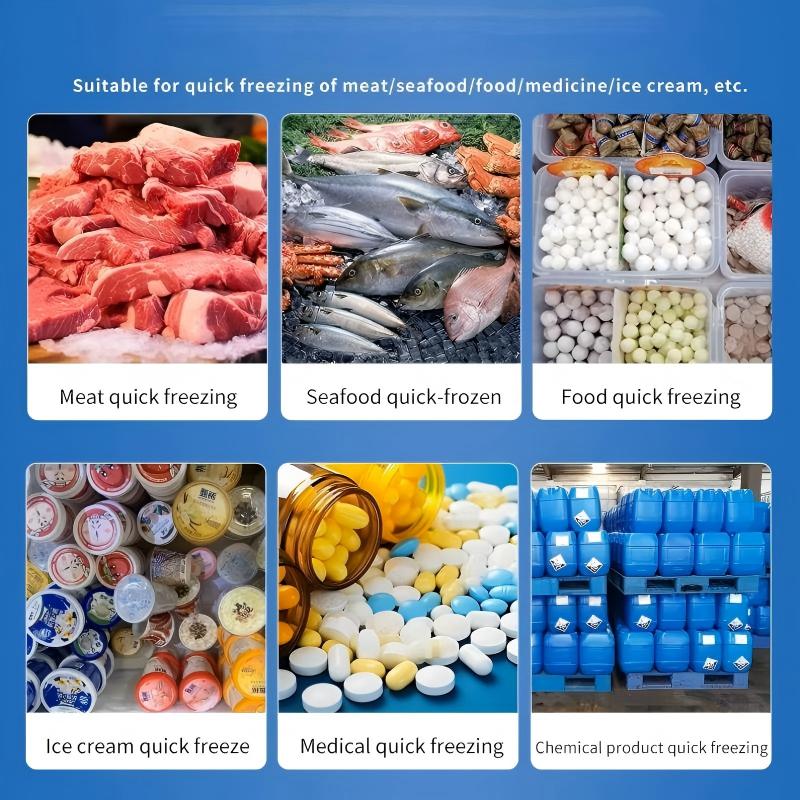
The Core Challenges of Cold Storage Refrigeration: Why It’s More Than Just “Keeping Things Cold”
While the primary goal of cold storage refrigeration is to maintain stable, low temperatures to preserve the quality and safety of stored goods, achieving this efficiently and consistently is fraught with challenges. Unlike standard refrigeration systems (such as household fridges or commercial coolers), cold storage facilities must handle large volumes of goods, maintain precise temperature ranges (often varying by product type), and operate 24/7/365—all while managing high energy costs and complying with strict regulatory standards. Below is a detailed breakdown of the most pressing challenges facing cold storage operators today, along with their underlying causes and implications.
Detailed Explanation of Cold Storage Refrigeration Challenges
1. Energy Efficiency and Cost Management
Cold storage refrigeration is one of the most energy-intensive industries globally. According to industry research, refrigeration accounts for 40-60% of a cold storage facility’s total energy consumption, with compressors, fans, and defrost systems being the primary energy hogs. This high energy usage translates to significant operational costs—for many facilities, energy bills represent 20-30% of total operating expenses. The challenge is compounded by rising global energy prices and increasing pressure to reduce carbon footprints, as cold storage facilities are responsible for a notable share of industrial greenhouse gas emissions. Many older facilities rely on outdated refrigeration technologies (such as single-stage compressors or inefficient insulation) that further exacerbate energy waste, making it difficult for operators to balance cost, performance, and sustainability.
2. Temperature Precision and Consistency
Different products require vastly different temperature ranges to maintain their quality and safety, and even minor fluctuations can lead to spoilage, contamination, or product loss. For example, fresh fruits and vegetables typically require temperatures between 0°C and 15°C (chilled), while frozen foods need -18°C to -25°C, and deep-frozen products (such as certain pharmaceuticals or specialty foods) require -25°C or lower. Vaccines and biopharmaceuticals often have even stricter requirements—many vaccines must be stored at 2°C to 8°C, with no deviations, to remain effective. The challenge lies in maintaining these precise temperatures across large storage spaces, especially when facilities are frequently accessed (e.g., during loading/unloading), which can cause cold air loss and temperature spikes. Poor airflow, inadequate insulation, or malfunctioning sensors can also lead to temperature inconsistencies, putting valuable inventory at risk.
3. Regulatory Compliance and Safety Standards
Cold storage operators are subject to a complex web of local, national, and international regulations designed to ensure the safety of stored goods—particularly food and pharmaceuticals. For food storage, regulations such as the U.S. Food and Drug Administration (FDA) Food Safety Modernization Act (FSMA) and the European Union’s (EU) Food Hygiene Regulation require strict temperature monitoring, record-keeping, and traceability. For pharmaceutical storage, compliance with Good Distribution Practices (GDP) and Good Manufacturing Practices (GMP) is mandatory, with requirements for 24/7 temperature monitoring, backup power systems, and detailed audit trails. Non-compliance can result in fines, product recalls, loss of certification, and even legal liability. The challenge is staying up-to-date with evolving regulations, implementing robust monitoring systems, and ensuring all staff are trained to maintain compliance.
4. Equipment Maintenance and Reliability
Cold storage refrigeration systems are complex, consisting of compressors, condensers, evaporators, fans, sensors, and control systems—all of which must operate seamlessly to maintain temperature stability. Any equipment failure (e.g., a broken compressor or faulty sensor) can lead to rapid temperature increases, resulting in costly product loss. Regular maintenance is essential, but it can be time-consuming and expensive, especially for large facilities with multiple refrigeration units. Many operators struggle with reactive maintenance (fixing problems after they occur) rather than proactive maintenance (preventing issues before they arise), which can lead to unplanned downtime and higher repair costs. Additionally, the shortage of skilled technicians trained in cold storage refrigeration technologies further complicates maintenance efforts.
5. Sustainability and Environmental Impact
Traditional cold storage refrigeration systems often rely on synthetic refrigerants (such as hydrofluorocarbons, HFCs) that have high global warming potential (GWP) and ozone-depleting potential (ODP). As governments worldwide implement regulations to phase out these harmful refrigerants (e.g., the Montreal Protocol and the Kigali Amendment), operators face the challenge of transitioning to more sustainable alternatives (such as natural refrigerants like ammonia, carbon dioxide, or propane) while maintaining system efficiency and performance. Additionally, cold storage facilities generate significant waste (e.g., packaging materials, spoiled products) and consume large amounts of water for cleaning and defrosting, further adding to their environmental footprint. Balancing sustainability goals with operational needs is a key challenge for modern cold storage operators.
Key Data and Statistics: Cold Storage Refrigeration Industry Overview
To better understand the scale and importance of the cold storage refrigeration industry, below is a table of key market data, growth projections, and industry trends, sourced from leading market research firms including Grand View Research, Future Market Insights, and industry reports.
|
Metric
|
Current Data (2025)
|
Forecast Data (2030)
|
Key Notes
|
|---|---|---|---|
|
Global Cold Storage Market Size
|
~$200 billion
|
~$427.6 billion
|
CAGR of 18.1% between 2025-2030; driven by e-commerce growth and increasing demand for perishables
|
|
Global Cold Storage Equipment Market Size
|
$57.7 billion
|
$78.7 billion (2030); $107.4 billion (2035)
|
CAGR of 6.4% between 2025-2035; freezers dominate with 36.2% market share in 2025
|
|
Global Cold Storage Capacity
|
7.2 billion cubic meters
|
~9.5 billion cubic meters
|
亚太地区 contributes over 40% of new capacity; North America and Europe focus on modernization
|
|
Energy Consumption per Cold Storage Facility
|
15-25 kWh per square meter per day
|
10-18 kWh per square meter per day
|
Reduction driven by energy-efficient technologies and sustainable refrigerants
|
|
Temperature Range Segments (Market Share, 2025)
|
Frozen (-18°C to -25°C): 61.6%; Chilled (0°C-15°C): 28.3%; Deep Frozen (-25°C+): 10.1%
|
Frozen: 65.2%; Chilled: 26.8%; Deep Frozen: 8.0%
|
Frozen segment growth driven by increasing demand for frozen foods and ready-to-eat meals
|
|
Top Growth Drivers
|
E-commerce for food/pharmaceuticals, urbanization, growing middle class
|
Same as current, plus AI/automation adoption and sustainability regulations
|
亚太地区 is the fastest-growing region due to rising consumer demand
|
|
Top Challenges Facing Operators
|
Energy costs (20-30% of operating expenses), refrigerant transition, regulatory compliance
|
Same as current, plus skilled labor shortage and extreme weather events
|
Sustainability and energy efficiency remain top priorities through 2030
|
Frequently Asked Questions (FAQ) About Cold Storage Refrigeration
Below are answers to the most common questions about cold storage refrigeration, covering everything from operational best practices to technology trends and regulatory compliance.
Q1: What is the difference between cold storage and refrigerated storage?
While the terms are often used interchangeably, there is a subtle difference: refrigerated storage typically refers to short-term storage (days to weeks) at temperatures above freezing (0°C to 15°C), used for fresh produce, dairy products, and beverages. Cold storage is a broader term that includes both refrigerated storage and frozen storage (temperatures below freezing, -18°C or lower), and is often used for long-term storage (weeks to months) of frozen foods, pharmaceuticals, and other temperature-sensitive products. Cold storage facilities are also typically larger and more specialized, with advanced temperature control and monitoring systems.
Q2: What are the most common refrigerants used in cold storage, and how are they changing?
Traditional cold storage systems have relied on synthetic refrigerants like HFCs (e.g., R-404A, R-134a) due to their high efficiency and stability. However, these refrigerants have high GWP and are being phased out under global regulations like the Kigali Amendment. Today, the industry is transitioning to natural refrigerants, including ammonia (NH3), carbon dioxide (CO2), and propane (R-290). Ammonia is highly efficient and has zero GWP, making it ideal for large cold storage facilities, but it is toxic and requires careful handling. CO2 is non-toxic, non-flammable, and has a low GWP, making it suitable for medium-sized facilities and retail cold storage. Propane is cost-effective and has a low GWP but is flammable, so it is used primarily in small to medium-sized facilities with proper safety measures.
Q3: How can cold storage operators reduce energy consumption?
There are several strategies to reduce energy consumption in cold storage facilities:
1. Upgrade to energy-efficient equipment: Replace outdated compressors with variable-speed compressors, which adjust their speed based on cooling demand, reducing energy waste.
2. Improve insulation: Use high-quality insulation materials (e.g., polyurethane foam) for walls, floors, and ceilings to minimize cold air loss.
3. Optimize airflow: Ensure proper airflow throughout the facility to avoid temperature hotspots and reduce the workload on refrigeration systems.
4. Implement smart monitoring: Use IoT sensors and AI-driven control systems to monitor temperature, humidity, and energy usage in real time, allowing operators to identify inefficiencies and adjust settings accordingly.
5. Use natural refrigerants: Natural refrigerants like ammonia and CO2 are more energy-efficient than synthetic alternatives.
6. Optimize loading/unloading: Minimize the time cold storage doors are open (e.g., use air curtains, rapid doors) to reduce cold air loss and temperature spikes.
Q4: What are the key regulatory requirements for cold storage of food and pharmaceuticals?
For food storage, key regulations include:
- FDA FSMA (U.S.): Requires temperature monitoring, traceability, and preventive controls to ensure food safety.
- EU Food Hygiene Regulation: Mandates strict temperature control, hygiene standards, and record-keeping for food storage and transport.
- Global Food Safety Initiative (GFSI): A voluntary certification program that sets global standards for food safety management systems.
For pharmaceutical storage, key regulations include:
- GDP (Good Distribution Practices): Requires precise temperature control (often 2°C to 8°C for vaccines), 24/7 monitoring, backup power, and detailed audit trails.
- GMP (Good Manufacturing Practices): Ensures that pharmaceuticals are stored in conditions that maintain their quality and efficacy.
- FDA and EMA (European Medicines Agency) guidelines: Mandate compliance with temperature monitoring and reporting requirements for pharmaceutical storage and transport.
Q5: How is technology transforming cold storage refrigeration?
Technology is driving significant innovation in cold storage refrigeration:
1. IoT and smart monitoring: IoT sensors collect real-time data on temperature, humidity, and energy usage, allowing operators to monitor facilities remotely and receive alerts for temperature deviations or equipment failures.
2. AI and machine learning: AI-driven systems analyze data to optimize refrigeration system performance, predict equipment failures, and reduce energy consumption.
3. Automation: Automated storage and retrieval systems (AS/RS), AGVs (Automated Guided Vehicles), and robotic picking systems reduce manual labor, improve efficiency, and minimize human error.
4. Sustainable refrigerants: The transition to natural refrigerants (ammonia, CO2) is being supported by advances in refrigerant system design and safety technology.
5. Renewable energy integration: Many cold storage facilities are integrating solar panels, wind energy, and geothermal systems to reduce reliance on fossil fuels and lower carbon footprints.
Q6: What are the common causes of product loss in cold storage, and how can they be prevented?
The most common causes of product loss in cold storage are:
1. Temperature fluctuations: Caused by door openings, equipment failures, poor insulation, or inadequate airflow. Prevention: Implement smart monitoring systems, optimize door usage, and maintain equipment regularly.
2. Equipment failure: Malfunctioning compressors, sensors, or fans can lead to rapid temperature increases. Prevention: Adopt proactive maintenance schedules and install backup systems (e.g., backup generators, redundant refrigeration units).
3. Human error: Incorrect temperature settings, improper loading/unloading, or failure to monitor systems. Prevention: Train staff on proper procedures, implement automated monitoring, and establish clear protocols for temperature control.
4. Contamination: For food and pharmaceuticals, cross-contamination from other products or poor hygiene can render inventory unsafe. Prevention: Implement strict hygiene protocols, separate storage areas for different product types, and regularly clean and sanitize facilities.
Conclusion: The Future of Cold Storage Refrigeration—Efficiency, Sustainability, and Innovation
Cold storage refrigeration is a critical component of modern supply chains, and its importance will only grow as global demand for perishables, pharmaceuticals, and temperature-sensitive products continues to rise. The industry faces significant challenges—from high energy costs and regulatory compliance to refrigerant transitions and equipment reliability—but these challenges are also driving innovation. As technology advances, cold storage facilities are becoming more efficient, sustainable, and intelligent, with IoT, AI, and automation playing key roles in optimizing performance and reducing environmental impact.
The transition to natural refrigerants, the adoption of energy-efficient technologies, and the integration of renewable energy sources will be critical to meeting sustainability goals and reducing the industry’s carbon footprint. Additionally, the growing focus on traceability and transparency—driven by regulatory requirements and consumer demand—will require cold storage operators to invest in advanced monitoring and data management systems.
For businesses relying on cold storage refrigeration, staying ahead of industry trends, investing in modern technologies, and prioritizing sustainability and compliance will be essential to success. By addressing the core challenges and embracing innovation, cold storage operators can not only reduce costs and minimize product loss but also contribute to a more sustainable and resilient global supply chain. 
Post time:Sep-25-2020
