

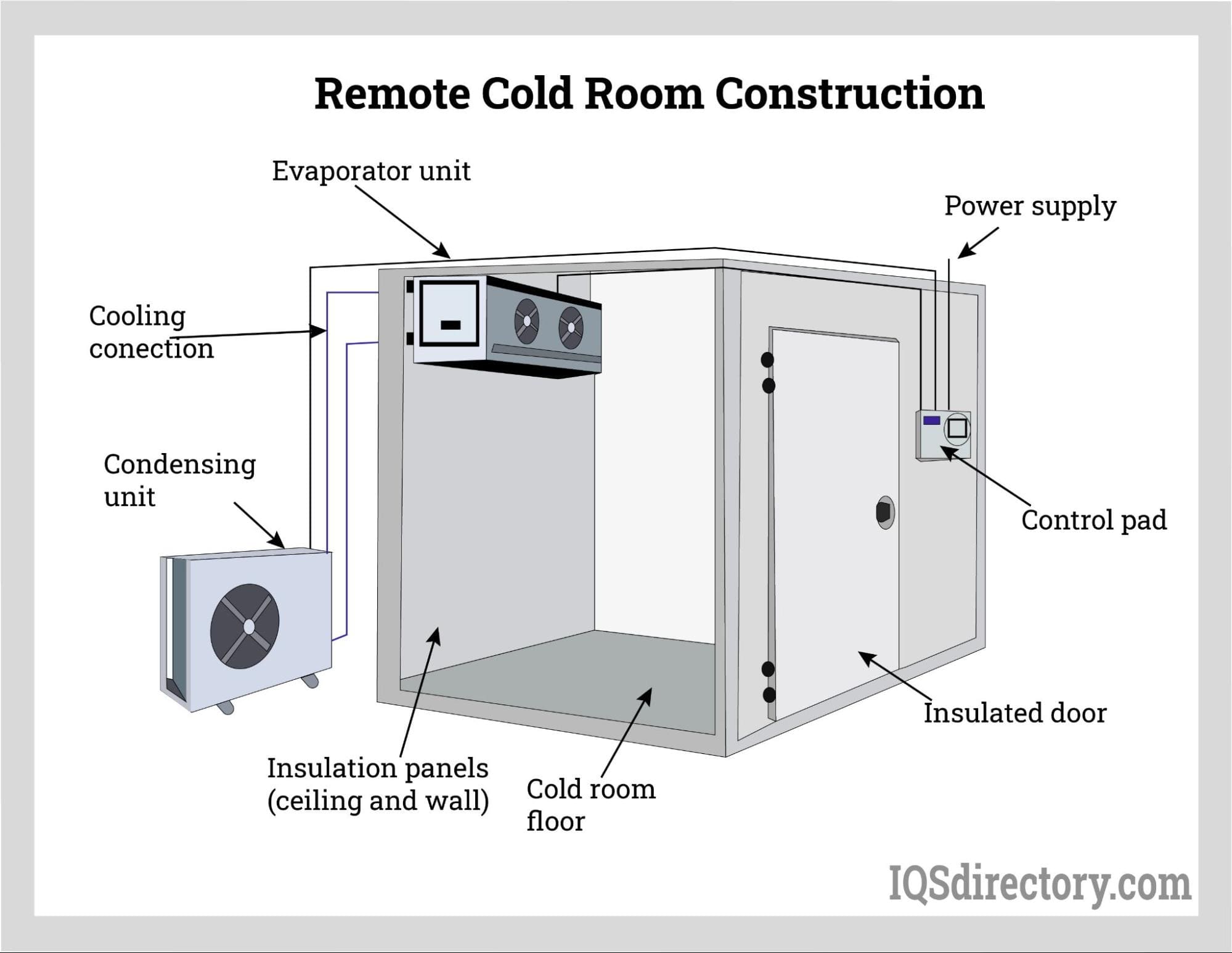
Cold storage systems are designed to maintain a stable low-temperature environment for food, pharmaceuticals, frozen products, flowers, chemicals, and other temperature-sensitive goods. When the temperature inside a cold room rises suddenly, even for a short period, the consequences can be serious. Product quality may decline, shelf life may shorten, microbial activity may increase, and businesses may suffer compliance risks and financial losses.
A sudden temperature rise in cold storage is not always caused by one single failure. In most cases, it results from a combination of technical faults, operational mistakes, environmental conditions, and maintenance gaps. That is why a clear root cause analysis is essential.
This guide explains why cold storage temperature rises suddenly, how to identify the real cause, what data operators should monitor, and which solutions are most effective in preventing future incidents.
What Is Considered a Sudden Temperature Rise in Cold Storage?
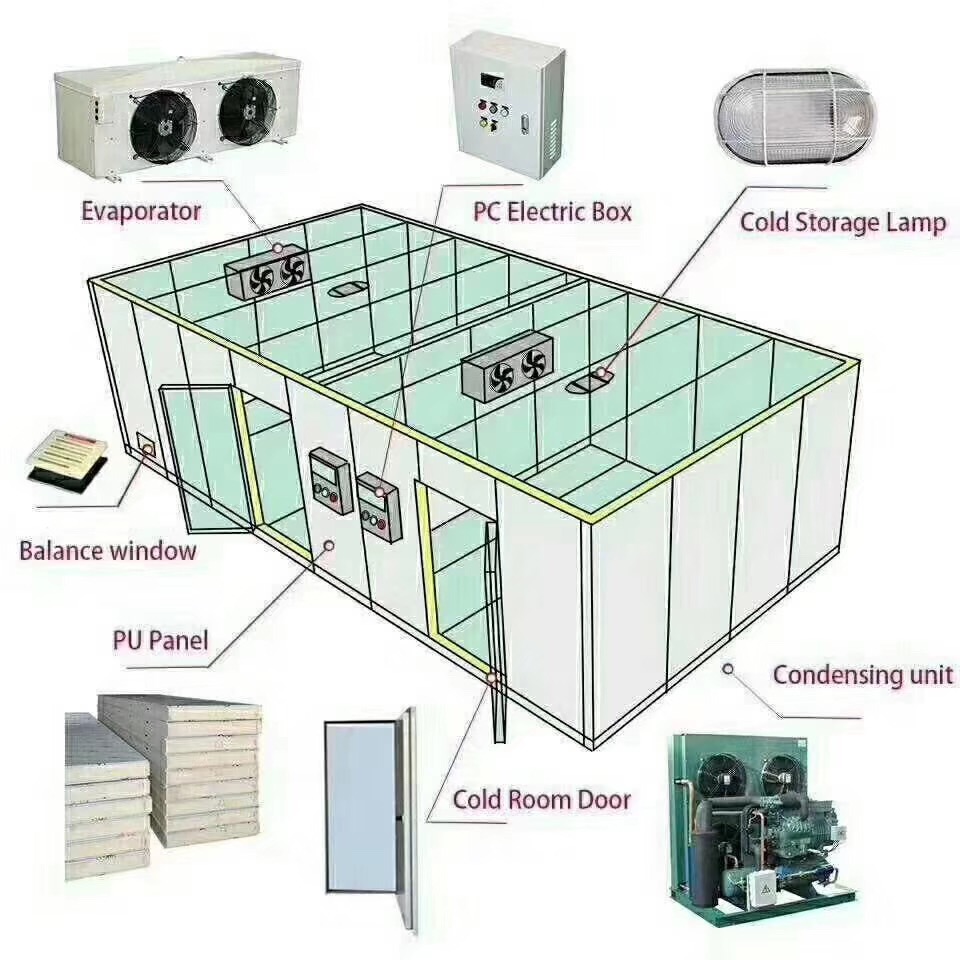
A sudden temperature rise happens when the room temperature moves above its normal operating range in a short period of time. The definition may vary by application, but in practice, operators usually consider it serious when:
-
a chilled room rises above 5°C unexpectedly,
-
a frozen room rises above -18°C,
-
the room temperature changes by more than 2°C to 5°C within a short time,
-
repeated spikes appear in the monitoring log,
-
product temperature starts increasing, not just air temperature.
For example, in a frozen warehouse operating at -20°C, a rise to -14°C within 1 to 2 hours may already be enough to affect product stability, especially for seafood, meat, ice cream, and pharmaceutical materials.
Recommended Temperature Ranges for Different Cold Storage Applications
| Storage Type | Standard Temperature Range | Typical Products | Risk of Temperature Rise |
|---|---|---|---|
| Chilled Storage | 0°C to 5°C | Vegetables, fruit, dairy, beverages | Reduced shelf life, bacterial growth |
| Frozen Storage | -18°C to -25°C | Meat, seafood, frozen meals | Texture damage, thaw-refreeze risk |
| Deep Freeze Storage | -30°C to -40°C | Vaccines, high-value materials | Product integrity failure |
| Pharmaceutical Cold Room | 2°C to 8°C | Medicines, vaccines, biologics | Regulatory non-compliance |
Why Does Cold Storage Temperature Rise Suddenly?
There are several common reasons. The most frequent causes include refrigeration system problems, excessive heat infiltration, poor airflow, evaporator icing, unstable power supply, sensor faults, and improper storage operations.
Below is a deeper analysis of each cause.
1. Refrigeration System Failure
The refrigeration system is the core of the entire cold storage operation. When any key component begins to fail, temperature can rise quickly.
Common refrigeration faults
-
Compressor malfunction
-
Refrigerant leakage
-
Condenser blockage
-
Expansion valve failure
-
Fan motor failure
-
Low suction pressure
-
High discharge temperature
When the compressor cannot remove heat effectively, the cooling capacity drops immediately. Even a partial loss of efficiency can cause noticeable temperature drift. Refrigerant leakage is another critical problem. A system with insufficient refrigerant may continue running, but its cooling performance becomes unstable and inadequate.
Warning signs
-
Longer compressor run time
-
Unusual noise or vibration
-
Slow pull-down after loading
-
Ice formation in abnormal areas
-
High electricity consumption
Practical solution
Inspect compressor status, refrigerant charge, condenser cleanliness, suction/discharge pressure, and fan operation. Preventive maintenance should be scheduled rather than waiting for system failure.
2. Frequent Door Opening and Warm Air Infiltration
Every time the cold room door opens, warm outside air enters and cold air escapes. In high-traffic facilities, this is one of the most underestimated causes of temperature spikes.
Warm air not only raises the room temperature directly but also increases humidity. That extra moisture often leads to frost or ice buildup on evaporator coils, which then reduces heat exchange efficiency and makes the situation even worse.
Example impact of door opening frequency
| Door Opening Frequency | Estimated Heat Load Increase | Possible Temperature Effect |
|---|---|---|
| 1–2 times/hour | Low | Minimal fluctuation |
| 5–10 times/hour | Moderate | 1°C–2°C rise possible |
| 10–20 times/hour | High | Repeated spikes and unstable recovery |
| Continuous loading/unloading | Very high | Severe temperature drift |
Practical solution
Use rapid doors, air curtains, strip curtains, and better workflow design. Reduce unnecessary entries and exits. Separate receiving zones from long-term storage zones when possible.
3. Poor Insulation or Damaged Door Seals
Cold storage insulation reduces heat transfer from the outside environment. When insulation panels are damaged or door gaskets lose sealing performance, warm air continuously enters the room.
This may not always create an immediate dramatic spike, but under hot weather, heavy use, or high humidity, the temperature may suddenly rise beyond control.
Common insulation-related issues
-
Cracks in wall or ceiling panels
-
Wet insulation material
-
Aging polyurethane panels
-
Damaged floor insulation
-
Loose door frames
-
Worn or broken rubber seals
Practical solution
Inspect insulation integrity regularly. Replace damaged door seals immediately. Check for condensation around doors and wall joints, since this often indicates insulation failure or air leakage.
4. Evaporator Coil Icing or Defrost Failure
An evaporator works by absorbing heat from the room air. When frost or ice accumulates on the coil, airflow is blocked and heat transfer drops sharply. As a result, the room temperature begins to rise even though the refrigeration system may still appear to be running.
Common causes of evaporator icing
-
High humidity infiltration
-
Frequent door opening
-
Defrost heater malfunction
-
Incorrect defrost cycle settings
-
Fan delay control failure
Symptoms
-
Thick frost on evaporator surface
-
Reduced airflow from fans
-
Uneven room temperatures
-
Longer recovery time after loading
-
Temperature alarm during peak hours
Practical solution
Check the defrost schedule, heater function, drain line, and fan operation. Adjust defrost intervals based on actual humidity and traffic conditions rather than factory defaults only.
5. Overloading the Cold Storage Room
Cold rooms are designed for a specific product load and cooling capacity. When too many products are loaded at once, especially if they are not pre-cooled, the room receives an excessive heat load.
This is common in food processing plants and logistics facilities where large quantities of fresh goods enter at the same time. The room may not have enough capacity to remove the incoming heat quickly enough, causing a temporary or prolonged temperature rise.
Thermal load example
| Load Condition | Relative Cooling Demand | Effect on Temperature Stability |
|---|---|---|
| Normal load | 100% | Stable |
| 120% load | 115%–125% | Slower recovery |
| 150% load | 140%–160% | Significant temperature rise |
| Warm product loaded directly | Extremely high | Rapid spike likely |
Practical solution
Pre-cool products before entering the room. Control batch size. Avoid placing freshly processed warm goods directly into frozen storage without proper staging.
6. Poor Air Circulation Inside the Cold Room
Even when the refrigeration system is functioning properly, poor airflow can create warm spots and uneven cooling. Temperature sensors may detect a local rise, or products stored in blocked areas may warm up faster than others.
Common airflow problems
-
Pallets stacked too close to walls
-
Goods blocking evaporator air outlet
-
Fans not running correctly
-
Incorrect rack spacing
-
Overfilled aisles
Practical solution
Maintain proper clearance between products and walls. Follow airflow-friendly stacking patterns. Inspect fan motors and blades. Train warehouse staff not to block evaporator discharge areas.
7. Power Supply Instability or Outage
Cold storage facilities rely on stable electrical power. Even a brief outage can interrupt compressor and fan operation. After power returns, the system may require time to restart, rebalance pressures, and bring the room back to setpoint.
Voltage instability can also damage motors, controllers, and sensors, leading to hidden operational issues.
Practical solution
Install backup generators, voltage protection devices, and alarm systems. Review startup sequencing after outages, especially in larger multi-room facilities.
8. Faulty Temperature Sensors or Monitoring System Errors
Sometimes the temperature has not actually risen as much as the monitoring system suggests. A damaged or poorly calibrated sensor can show false spikes. Data errors may also come from loose wiring, poor sensor placement, or controller communication issues.
Signs of sensor-related issues
-
Sudden isolated spike without operational change
-
Inconsistent readings between sensors
-
Product temperature does not match air temperature
-
Alarm appears but room feels normal
Practical solution
Calibrate sensors regularly. Use redundant monitoring points. Compare room sensor readings with handheld calibrated instruments.
9. High Ambient Temperature Around the Facility
During summer or in hot industrial environments, the outdoor ambient temperature can significantly affect condenser performance. If the condenser cannot reject heat efficiently, the refrigeration system loses capacity and the room temperature may climb.
Practical solution
Improve ventilation in machine rooms, clean condensers frequently, ensure sufficient clearance, and consider upgrading capacity for high-ambient climates.
Data Table: Common Causes, Risk Level, and Recommended Action
| Cause | Probability | Risk Level | Response Priority | Recommended Action |
|---|---|---|---|---|
| Compressor failure | Medium | Very High | Immediate | Shut down risk area, inspect compressor |
| Refrigerant leak | Medium | High | Immediate | Leak test and recharge |
| Frequent door opening | High | Medium to High | High | Add traffic control and air curtain |
| Evaporator icing | High | High | High | Check defrost and humidity control |
| Poor insulation | Medium | Medium | Medium | Repair seals and insulation panels |
| Overloading | High | High | High | Reduce batch load and pre-cool products |
| Airflow blockage | High | Medium | High | Reorganize storage layout |
| Power outage | Medium | Very High | Immediate | Use generator and alarm system |
| Sensor failure | Medium | Medium | Medium | Recalibrate or replace sensors |
How a Sudden Temperature Rise Affects Stored Products
Temperature instability does more than trigger an alarm. It can directly damage product quality and business performance.
Food products
-
Faster bacterial growth in chilled products
-
Texture damage in frozen goods
-
Ice crystal formation after partial thawing
-
Shorter shelf life
Pharmaceutical products
-
Reduced potency
-
Compliance issues
-
Product rejection
-
Traceability and audit problems
Business impact
-
Product claims and returns
-
Higher energy cost
-
Emergency maintenance expense
-
Brand reputation loss
Root Cause Analysis: Step-by-Step Process
When a temperature rise happens, operators should not guess. A structured troubleshooting process is more effective.
Step 1: Review temperature records
Check when the rise started, how fast it happened, and whether it affected one room or multiple rooms.
Step 2: Inspect refrigeration equipment
Look at compressor status, pressure readings, refrigerant level, condenser cleanliness, and evaporator condition.
Step 3: Check recent operations
Review loading schedules, door activity, staffing changes, and unusual workflow events.
Step 4: Verify airflow and room layout
Inspect product stacking, aisle clearance, and air discharge areas.
Step 5: Test sensors and alarms
Confirm whether the temperature rise is real or partly caused by a faulty monitoring device.
Step 6: Evaluate environmental conditions
Check ambient temperature, power supply events, and machine room conditions.
Best Solutions for Sudden Cold Storage Temperature Rise
1. Build a preventive maintenance plan
A good plan should include:
-
compressor inspection,
-
refrigerant leak testing,
-
condenser cleaning,
-
evaporator defrost check,
-
fan motor inspection,
-
sensor calibration,
-
door seal inspection.
2. Upgrade monitoring and alarms
Use real-time monitoring with automatic alerts by SMS, email, or central control platform. Trend analysis helps detect early failure patterns before a full incident happens.
3. Improve operational discipline
Train staff to reduce door opening time, avoid blocking airflow, and follow correct loading practices.
4. Optimize room design
Install air curtains, high-speed doors, proper insulation, and better traffic routes between loading and storage zones.
5. Prepare emergency procedures
Have a response plan for power failure, compressor breakdown, and product transfer. Backup power and contingency storage capacity are highly recommended.
Preventive Maintenance Checklist
| Inspection Item | Recommended Frequency | Why It Matters |
|---|---|---|
| Compressor inspection | Monthly | Prevents cooling loss |
| Refrigerant check | Monthly or quarterly | Detects leaks early |
| Condenser cleaning | Monthly | Maintains heat rejection |
| Defrost system check | Monthly | Prevents evaporator icing |
| Door seal inspection | Monthly | Reduces heat infiltration |
| Sensor calibration | Quarterly | Ensures accurate alarms |
| Airflow layout review | Weekly | Prevents hot spots |
| Backup power test | Monthly | Reduces outage risk |
Conclusion
A sudden temperature rise in cold storage is usually a warning sign of a deeper technical or operational problem. The most common causes include compressor failure, refrigerant leakage, poor insulation, frequent door opening, evaporator icing, blocked airflow, overloading, power instability, and faulty sensors.
The best way to reduce risk is to combine preventive maintenance, accurate monitoring, proper loading practices, and fast root cause analysis. Facilities that rely only on alarm response often suffer repeated incidents. Facilities that manage temperature proactively achieve better product safety, lower energy costs, and stronger operational reliability.
For any cold storage business, temperature stability is not just a technical target. It is a direct measure of quality control, compliance, and profitability.
FAQ
1. Why does cold storage temperature rise suddenly?
Cold storage temperature can rise suddenly because of refrigeration failure, refrigerant leakage, frequent door opening, evaporator icing, poor insulation, overloading, airflow blockage, or power issues.
2. What is the most common cause of sudden temperature increase in a cold room?
One of the most common causes is refrigeration system inefficiency, especially compressor problems or refrigerant loss.
3. Can frequent door opening really affect cold storage temperature?
Yes. Frequent door opening allows warm air and humidity to enter the room, increasing heat load and often causing frost buildup on evaporators.
4. How does evaporator icing cause temperature rise?
Ice reduces airflow and weakens heat exchange, so the evaporator cannot remove heat effectively, leading to higher room temperature.
5. How can I tell whether the temperature rise is real or caused by a faulty sensor?
Compare the control system reading with a calibrated handheld thermometer and review historical data for abnormal spikes or inconsistent trends.
6. Does overloading a cold room cause temperature instability?
Yes. When too many goods or warm products are loaded at once, the refrigeration system may not be able to remove the additional heat fast enough.
7. What should I check first when a cold storage temperature alarm occurs?
First verify the sensor reading, then inspect the refrigeration system, door activity, airflow condition, evaporator frost level, and power supply.
8. How can I prevent sudden temperature rise in cold storage?
Preventive maintenance, real-time monitoring, proper product loading, good insulation, efficient door management, and regular sensor calibration are all essential.
9. How often should cold storage equipment be maintained?
Critical equipment should be checked monthly, while sensors and performance trends should be reviewed regularly according to operational intensity.
10. Why is a small temperature rise dangerous in frozen storage?
Even a small rise can affect product texture, shelf life, and safety. Repeated fluctuations may lead to partial thawing and refreezing damage.
Post time:Sep-25-2020
