

How to Choose the Right Cold Room: A Comprehensive Guide for Businesses
In industries ranging from food and beverage to pharmaceuticals, floristry, and logistics, a cold room is more than just a storage space—it’s a critical asset that preserves product quality, extends shelf life, and ensures compliance with safety regulations. Choosing the right cold room, however, is not a one-size-fits-all decision. With varying sizes, temperature ranges, insulation materials, and refrigeration systems available, businesses often struggle to navigate the options and select a solution that aligns with their unique needs, budget, and long-term goals.
This blog post is designed to demystify the process of choosing a cold room. We’ll break down the key considerations, debunk common myths, provide actionable data, and answer the most frequently asked questions to help you make an informed decision. Whether you’re a small café owner needing a compact walk-in cold room or a large pharmaceutical distributor requiring a industrial-grade freezer facility, this guide will equip you with the knowledge to select a cold room that delivers efficiency, reliability, and value for money.
Introduction: Why Choosing the Right Cold Room Matters
A cold room is a temperature-controlled storage space designed to maintain specific low temperatures, protecting perishable goods from spoilage, degradation, or contamination. Unlike standard refrigerators, cold rooms are scalable, customizable, and built to handle large volumes of products—making them essential for businesses that deal with items sensitive to heat or temperature fluctuations.
The consequences of choosing the wrong cold room can be significant. A unit that’s too small may lead to overcrowding, poor air circulation, and increased product waste. A cold room with inadequate insulation or an inefficient refrigeration system can drive up energy costs, eroding profit margins. For industries like pharmaceuticals or food processing, non-compliant temperature control can result in regulatory fines, reputational damage, and even legal liability.
According to industry research, the global cold storage market is projected to reach over USD 330 billion by 2030, driven by the growing demand for perishable goods, expanding global supply chains, and increasing consumer awareness of food safety and product quality. As the market grows, so does the variety of cold room options—making it more important than ever to understand how to choose the right one for your business.
Detailed Explanation: Key Factors to Consider When Choosing a Cold Room
Selecting the right cold room requires a systematic approach, focusing on your business’s specific needs, operational requirements, and long-term objectives. Below are the critical factors to evaluate, each with detailed insights to guide your decision.
1. Define Your Purpose and Product Requirements
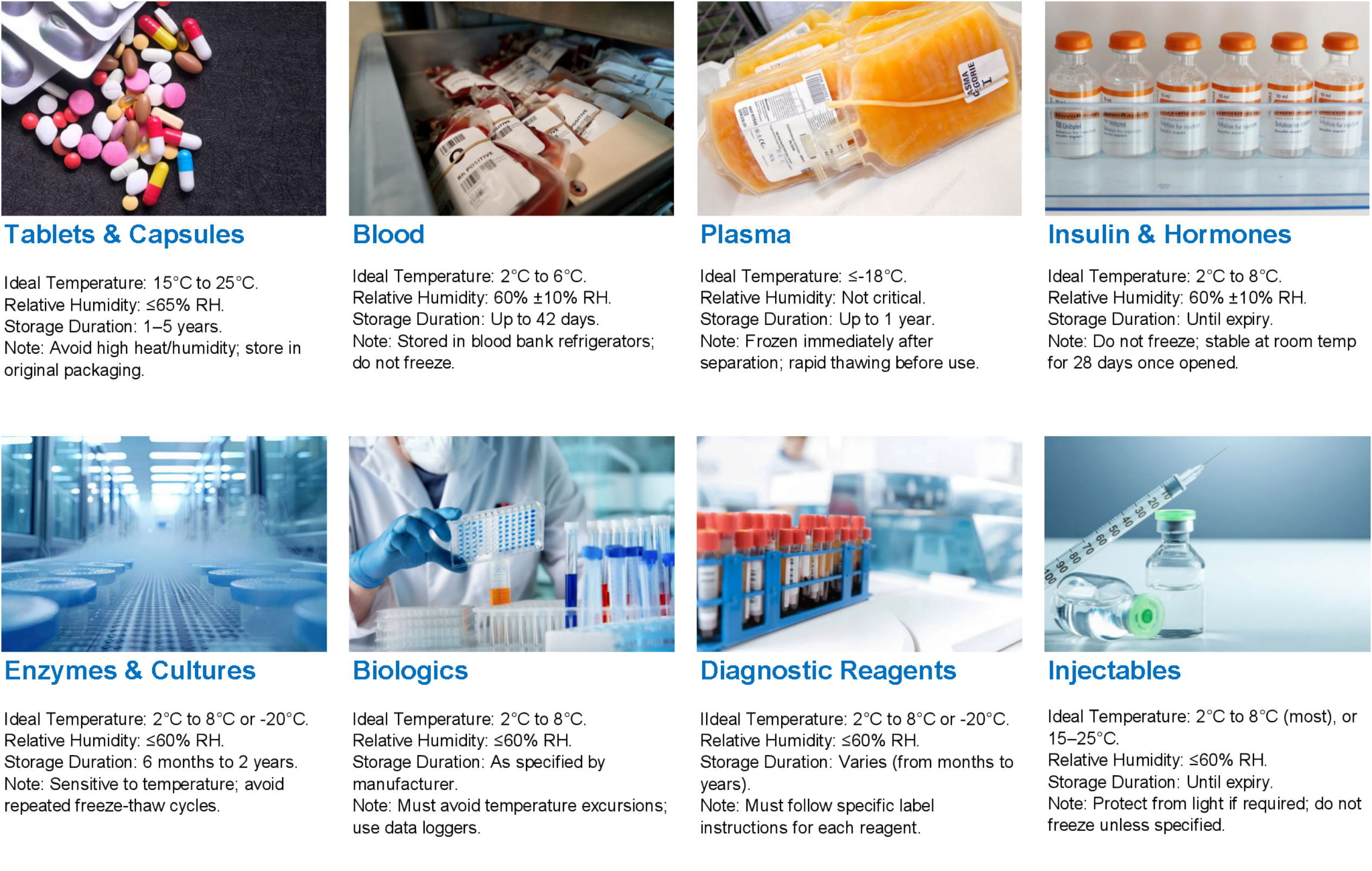
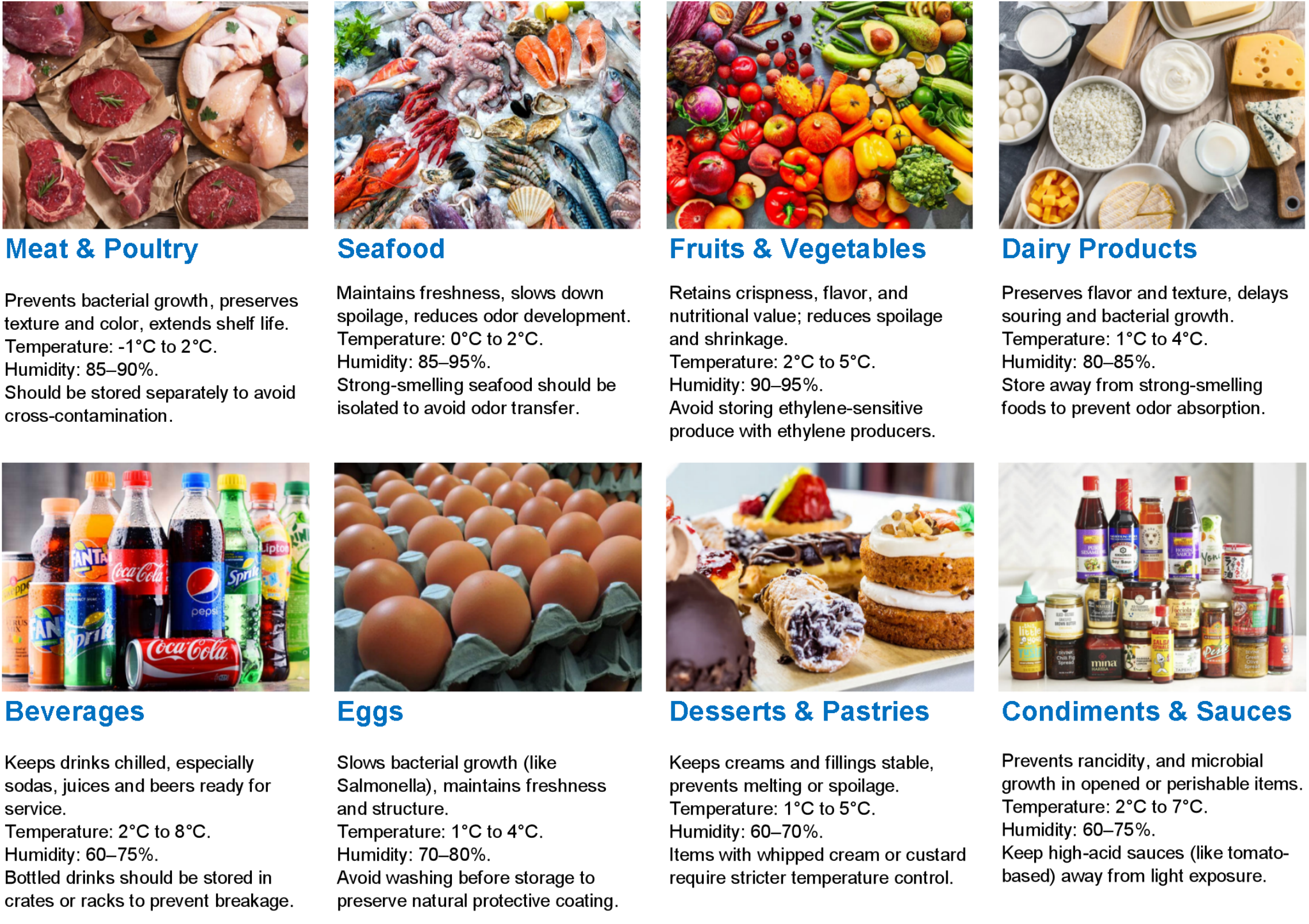
The first step in choosing a cold room is to clearly define its purpose and the type of products you’ll be storing. Different products have unique temperature, humidity, and storage requirements—these will dictate the design, size, and features of your cold room.
For example:
- Food and Beverage: Fresh produce (fruits, vegetables) typically requires temperatures between +1°C and +5°C, while frozen meats, ice cream, and frozen meals need temperatures between -15°C and -30°C. Dairy products often need a consistent temperature of +2°C to +4°C to prevent spoilage and maintain texture. Additionally, some products, like bananas, require specific humidity levels and ethylene circulation to control ripening.
- Pharmaceuticals and Medical Supplies: Vaccines, medications, and biological samples often require strict temperature control—usually between +2°C and +8°C for refrigerated items, and -20°C or lower for frozen samples. These cold rooms must also meet regulatory standards (such as FDA, WHO, or HACCP) to ensure product integrity.
- Floristry: Cut flowers require cool temperatures (between +2°C and +5°C) and high humidity (80-90%) to extend their vase life and prevent wilting.
- Industrial and Chemicals: Some industrial materials, such as certain adhesives, paints, or chemicals, require cold storage to maintain stability and prevent degradation. These may have unique temperature requirements outside the standard food or pharmaceutical ranges.
It’s also important to consider the volume of products you’ll be storing, as well as your growth projections. A cold room that’s sufficient for your current needs may become too small as your business expands, so it’s wise to plan for future growth by choosing a scalable solution.
2. Determine the Right Size and Capacity
The size of your cold room is directly tied to your storage needs, but it’s not just about the volume of products—you also need to account for operational space, such as aisles for staff to move around, shelves or racks for storage, and space for refrigeration equipment.
A common mistake businesses make is choosing a cold room that’s too small, thinking it will save money. However, overcrowding can block air circulation, leading to uneven temperatures, increased spoilage, and reduced efficiency. On the other hand, a cold room that’s too large will waste energy, as it takes more power to cool an empty or underutilized space.
To determine the right size, follow these steps:
- Calculate the total volume of products you need to store (in cubic meters). This includes the space occupied by the products themselves, as well as packaging.
- Add space for shelves, racks, or pallets. For example, if you’re using pallets, you’ll need to account for the size of each pallet (standard pallets are 1.2m x 1m) and the space between them for access.
- Add operational space: Aim for at least 40% extra space to ensure proper air circulation and easy movement for staff. For example, if your product volume requires 10 cubic meters of storage, your cold room should be at least 14 cubic meters.
- Consider future growth: If you expect your business to expand in the next 3-5 years, choose a cold room that can be extended or modified without significant additional cost. Modular cold rooms are an excellent option for scalability, as they can be easily expanded by adding more panels.
Standard cold room sizes vary widely. Small cold rooms (ideal for small businesses like cafes or convenience stores) typically range from 2.4m x 2.4m x 2.4m to 3.6m x 3.6m x 2.4m. Medium-sized cold rooms (for restaurants, small warehouses, or florists) range from 4.8m x 3.6m to 6m x 4.8m. Large industrial cold rooms (for food processing plants, pharmaceutical distributors, or seed banks) can be custom-built to any size, often exceeding 100 cubic meters.
3. Choose the Right Temperature Range
Temperature control is the most critical feature of a cold room. The temperature range you need will depend entirely on the products you’re storing. Choosing the wrong temperature range can lead to product spoilage, reduced shelf life, or non-compliance with regulations.
Cold rooms are typically categorized into three main types based on temperature:
- Chiller Rooms: Maintain temperatures between +1°C and +10°C. Ideal for fresh produce, dairy products, beverages, and some pharmaceuticals.
- Freezer Rooms: Maintain temperatures between -15°C and -30°C. Suitable for frozen foods, ice cream, frozen meats, and some medical samples.
- Blast Freezers: Maintain extremely low temperatures (down to -40°C) for rapid freezing of products, such as fresh meat, seafood, or baked goods. These are often used in food processing plants to lock in freshness and extend shelf life.
It’s important to choose a cold room with a temperature control system that is precise and reliable. Look for units with digital thermostats, temperature alarms (to alert you if the temperature falls outside the desired range), and remote monitoring capabilities. Remote monitoring allows you to check the temperature of your cold room from anywhere, ensuring that your products are always stored safely—even when you’re not on-site.
4. Select High-Quality Insulation Materials
Insulation is essential for maintaining consistent temperatures, reducing energy consumption, and preventing condensation. Poor insulation will cause the refrigeration system to work harder, leading to higher energy bills and increased wear and tear on the equipment.
The most common insulation materials used in cold rooms are:
- Polyurethane (PU) Foam: The most popular choice for cold room insulation. PU foam has a high R-value (a measure of thermal resistance), with up to R-8.06 per inch of thickness—significantly higher than other insulation materials. It is lightweight, waterproof, and bonds well to metal panels, creating a seamless barrier that minimizes heat transfer. PU foam also retains its thermal performance over time; a study of decommissioned cold rooms found that PU foam lost only 1.55% of its thermal performance over an average 11.78-year lifespan in freezer panels.
- Extruded Polystyrene (XPS): A more affordable alternative to PU foam, but with a lower R-value (around R-5 per inch). XPS is durable and moisture-resistant, but it loses more thermal performance over time—losing an average of 21% of its insulating value over 12 years, falling to a net R-value of 3.95 per inch.
- Polyisocyanurate (PIR) Foam: Similar to PU foam, but with a slightly higher R-value and better fire resistance. PIR foam is often used in industrial cold rooms or applications where fire safety is a priority.
When choosing insulation, consider the thickness (thicker insulation provides better thermal resistance), the material’s durability, and its compatibility with your cold room’s design. The walls, ceiling, and floor of your cold room should all be properly insulated to prevent heat transfer. For example, the floor should have insulation to prevent cold from seeping into the ground, which can cause condensation and damage the cold room’s structure.
5. Evaluate Refrigeration Systems
The refrigeration system is the “heart” of your cold room, responsible for maintaining the desired temperature. There are several types of refrigeration systems available, each with its own advantages and disadvantages. The right system for your business will depend on the size of your cold room, the temperature range you need, and your energy efficiency goals.
Common refrigeration systems for cold rooms include:
- Compressor-Based Systems: The most common type of refrigeration system. These systems use a compressor to compress refrigerant gas, which then flows through a condenser to release heat, and an evaporator to absorb heat from the cold room. Compressor-based systems are available in air-cooled or water-cooled designs. Air-cooled systems are more affordable and easier to install, making them ideal for small to medium cold rooms. Water-cooled systems are more efficient, quieter, and better suited for large cold rooms or locations with high ambient temperatures.
- Absorption Refrigeration Systems: Use heat (instead of electricity) to power the refrigeration cycle. These systems are more energy-efficient and environmentally friendly than compressor-based systems, but they are also more expensive to install. They are ideal for businesses that have access to waste heat (such as from industrial processes) or want to reduce their carbon footprint.
- Solar-Powered Refrigeration Systems: A sustainable option that uses solar energy to power the refrigeration system. These systems are ideal for remote locations or businesses looking to reduce their reliance on grid electricity. They can be combined with battery storage to ensure continuous operation even when there is no sunlight.
When evaluating refrigeration systems, consider factors such as energy efficiency (look for systems with high EER or COP ratings), reliability, maintenance requirements, and noise levels. A high-efficiency system may have a higher upfront cost, but it will save you money on energy bills in the long run. It’s also important to choose a system that is easy to maintain, as regular maintenance will extend the lifespan of your cold room and prevent costly breakdowns.
6. Consider Location and Installation Requirements
The location of your cold room will impact its efficiency, installation cost, and compliance with regulations. Here are key location considerations:
- Indoor vs. Outdoor: Indoor cold rooms are protected from the elements, which can reduce energy consumption and extend the lifespan of the equipment. However, they require sufficient space within your facility. Outdoor cold rooms are easier to install (no need to modify your existing space) and can be expanded more easily, but they may require additional insulation and weatherproofing to withstand extreme temperatures, rain, or snow.
- Ventilation: The area around your cold room (especially the refrigeration unit) needs proper ventilation to prevent heat buildup. The condenser unit should be placed in a well-ventilated area, away from direct sunlight and other heat sources (such as ovens or machinery). Poor ventilation can cause the refrigeration system to overheat, leading to reduced efficiency and breakdowns.
- Accessibility: The cold room should be easily accessible for staff to load and unload products. It should also be located near your production area or storage docks to minimize transportation time and reduce the risk of product warming during transfer.
- Regulatory Compliance: Some industries (such as food and pharmaceuticals) have specific requirements for the location of cold rooms. For example, food cold rooms must be located away from sources of contamination (such as garbage bins or chemical storage areas).
Installation is another critical factor. Cold rooms should be installed by trained professionals to ensure that the insulation is properly sealed, the refrigeration system is correctly connected, and the temperature control system is calibrated. A poorly installed cold room can lead to air leaks, uneven temperatures, and increased energy consumption. The installation time will vary depending on the size and complexity of the cold room—for example, a simple 9m x 9m cold room can be installed in approximately 3 days, while a large industrial cold room may take several weeks.
7. Factor in Energy Efficiency and Operating Costs
Energy costs are a significant portion of the total operating costs of a cold room—often accounting for 60-70% of monthly expenses. Choosing an energy-efficient cold room can help you reduce these costs and improve your bottom line.
To improve energy efficiency, consider the following:
- High-Quality Insulation: As discussed earlier, good insulation reduces heat transfer, allowing the refrigeration system to work less.
- Energy-Efficient Refrigeration Systems: Look for systems with high EER (Energy Efficiency Ratio) or COP (Coefficient of Performance) ratings. These systems use less electricity to maintain the desired temperature.
- LED Lighting: Replace traditional incandescent or fluorescent lights with LED lights, which use less energy and generate less heat.
- Doors and Seals: Ensure that the cold room doors are properly sealed to prevent cold air from escaping and warm air from entering. Automatic doors or strip curtains can help reduce air loss when the door is opened.
- Regular Maintenance: Regularly clean and maintain the refrigeration system, including changing filters, checking for leaks, and calibrating the thermostat. A well-maintained system is more efficient and has a longer lifespan.
In addition to energy costs, you should also consider other operating costs, such as maintenance, repairs, and replacement parts. It’s important to choose a cold room from a reputable manufacturer that offers reliable after-sales support and easy access to replacement parts.
8. Ensure Compliance with Regulations
Depending on your industry, your cold room may need to comply with specific regulations and standards. For example:
- Food Industry: Cold rooms used to store food must comply with HACCP (Hazard Analysis and Critical Control Points) standards, which require strict temperature control, hygiene, and record-keeping. In the United States, the FDA (Food and Drug Administration) also has regulations for food storage, while the EU has similar standards under the Food Safety Regulation.
- Pharmaceutical Industry: Cold rooms used to store vaccines, medications, or biological samples must comply with WHO (World Health Organization) guidelines, as well as local regulations (such as FDA guidelines in the US or EMA guidelines in the EU). These regulations require precise temperature control, monitoring, and documentation.
- Industrial Industry: Cold rooms used to store chemicals or hazardous materials may need to comply with OSHA (Occupational Safety and Health Administration) regulations or other safety standards.
Before purchasing a cold room, check the regulations applicable to your industry and ensure that the cold room you choose meets all the required standards. This may include features such as temperature monitoring systems, data logging, and easy cleaning (for food or pharmaceutical applications).
Comparative Data: Cold Room Types, Temperature Ranges, and Best Uses
|
Cold Room Type
|
Temperature Range
|
Insulation Material (Recommended)
|
Refrigeration System (Recommended)
|
Best Uses
|
Average Energy Consumption (kWh/day)
|
|---|---|---|---|---|---|
|
Small Chiller Room (2-5 m³)
|
+1°C to +5°C
|
Polyurethane (PU) Foam (50-75mm)
|
Air-Cooled Compressor
|
Cafés, convenience stores, small bakeries (fresh produce, dairy, beverages)
|
15-25
|
|
Medium Chiller Room (5-20 m³)
|
+1°C to +8°C
|
Polyurethane (PU) Foam (75-100mm)
|
Air-Cooled Compressor
|
Restaurants, florists, small pharmaceutical labs (fresh flowers, vaccines, dairy)
|
25-50
|
|
Large Chiller Room (20-100 m³)
|
+1°C to +10°C
|
Polyurethane (PU) Foam (100-150mm)
|
Water-Cooled Compressor
|
Supermarkets, food processing plants, pharmaceutical distributors (fresh produce, packaged food, medications)
|
50-150
|
|
Small Freezer Room (2-5 m³)
|
-15°C to -20°C
|
Polyurethane (PU) Foam (100-125mm)
|
Air-Cooled Compressor
|
Small restaurants, ice cream shops (frozen foods, ice cream)
|
30-50
|
|
Medium Freezer Room (5-20 m³)
|
-20°C to -25°C
|
Polyurethane (PU) Foam (125-150mm)
|
Air-Cooled or Water-Cooled Compressor
|
Meat processors, frozen food distributors (frozen meats, frozen meals)
|
50-100
|
|
Large Freezer Room (20-100+ m³)
|
-25°C to -30°C
|
Polyurethane (PU) Foam (150-200mm)
|
Water-Cooled Compressor or Absorption System
|
Industrial food processing, pharmaceutical warehouses, seed banks (bulk frozen goods, medical samples, seeds)
|
100-300+
|
|
Blast Freezer
|
-30°C to -40°C
|
Polyurethane (PU) Foam (200mm+)
|
High-Capacity Compressor System
|
Food processing plants (rapid freezing of fresh meat, seafood, baked goods)
|
200-500+
|
Note: Energy consumption figures are estimates and may vary based on insulation quality, refrigeration system efficiency, ambient temperature, and usage patterns (e.g., how often the door is opened).
Frequently Asked Questions (FAQ)
Below are answers to the most common questions businesses have when choosing a cold room.
Q1: What is a cold room, and how is it different from a standard refrigerator?
A: A cold room is a large, temperature-controlled storage space designed to maintain specific low temperatures for bulk storage of perishable goods. Unlike standard refrigerators, which are small and designed for residential or small-scale commercial use, cold rooms are scalable, customizable, and built to handle large volumes of products. They also offer more precise temperature control and better insulation, making them ideal for businesses that need to store large quantities of temperature-sensitive items.
Q2: How long does it take to build and install a cold room?
A: The installation time depends on the size and complexity of the cold room. A small, prefabricated cold room (2-5 m³) can be installed in 1-3 days. A medium-sized cold room (5-20 m³) typically takes 3-7 days to install. Large industrial cold rooms (20+ m³) may take 2-4 weeks or longer, depending on the customization required. Prefabricated or modular cold rooms are faster to install than custom-built ones, as most components are manufactured off-site and assembled on-site.
Q3: What information do I need to provide to get a quote for a cold room?
A: To get an accurate quote, you should provide the following information to the manufacturer or supplier:
- Size requirements (length x width x height), based on your storage needs and operational space.
- Desired temperature range (e.g., +1°C to +5°C for a chiller room, -20°C to -25°C for a freezer room).
- Type of products you’ll be storing (e.g., food, pharmaceuticals, flowers).
- Daily volume of products entering the cold room (in kg) and total volume to be stored (in kg).
- Temperature of products when they enter the cold room.
- Required pull-down time (time to cool products to the desired temperature; standard is 24 hours).
- Door size requirements (standard hinge doors are 900 x 2000 mm, standard slide doors are 2400 x 2400 mm).
- Installation location (country, city, and whether it’s indoor or outdoor).
Q4: How much does a cold room cost?
A: The cost of a cold room varies widely based on size, temperature range, insulation quality, refrigeration system, and customization. Small chiller rooms (2-5 m³) typically cost between $5,000 and $15,000. Medium-sized cold rooms (5-20 m³) cost between $15,000 and $50,000. Large industrial cold rooms (20+ m³) can cost $50,000 or more, with custom-built units exceeding $100,000. Additionally, you should factor in installation costs (usually 10-20% of the unit cost), energy costs, and maintenance costs.
Q5: How often should I maintain my cold room?
A: Regular maintenance is essential to keep your cold room running efficiently and extend its lifespan. We recommend the following maintenance schedule:
- Daily: Check the temperature and humidity, inspect the door seals for leaks, and remove any debris from the refrigeration unit.
- Monthly: Clean the evaporator and condenser coils, check the refrigerant levels, and calibrate the thermostat.
- Quarterly: Inspect the insulation for damage, check the electrical connections, and test the temperature alarm system.
- Annually: Have a professional technician perform a full inspection and service, including checking the compressor, fan motors, and refrigerant lines.
Q6: Can I expand my cold room later if my business grows?
A: Yes, many cold rooms (especially modular or prefabricated ones) are designed to be expandable. Modular cold rooms use interlocking panels that can be easily added to extend the size of the room. However, it’s important to plan for expansion when you first purchase the cold room—this may involve choosing a larger initial space or ensuring that the refrigeration system can be upgraded to handle the additional volume. Custom-built cold rooms can also be expanded, but this may be more costly and time-consuming.
Q7: Is there any noise or dirt involved during installation?
A: Most modern cold rooms are pre-manufactured and flat-packed in the factory, which minimizes on-site cutting and modification. This means installations are clean and quick, with minimal noise and dirt. However, some noise may be generated during the assembly of panels or the installation of the refrigeration system, but this is usually temporary and can be managed by scheduling installation during non-operational hours.
Q8: Where should I place the condensing unit of my cold room?
A: The condensing unit (part of the refrigeration system) should be placed in a well-ventilated area, away from direct sunlight, heat sources (such as ovens or machinery), and dust. It should also be easily accessible for maintenance. For indoor cold rooms, the condensing unit can be placed in a separate equipment room or outside the building. For outdoor cold rooms, the condensing unit is usually mounted on the exterior of the cold room or nearby, ensuring proper ventilation.
Conclusion: Making the Right Choice for Your Business
Choosing the right cold room is a critical decision that requires careful consideration of your business’s needs, product requirements, budget, and long-term goals. By following the steps outlined in this guide—defining your purpose, determining the right size and temperature range, selecting high-quality insulation and refrigeration systems, considering location and compliance, and factoring in energy efficiency—you can select a cold room that meets your needs and delivers value for money.
Remember, a cold room is an investment in your business’s success. A well-chosen cold room will preserve your products, reduce waste, lower energy costs, and ensure compliance with regulations—helping you grow your business and build a reputation for quality and reliability.
If you’re still unsure about which cold room is right for you, we recommend consulting with a reputable cold room manufacturer or supplier. They can assess your specific needs, provide personalized recommendations, and help you design a cold room that is tailored to your business. With the right cold room, you can protect your products, streamline your operations, and set your business up for long-term success.
Post time:Sep-25-2020
