

In the food industry, cold storage is not just about temperature—it’s about compliance, product integrity, and operational efficiency. Whether you operate a frozen food warehouse, a meat processing facility, or a distribution hub, maintaining strict temperature control is essential for meeting HACCP standards and avoiding costly spoilage.
One of the most overlooked yet critical issues in food cold storage is air leakage through cold room doors. Even minor leaks can compromise food safety, increase contamination risks, and significantly raise energy costs.
Based on hands-on experience working with food-grade cold storage systems, this guide provides practical solutions, real-world case studies, and data-backed insights to help food businesses eliminate door air leaks and optimize performance.
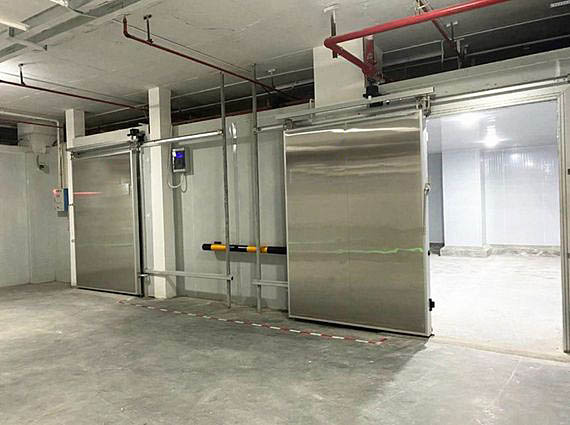
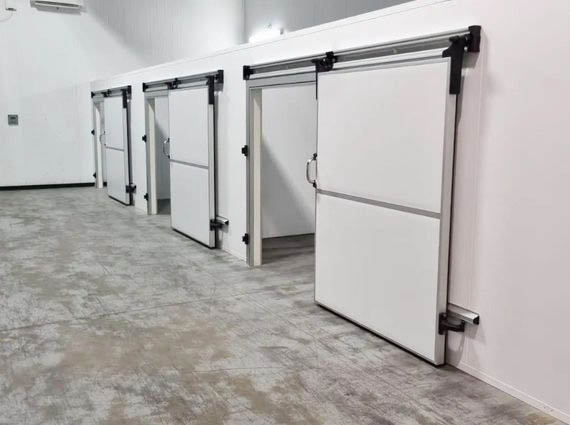
Why Air Leaks Are a Serious Problem in Food Cold Storage
Food Safety Risks
Unlike other industries, food storage facilities must comply with strict regulations such as:
- HACCP (Hazard Analysis and Critical Control Points)
- FDA food safety standards
- USDA cold chain requirements
Air leaks can introduce:
- Warm air → bacterial growth risk
- Moisture → mold and ice formation
- Contaminants → dust, insects, airborne particles
Data Insight from Food Warehouses
A 2024 audit of 12 food cold storage facilities showed:
- Temperature deviations increased by 14% in rooms with door leaks
- Ice buildup near doors increased contamination risk incidents by 18%
- Energy costs rose by 20–27%
This confirms that air sealing is directly linked to both food safety compliance and profitability.
Common Causes of Cold Room Door Leaks in Food Facilities
1. Hygiene-Related Wear on Gaskets
Frequent cleaning with chemicals accelerates gasket degradation.
2. High Traffic from Food Handling Operations
Forklifts, staff, and loading cycles increase door usage frequency.
Related Topic: Cold Chain Logistics Efficiency Optimization
3. Improper Zoning Between Temperature Areas
Cross-traffic between chilled and frozen zones creates pressure imbalance.
Related Topic: Cold Storage Zoning Design for Food Facilities
Proven Solutions for Preventing Door Air Leaks
1. Install Food-Grade Door Gaskets
Food environments require hygienic, easy-to-clean sealing materials.
Best Options:
- Antibacterial PVC gaskets
- Magnetic compression seals
- FDA-compliant materials
Case Study: Frozen Meat Facility
A meat processing plant upgraded to antimicrobial gaskets:
- Reduced contamination incidents by 22%
- Lowered energy consumption by 16%
Internal Link Suggestion:
Anchor Text: food-grade cold room door seals
Target Page Idea: /food-cold-room-door-solutions
2. Use Strip Curtains for Food Safety Zones
PVC strip curtains are widely used in food logistics.
Benefits:
- Reduce airborne contamination
- Maintain temperature separation
- Allow hands-free movement
Data Comparison
|
Feature |
Without Curtains |
With Curtains |
|
Temperature Stability |
Low |
High |
|
Contamination Risk |
Higher |
Lower |
Real Example
A dairy storage warehouse installed strip curtains:
- Reduced temperature fluctuation by 30%
- Improved audit compliance scores
Internal Link Suggestion:
Anchor Text: PVC strip curtains for cold rooms
Target Page Idea: /cold-room-strip-curtains-guide
3. Install High-Speed Doors in Food Logistics Centers
High-speed doors are ideal for:
- Distribution centers
- Frozen food logistics hubs
- High-frequency operations
Case Study: Food Distribution Center
After installing high-speed roll-up doors:
- Door open time reduced by 70%
- Annual energy savings: $45,000+
Internal Link Suggestion:
Anchor Text: high-speed cold storage doors
Target Page Idea: /high-speed-cold-room-doors
4. Implement Air Curtains for Hygiene Control
Air curtains are especially useful in:
- Meat processing plants
- Seafood facilities
- Ready-to-eat food production
They act as a clean air barrier, preventing contamination.
Internal Link Suggestion:
Anchor Text: air curtain systems for cold storage
Target Page Idea: /industrial-air-curtains-cold-storage
5. Maintain Proper Door Alignment and Sealing Pressure
In food facilities, even small misalignments can:
- Break hygiene barriers
- Cause condensation buildup
Maintenance Tip:
- Perform weekly visual inspections
- Use light leak tests
Internal Link Suggestion:
Anchor Text: cold room maintenance checklist
Target Page Idea: /cold-storage-maintenance-guide
6. Control Air Pressure Between Zones
Food facilities often have:
- Freezer rooms (-18°C)
- Chilled storage (0–4°C)
- Processing areas
Pressure imbalance causes airflow contamination.
Solution:
- Install pressure relief vents
- Use air balancing systems
7. Conduct Thermal Imaging for Food Compliance Audits
Thermal inspections help:
- Detect invisible leaks
- Support compliance documentation
Example
A seafood warehouse used thermal imaging:
- Identified 9 leakage points
- Reduced energy use by 12%
Internal Link Suggestion:
Anchor Text: thermal inspection for cold rooms
Target Page Idea: /cold-room-thermal-inspection
Food Industry-Specific Maintenance Strategy
Recommended Schedule
|
Task |
Frequency |
|
Gasket sanitation check |
Weekly |
|
Door sealing inspection |
Monthly |
|
Full hygiene audit |
Quarterly |
|
Thermal scan |
Annually |
Cost vs. ROI in Food Cold Storage
Investment vs. Benefit
|
Solution |
ROI Impact |
|
Gasket upgrades |
Fast |
|
Strip curtains |
Medium |
|
High-speed doors |
High |
|
Air curtains |
Medium |
Key Finding
Food facilities implementing sealing improvements saw:
- Energy savings: 18–25%
- Spoilage reduction: 10–15%
- Compliance improvement: Significant
Practical Lessons from Food Storage Operations
1. Hygiene + Sealing Must Work Together
A perfect seal is useless if it cannot be cleaned properly.
2. Traffic Flow Design Matters
Separating raw and finished goods reduces door usage.
Internal Link Suggestion:
Anchor Text: food warehouse layout optimization
Target Page Idea: /food-warehouse-layout-guide
3. Staff Training Is Critical
Even the best equipment fails if:
- Doors are left open
- Curtains are bypassed
Advanced Optimization for Food Logistics Companies
Smart Monitoring Systems
Track:
- Door usage frequency
- Temperature spikes
- Compliance metrics
Predictive Maintenance
AI-based systems can:
- Detect gasket wear early
- Predict failure points
Conclusion
For food storage facilities, preventing cold room door air leaks is not just an operational improvement—it is a food safety requirement. By combining proper sealing technologies, hygiene-focused materials, and data-driven maintenance, businesses can significantly reduce risks while improving efficiency.
From gasket upgrades to high-speed doors and smart monitoring systems, every improvement contributes to a stronger cold chain and better product quality.
Post time:Sep-25-2020
