

Introduction
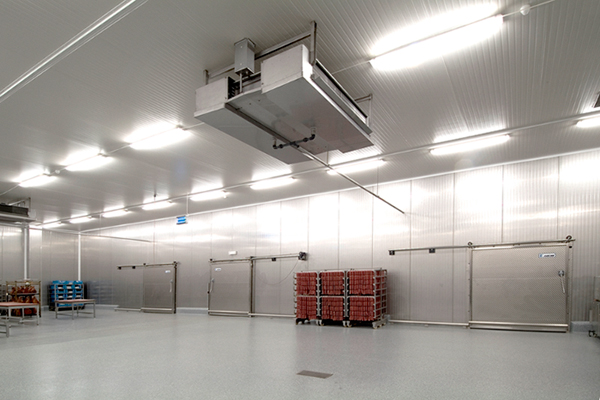
Cold rooms, also known as walk-in coolers or refrigeration rooms, are critical in industries such as food processing, pharmaceuticals, hospitality, and logistics. These systems are designed to maintain precise temperature ranges to preserve perishable goods and ensure product safety.
However, when a cold room stops cooling effectively, it can quickly lead to product spoilage, financial losses, regulatory issues, and operational disruptions. Even minor inefficiencies in cooling can escalate into major system failures if not addressed promptly.
In this comprehensive guide, we will explore the most common reasons why your cold room is not cooling, how to troubleshoot the issue step-by-step, and how to prevent future problems through proper maintenance and system optimization.
1. How a Cold Room Works
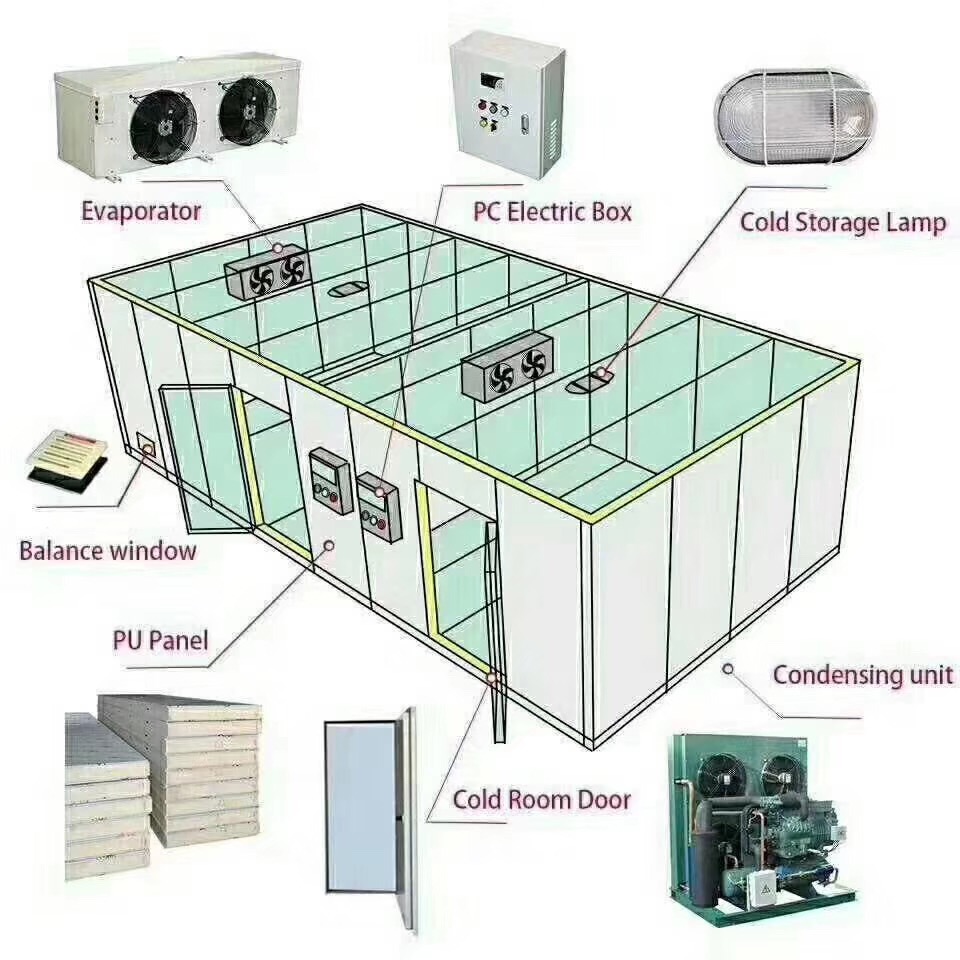
Before diagnosing the problem, it’s important to understand how a cold room operates.
A cold room refrigeration system typically consists of:
-
Compressor – compresses refrigerant gas
-
Condenser – releases heat outside the room
-
Expansion valve – regulates refrigerant flow
-
Evaporator – absorbs heat inside the cold room
The system works by removing heat from inside the cold room and transferring it outside, maintaining a low temperature environment.
2. Top Reasons Why Your Cold Room Is Not Cooling
2.1 Incorrect Temperature Settings
One of the simplest yet most overlooked issues is incorrect thermostat settings.
Common Issues:
-
Temperature set too high
-
Faulty thermostat sensor
-
Calibration errors
Solution:
-
Verify temperature settings
-
Recalibrate thermostat
-
Replace faulty sensors if needed
2.2 Dirty Condenser Coils
Condenser coils play a crucial role in releasing heat. When they are dirty or clogged with dust, dirt, or grease, heat transfer becomes inefficient.
Effects:
-
Reduced cooling efficiency
-
Increased energy consumption
-
Overheating system
Solution:
-
Clean coils regularly (at least monthly)
-
Ensure proper ventilation around the unit
2.3 Refrigerant Leak
Refrigerant is essential for heat exchange. A leak can significantly reduce cooling performance.
Signs of Leak:
-
Hissing or bubbling sounds
-
Ice buildup on evaporator coils
-
Low cooling capacity
Solution:
-
Identify leak using professional tools
-
Repair leak and recharge refrigerant
2.4 Compressor Failure
The compressor is the heart of the refrigeration system. If it fails, the entire cooling process stops.
Causes:
-
Electrical faults
-
Overheating
-
Mechanical wear
Symptoms:
-
No cooling at all
-
Loud noises
-
Frequent cycling
Solution:
-
Inspect electrical components
-
Replace compressor if necessary
2.5 Evaporator Fan Problems
The evaporator fan circulates cold air throughout the room. If it fails, airflow is disrupted.
Signs:
-
Uneven temperature distribution
-
Warm areas inside the cold room
Solution:
-
Repair or replace fan motor
-
Ensure proper airflow
2.6 Ice Build-Up on Evaporator
Excessive frost can block airflow and reduce cooling efficiency.
Causes:
-
Defrost system failure
-
High humidity
-
Frequent door opening
Solution:
-
Check defrost cycle
-
Install automatic defrost system
-
Minimize door usage
2.7 Poor Door Sealing
Damaged or worn-out door seals allow warm air to enter the cold room.
Impact:
-
Temperature fluctuations
-
Increased compressor workload
Solution:
-
Replace door gaskets
-
Ensure doors close tightly
2.8 Overloading the Cold Room
Too much product inside can block airflow and overload the system.
Effects:
-
Reduced cooling efficiency
-
Uneven temperature
Solution:
-
Maintain proper spacing between items
-
Avoid overstocking
2.9 Blocked Air Circulation
Improper storage can block air vents and disrupt circulation.
Solution:
-
Keep vents clear
-
Organize storage layout
2.10 Electrical Issues
Electrical faults can prevent the system from operating properly.
Common Problems:
-
Tripped breakers
-
Loose wiring
-
Voltage fluctuations
Solution:
-
Inspect power supply
-
Fix wiring issues
-
Use voltage stabilizers
3. Cold Room Troubleshooting Data Table
| Issue | Likely Cause | Symptoms | Recommended Action |
|---|---|---|---|
| No cooling | Compressor failure | System not running | Replace compressor |
| Weak cooling | Refrigerant leak | Slow temperature drop | Repair and recharge refrigerant |
| Uneven temperature | Fan malfunction | Hot spots | Repair evaporator fan |
| High energy consumption | Dirty condenser coils | Increased electricity bills | Clean condenser coils |
| Ice buildup | Defrost failure | Frost on evaporator | Repair defrost system |
| Temperature fluctuation | Door seal damage | Warm air entering | Replace door seals |
| System not starting | Electrical issue | No power | Check wiring and breakers |
| Overheating compressor | Poor ventilation | Hot compressor | Improve airflow |
| Water leakage | Blocked drain | Water pooling | Clear drain line |
| Noise issues | Mechanical wear | Loud sounds | Inspect components |
4. Step-by-Step Troubleshooting Guide
Step 1: Check Power Supply
Ensure the system is receiving power and breakers are not tripped.
Step 2: Inspect Thermostat Settings
Confirm that the temperature is correctly set and sensors are functioning.
Step 3: Examine Airflow
Check for blocked vents or overcrowding.
Step 4: Clean Key Components
Clean condenser and evaporator coils thoroughly.
Step 5: Check Refrigerant Levels
If low, contact a certified technician.
Step 6: Inspect Mechanical Parts
Check compressor, fans, and motors for faults.
5. Preventive Maintenance Strategies
Preventive maintenance is key to avoiding cooling issues.
Best Practices:
-
Clean condenser coils monthly
-
Inspect door seals regularly
-
Schedule professional servicing every 6 months
-
Monitor temperature daily
-
Keep airflow unobstructed
6. Energy Efficiency and Cost Impact
Poor cooling performance can significantly increase operational costs.
Potential Losses:
-
Product spoilage: up to 30%
-
Energy increase: 15–40%
-
Maintenance costs: rising over time
7. Cold Room Design Considerations
Proper design improves performance and efficiency.
Key Factors:
-
High-quality insulation
-
Correct refrigeration capacity
-
Efficient airflow design
-
Energy-efficient components
8. When to Call a Professional
You should contact an expert if:
-
Compressor is not functioning
-
Refrigerant leaks are detected
-
Electrical issues persist
-
Cooling remains inadequate after troubleshooting
9. Advanced Tips for Optimizing Cold Room Performance
-
Install temperature monitoring systems
-
Use energy-efficient compressors
-
Implement automated defrost systems
-
Train staff on proper usage
-
Maintain proper loading practices
10. Conclusion
A cold room that is not cooling properly is a serious issue that requires immediate attention. Whether the cause is a simple thermostat misconfiguration or a complex compressor failure, identifying the root problem is essential for restoring optimal performance.
By following proper troubleshooting steps and implementing regular maintenance practices, you can ensure your cold room operates efficiently, reduces energy costs, and prevents product loss.
11. FAQ
1. Why is my cold room running but not cooling?
It may be due to refrigerant leaks, dirty coils, or compressor failure.
2. How often should a cold room be serviced?
At least twice a year, with monthly maintenance checks.
3. What temperature should a cold room maintain?
Typically between 0°C and 5°C, depending on application.
4. Can low refrigerant cause poor cooling?
Yes, it significantly reduces heat exchange efficiency.
5. Why does ice form inside the cold room?
Usually due to defrost system failure or humidity issues.
6. How do I know if the compressor is faulty?
Signs include no cooling, overheating, or unusual noise.
7. Does overloading affect cooling performance?
Yes, it blocks airflow and reduces efficiency.
8. How can I improve energy efficiency?
Regular maintenance and proper insulation are key.
9. What causes temperature fluctuations?
Poor sealing, airflow issues, or faulty sensors.
10. When should I replace my cold room system?
When repair costs become frequent and exceed replacement value.
Post time:Sep-25-2020
