

Introduction to the Problem
The global demand for cold storage facilities has increased rapidly over the past decade. With the expansion of the food industry, pharmaceutical supply chains, e-commerce grocery services, and international trade of perishable goods, cold storage infrastructure has become an essential part of modern logistics. From fresh fruits and vegetables to frozen seafood, dairy products, meat, vaccines, and biotechnology materials, maintaining proper temperature conditions is critical to ensuring product quality and safety.
However, building a cold storage warehouse is not as simple as constructing a standard storage building and installing refrigeration equipment. Cold storage facilities require specialized design, precise temperature control systems, advanced insulation materials, reliable power supply, and strict compliance with food safety and environmental regulations.
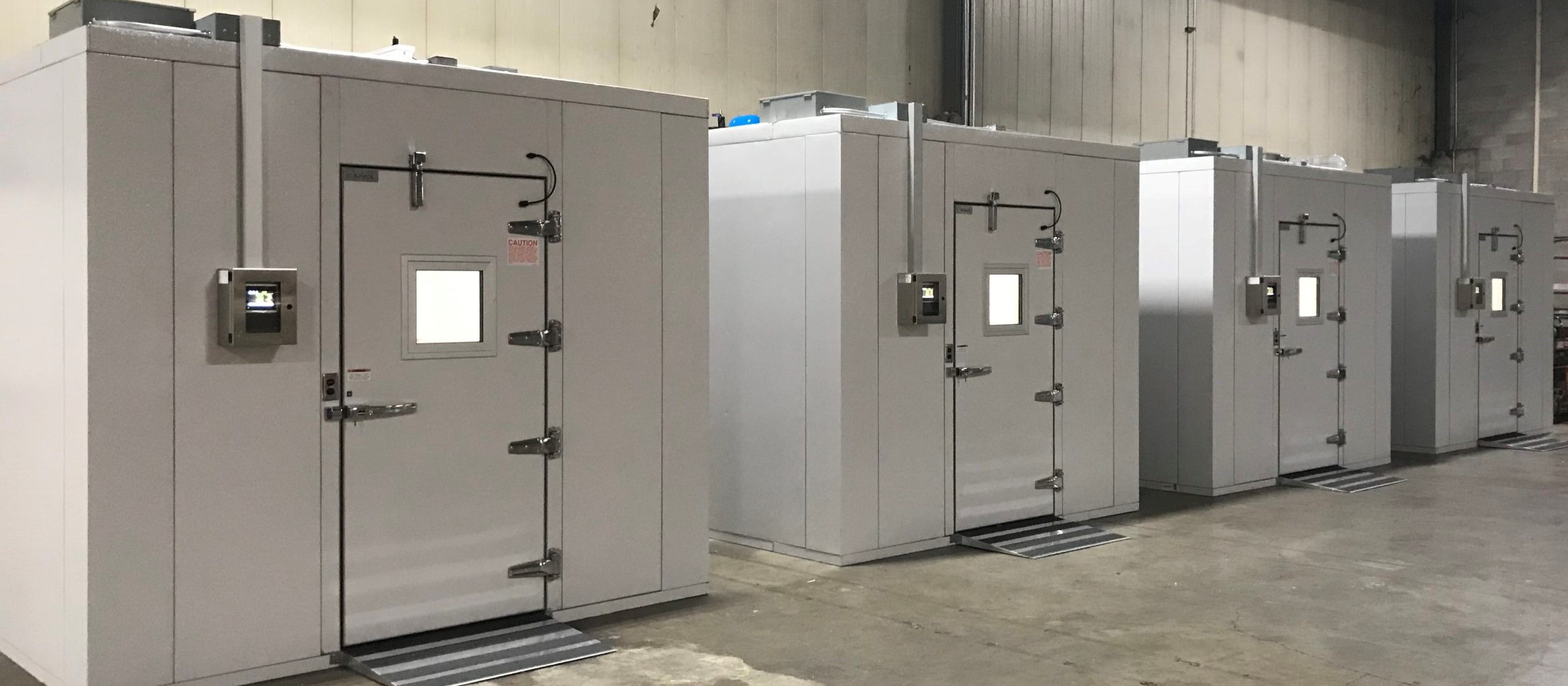
Many companies make the mistake of focusing only on the initial construction cost or storage capacity without considering long-term operational efficiency, energy consumption, logistics connectivity, or scalability. As a result, they may face issues such as excessive energy costs, inefficient warehouse layouts, equipment maintenance challenges, and even product spoilage due to temperature instability.
Furthermore, cold storage construction involves significant capital investment and long operational lifespans—often 20 to 30 years. Poor planning at the early stages can lead to costly redesigns, operational inefficiencies, and reduced return on investment.
Therefore, before building a cold storage facility, businesses must carefully evaluate a range of critical factors, including location selection, storage capacity planning, refrigeration technology, energy efficiency, regulatory compliance, and warehouse management systems.
This article provides a comprehensive guide to the key considerations before building a cold storage warehouse, helping investors, logistics companies, food processors, and cold chain operators make informed decisions and build efficient, sustainable facilities.
Detailed Explanation of Key Considerations
1. Location and Logistics Accessibility
Choosing the right location is one of the most important decisions when planning a cold storage facility. The location directly affects transportation costs, product freshness, delivery speed, and supply chain efficiency.
An ideal cold storage site should be strategically located near key supply chain nodes such as food production regions, ports, distribution centers, or major consumer markets. For example, cold storage facilities for agricultural products are often built near farming areas to quickly preserve freshly harvested produce, while urban cold warehouses may focus on last-mile distribution for supermarkets and restaurants.
Key location factors to consider include:
-
Proximity to suppliers and production areas
-
Access to highways, railways, or ports
-
Availability of reliable electricity and water supply
-
Land cost and expansion potential
-
Local labor availability
-
Environmental and zoning regulations
Selecting a well-connected location can significantly reduce transportation costs and improve overall logistics efficiency.
2. Storage Capacity Planning and Scalability
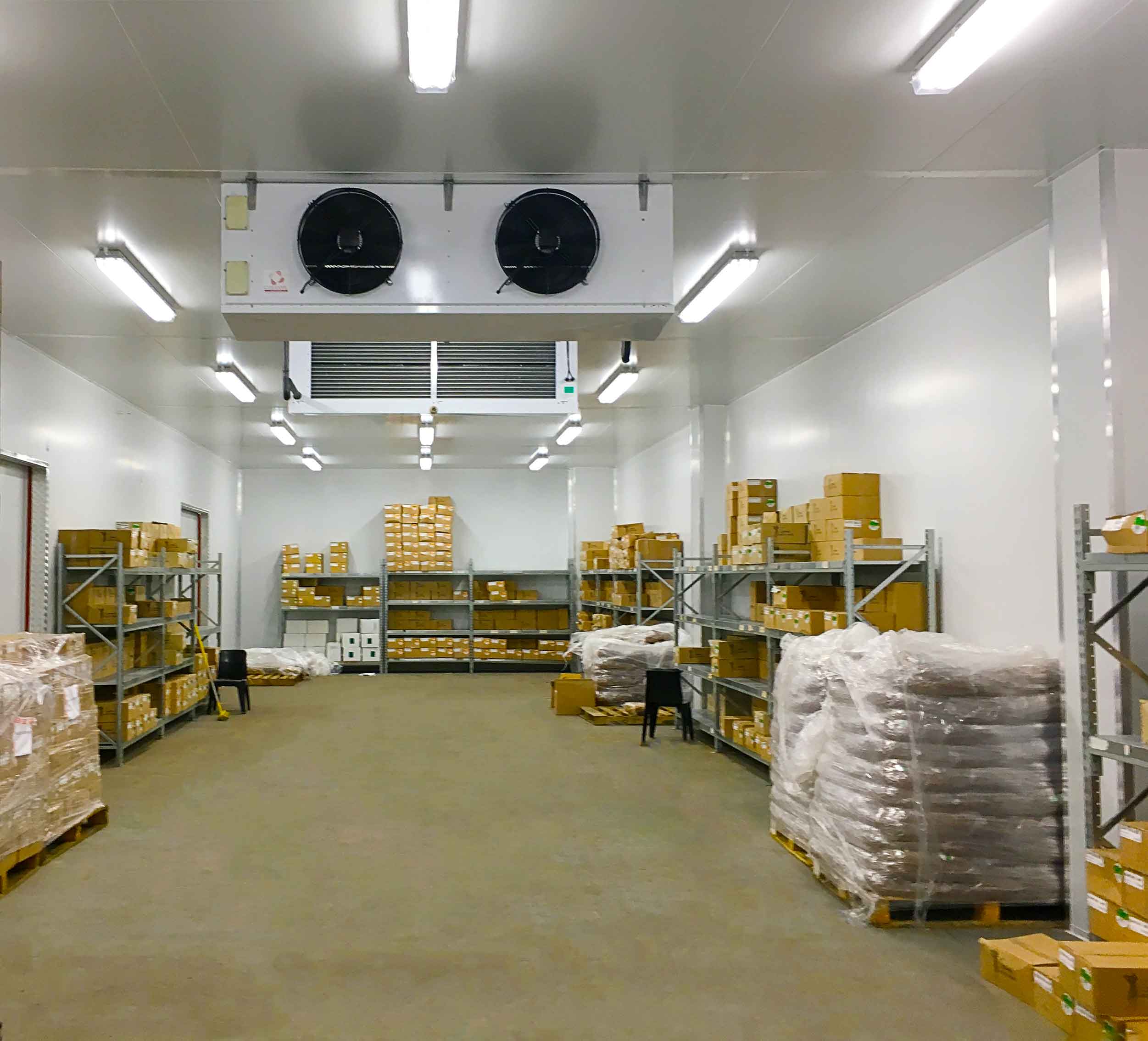
Cold storage facilities should be designed with both current and future storage needs in mind. Many businesses underestimate their growth potential or fail to consider seasonal demand fluctuations.
Storage capacity planning should consider:
-
Current inventory volume
-
Seasonal production peaks
-
Future business expansion
-
Product variety and storage conditions
-
Warehouse throughput and turnover rates
A flexible design, such as modular expansion or multi-temperature zones, can allow businesses to adapt to market changes without requiring costly renovations.
Cold storage facilities often include different storage areas such as:
-
Chilled storage rooms
-
Frozen storage rooms
-
Blast freezers
-
Controlled atmosphere storage
Proper zoning improves operational efficiency and allows multiple product categories to be stored within the same facility.
Cold Storage Capacity and Temperature Requirements
Table / Data
| Cold Storage Type | Temperature Range | Typical Products | Capacity Range |
|---|---|---|---|
| Chilled Storage | 0°C to 5°C | Fruits, vegetables, dairy | 500 – 5,000 tons |
| Frozen Storage | -18°C to -25°C | Meat, seafood, frozen food | 1,000 – 10,000 tons |
| Blast Freezer | -30°C to -40°C | Rapid freezing of food | 100 – 1,000 tons |
| Ultra-Low Storage | Below -40°C | Vaccines, pharmaceuticals | 50 – 500 tons |
| Controlled Atmosphere | 0°C to 4°C | Apples, pears, fresh produce | 200 – 2,000 tons |
3. Temperature and Humidity Control
Maintaining stable temperature and humidity levels is essential for preserving product quality. Even minor temperature fluctuations can shorten shelf life, cause freezer burn, or lead to bacterial growth in certain products.
Different products require different environmental conditions:
-
Fresh fruits and vegetables: 0°C to 4°C
-
Frozen meat and seafood: -18°C or lower
-
Ice cream: -20°C to -25°C
-
Vaccines and pharmaceuticals: 2°C to 8°C
In addition to temperature, humidity control is also important. For example, produce storage often requires high humidity to prevent dehydration.
Modern cold storage facilities use advanced monitoring systems such as:
-
IoT temperature sensors
-
Automated alarm systems
-
Remote monitoring platforms
-
Data logging for regulatory compliance
These technologies ensure accurate environmental control and allow operators to respond quickly to potential issues.
4. Refrigeration System Selection
The refrigeration system is the core component of any cold storage facility. Choosing the right refrigeration technology significantly affects energy consumption, operational reliability, and environmental impact.
The three most common refrigeration systems include:
Ammonia (NH3) Systems
Ammonia refrigeration is widely used in large industrial cold storage facilities due to its high efficiency and low operational cost. However, ammonia is toxic and requires strict safety management and trained personnel.
Freon (HFC) Systems
Freon systems are commonly used in small and medium cold storage warehouses. They are easier to manage but may face environmental restrictions due to greenhouse gas concerns.
CO₂ Refrigeration Systems
Carbon dioxide systems are becoming increasingly popular because they are environmentally friendly and highly efficient. However, installation costs can be higher compared to traditional systems.
When selecting a refrigeration system, businesses should consider:
-
Facility size
-
Energy efficiency
-
Environmental regulations
-
Maintenance requirements
-
Safety standards
5. Energy Efficiency and Operating Costs
Cold storage facilities are highly energy-intensive. Electricity costs often represent 50% to 70% of total operating expenses.
Several strategies can help reduce energy consumption:
-
High-quality insulation panels
-
Energy-efficient compressors
-
Variable-speed refrigeration systems
-
LED lighting
-
Automatic door systems to minimize cold air loss
-
Solar energy integration
For example, installing advanced insulation materials can significantly reduce heat transfer and lower energy demand.
Energy-efficient design not only reduces operational costs but also helps companies meet sustainability goals and environmental regulations.
6. Compliance with Food Safety and Regulations
Cold storage facilities must comply with various national and international regulations related to food safety, environmental protection, and worker safety.
Common standards include:
-
HACCP (Hazard Analysis and Critical Control Points)
-
ISO 22000 food safety management
-
FDA regulations (for food and pharmaceutical storage)
-
Local health and safety codes
-
Environmental emission regulations
Temperature tracking and documentation are particularly important in cold chain logistics. Many regulations require detailed records of storage temperatures to ensure product safety.
Failing to comply with these regulations can result in fines, product recalls, or loss of operating licenses.
Frequently Asked Questions
1. How much does it cost to build a cold storage facility?
The cost depends on size, temperature requirements, and technology used. Typical estimates include:
-
Small cold storage: $2,000 – $50,000
-
Medium facility: $50,000 – $3 million
-
Large industrial cold storage: $3 million – $10 million or more
2. How long does it take to build a cold storage warehouse?
Construction typically takes 6 to 18 months, including planning, permitting, construction, and equipment installation.
3. What industries need cold storage facilities?
Cold storage is widely used in industries such as:
-
Food processing
-
Agriculture and produce storage
-
Seafood and meat distribution
-
Pharmaceutical logistics
-
Supermarket supply chains
4. What is the lifespan of a cold storage warehouse?
With proper maintenance, cold storage facilities can operate effectively for 20 to 30 years.
5. What is the most important factor in cold storage design?
The most critical factors include:
-
Temperature stability
-
Energy efficiency
-
High-quality insulation
-
Reliable refrigeration systems
Conclusion
Building a cold storage facility is a complex project that requires careful planning, technical expertise, and long-term strategic thinking. Companies must evaluate multiple factors such as location, storage capacity, refrigeration technology, energy efficiency, and regulatory compliance before starting construction.
A well-designed cold storage warehouse not only ensures the safety and quality of temperature-sensitive products but also improves logistics efficiency and reduces operational costs over time.
As global demand for cold chain logistics continues to grow, investing in properly planned cold storage infrastructure will become increasingly important for food producers, logistics providers, and pharmaceutical companies.
By carefully considering all the factors discussed in this guide, businesses can build efficient, reliable, and future-ready cold storage facilities that support sustainable growth in the cold chain industry.
Post time:Sep-25-2020
