

Cold Storage Maintenance Cost Guide
Cold storage facilities are essential infrastructure for industries such as food processing, pharmaceuticals, agriculture, seafood, and logistics. These temperature-controlled environments protect perishable goods, maintain product quality, and ensure regulatory compliance across the supply chain. However, maintaining a cold storage warehouse comes with ongoing operational and maintenance costs that can significantly impact profitability.
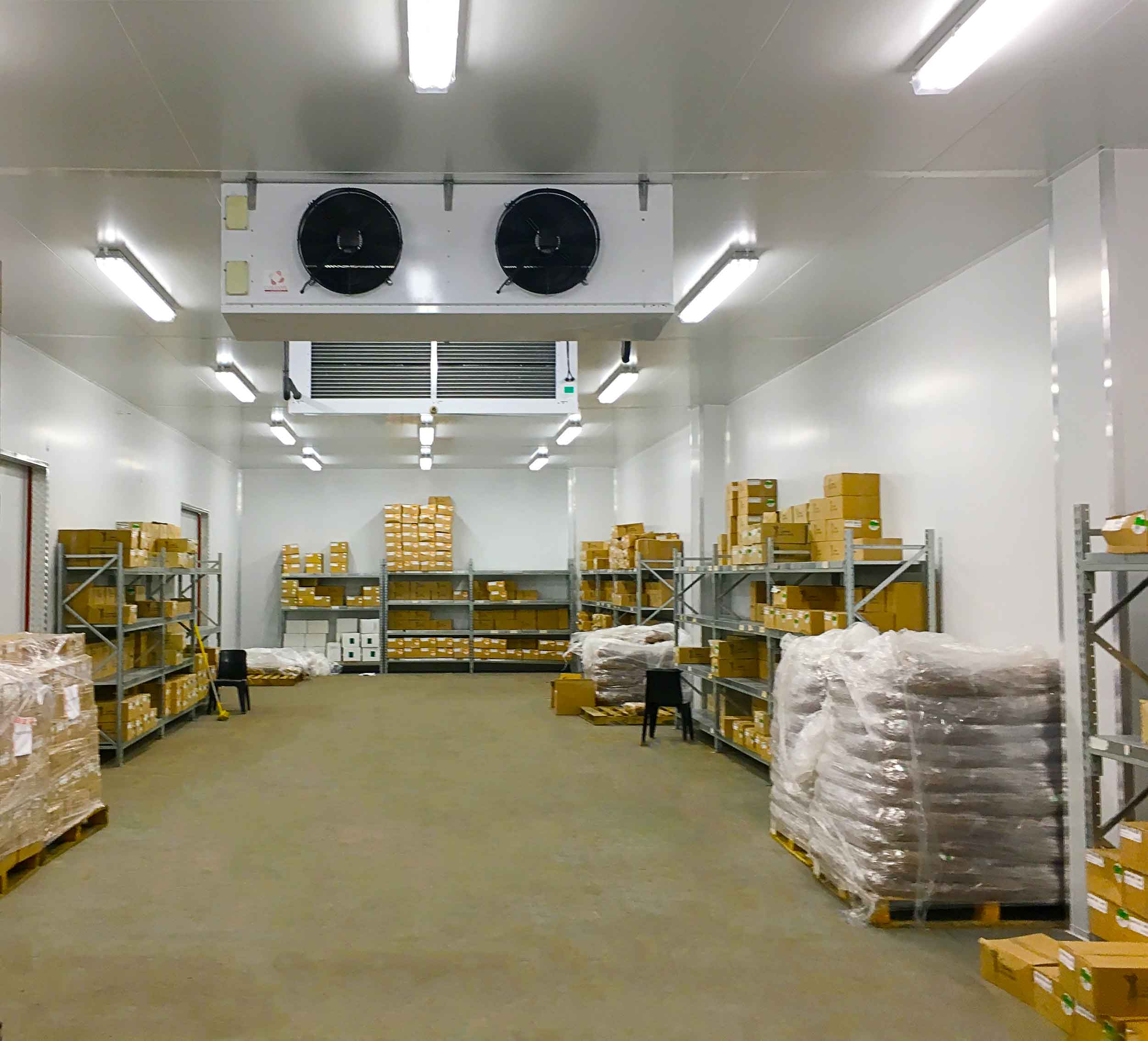
Understanding the full scope of cold storage maintenance costs is crucial for facility owners, operators, and investors. Without proper planning, unexpected repairs, energy inefficiencies, and equipment failures can lead to large financial losses and operational disruptions.
This comprehensive guide explores the key factors influencing cold storage maintenance costs, typical expense categories, budgeting strategies, and practical ways to reduce maintenance expenses while maintaining optimal performance.
1. Why Cold Storage Maintenance Is Important
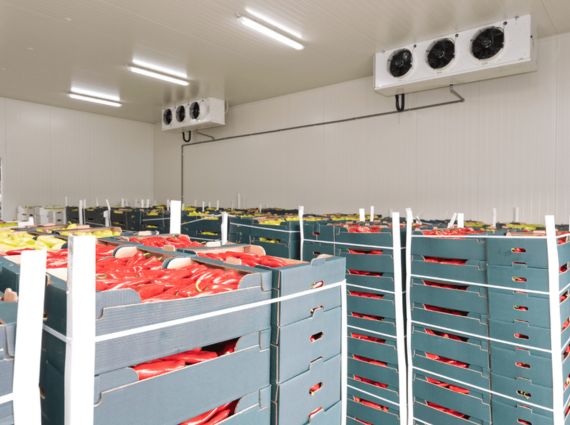
Cold storage facilities operate under extreme conditions. Refrigeration systems run continuously, insulation structures must remain airtight, and temperature fluctuations must be minimized to protect stored goods.
Proper maintenance ensures:
-
Stable temperature control
-
Equipment longevity
-
Energy efficiency
-
Food safety compliance
-
Reduced downtime
-
Lower long-term operational costs
Neglecting maintenance can cause compressor failures, refrigerant leaks, insulation damage, and temperature instability. These issues can lead to product spoilage, regulatory violations, and expensive emergency repairs.
2. Average Cold Storage Maintenance Cost Overview
Cold storage maintenance costs vary depending on several factors, including facility size, system complexity, operating temperature, and geographic location.
Typical annual maintenance costs usually range between:
$2.5 – $5 per square foot per year
For example:
| Facility Size | Estimated Annual Maintenance Cost |
|---|---|
| 10,000 sq ft | $25,000 – $50,000 |
| 50,000 sq ft | $125,000 – $250,000 |
| 100,000 sq ft | $250,000 – $500,000 |
These costs include preventive maintenance, equipment servicing, inspection, minor repairs, and monitoring systems.
However, energy consumption usually represents the largest operational expense for cold storage warehouses, sometimes accounting for 60–70% of total operating costs.
3. Major Components of Cold Storage Maintenance Costs
Understanding where maintenance budgets are spent helps operators allocate resources effectively.
3.1 Refrigeration System Maintenance
The refrigeration system is the most critical and expensive component of any cold storage facility.
Key equipment includes:
-
Compressors
-
Condensers
-
Evaporators
-
Expansion valves
-
Refrigerant pipelines
Routine maintenance tasks include:
-
Compressor lubrication and inspection
-
Refrigerant level checks
-
Leak detection
-
Coil cleaning
-
Condenser fan maintenance
-
Pressure and temperature monitoring
Typical annual refrigeration maintenance cost:
$0.80 – $1.50 per square foot.
Preventive maintenance is significantly cheaper than replacing compressors or repairing large refrigerant leaks.
3.2 Insulation and Structural Maintenance
Cold storage buildings rely on high-performance insulation to maintain temperature stability.
Common issues include:
-
Damaged insulation panels
-
Moisture penetration
-
Ice buildup in walls or ceilings
-
Door seal failures
Maintenance tasks involve:
-
Inspecting wall panels
-
Repairing insulation gaps
-
Replacing damaged vapor barriers
-
Maintaining dock doors and seals
Poor insulation increases energy consumption and can cause refrigeration systems to overwork.
Estimated annual cost:
$0.30 – $0.70 per square foot.
3.3 Electrical System Maintenance
Cold storage facilities depend heavily on electrical infrastructure to power compressors, fans, monitoring systems, and backup generators.
Maintenance tasks include:
-
Electrical panel inspection
-
Wiring checks
-
Motor maintenance
-
Sensor calibration
-
Emergency backup testing
Electrical failures can shut down the entire facility, making routine inspections essential.
Estimated annual cost:
$0.20 – $0.50 per square foot.
3.4 Temperature Monitoring Systems
Modern cold storage warehouses use automated monitoring systems that track temperature, humidity, and equipment performance.
These systems may include:
-
IoT sensors
-
Remote monitoring software
-
Alarm notification systems
-
Data logging for regulatory compliance
Maintenance includes software updates, sensor calibration, and system integration.
Estimated annual cost:
$5,000 – $20,000 depending on facility size.
3.5 Door and Dock Maintenance
Cold storage doors are frequently opened and closed, especially in high-traffic logistics facilities.
Maintenance includes:
-
Door track alignment
-
Seal replacement
-
Motor repair for automatic doors
-
Dock leveler maintenance
-
Air curtain servicing
Damaged doors lead to temperature loss and increased refrigeration load.
Estimated annual cost:
$2,000 – $10,000.
4. Preventive Maintenance vs Reactive Repairs
Cold storage operators generally adopt two maintenance strategies:
Preventive Maintenance
Scheduled inspections and servicing to prevent equipment failure.
Advantages:
-
Lower long-term costs
-
Reduced downtime
-
Extended equipment lifespan
-
Better energy efficiency
Most facilities schedule preventive maintenance monthly, quarterly, and annually.
Reactive Maintenance
Repairs performed only after equipment failure occurs.
Risks include:
-
Emergency repair expenses
-
Product loss
-
System shutdowns
-
Higher labor costs
A well-managed cold storage facility should allocate 70–80% of maintenance resources to preventive maintenance.
5. Energy Efficiency and Maintenance Costs
Energy costs represent the largest operational expense in cold storage facilities.
Poor maintenance can increase electricity consumption by 10–30%.
Key maintenance activities that improve energy efficiency include:
-
Cleaning condenser coils
-
Maintaining proper refrigerant levels
-
Inspecting insulation
-
Repairing air leaks
-
Installing energy-efficient compressors
Some facilities invest in advanced technologies such as:
-
Variable speed drives
-
Smart refrigeration controls
-
Heat recovery systems
-
Solar power integration
Although these upgrades require upfront investment, they significantly reduce long-term maintenance and energy costs.
6. Labor Costs for Cold Storage Maintenance
Maintenance personnel are responsible for routine inspections, equipment servicing, and repairs.
Typical labor costs include:
-
Maintenance technicians
-
Refrigeration engineers
-
Electrical specialists
-
Monitoring system operators
Annual labor costs vary depending on facility size:
| Facility Size | Estimated Labor Cost |
| Small warehouse | $40,000 – $80,000 |
| Medium facility | $80,000 – $150,000 |
| Large distribution center | $150,000 – $400,000 |
Some companies outsource refrigeration maintenance to specialized service providers to reduce staffing costs.
7. Common Cold Storage Equipment Failures
Understanding common failure points helps operators plan maintenance budgets effectively.
Typical failures include:
-
Compressor burnout
-
Refrigerant leakage
-
Evaporator ice buildup
-
Fan motor failure
-
Temperature sensor malfunction
-
Door seal deterioration
Emergency repairs for major refrigeration systems can cost $10,000 – $100,000, depending on the severity.
8. Regulatory Compliance and Maintenance Costs
Cold storage facilities handling food or pharmaceuticals must meet strict regulatory standards.
These may include:
-
FDA regulations
-
HACCP compliance
-
GMP standards
-
Temperature documentation requirements
Compliance often requires:
-
Routine inspections
-
Temperature record storage
-
Equipment calibration
-
Safety audits
While compliance adds maintenance costs, it prevents legal penalties and protects product safety.
9. Budgeting for Cold Storage Maintenance
Creating a realistic maintenance budget helps avoid financial surprises.
A typical maintenance budget allocation might include:
-
40% refrigeration systems
-
20% energy management
-
15% structural and insulation repairs
-
15% labor
-
10% monitoring systems and compliance
Facility managers should also maintain an emergency repair fund equal to 10–15% of the annual maintenance budget.
10. Strategies to Reduce Cold Storage Maintenance Costs
Operators can reduce maintenance costs without sacrificing performance by implementing the following strategies:
1. Implement Preventive Maintenance Programs
Regular inspections reduce the likelihood of major equipment failures.
2. Invest in High-Quality Equipment
Reliable compressors, condensers, and insulation panels last longer and require fewer repairs.
3. Improve Energy Efficiency
Energy-efficient refrigeration systems reduce operational costs.
4. Train Maintenance Staff
Skilled technicians can identify problems early and prevent costly breakdowns.
5. Use Predictive Maintenance Technology
Advanced monitoring systems analyze equipment data to predict failures before they occur.
6. Upgrade Insulation Systems
Modern insulated panels reduce heat transfer and lower refrigeration load.
7. Maintain Proper Door Management
Limiting door openings helps stabilize internal temperatures.
11. Future Trends in Cold Storage Maintenance
Cold storage technology is rapidly evolving.
Future maintenance strategies will increasingly rely on:
-
AI-driven predictive maintenance
-
Remote monitoring platforms
-
Smart refrigeration systems
-
Automated temperature control
-
Sustainable refrigeration technologies
These innovations help facilities operate more efficiently while reducing maintenance costs and environmental impact.
Conclusion
Cold storage maintenance is a critical investment for warehouses, logistics companies, and food supply chain operators. While annual maintenance costs can range from thousands to hundreds of thousands of dollars depending on facility size, proper planning and preventive maintenance can significantly reduce long-term expenses.
By understanding key cost components—such as refrigeration systems, insulation maintenance, electrical infrastructure, and monitoring technology—facility managers can build effective maintenance strategies that improve reliability, energy efficiency, and operational performance.
In today’s competitive logistics environment, well-maintained cold storage facilities not only protect valuable products but also ensure sustainable business growth.
Post time:Sep-25-2020
