

Stop Losing Margin to Poor Cold Storage Design
If you're in the meat business, you already know where the real pressure comes from:
-
Tight margins
-
Strict compliance requirements
-
High energy costs
-
Constant risk of product loss
But what many operations underestimate is this:
Cold storage design is often the hidden reason behind ongoing losses.
Temperature fluctuation, inefficient workflow, and poor layout don’t show up on day one—but they show up in your costs every single day after.
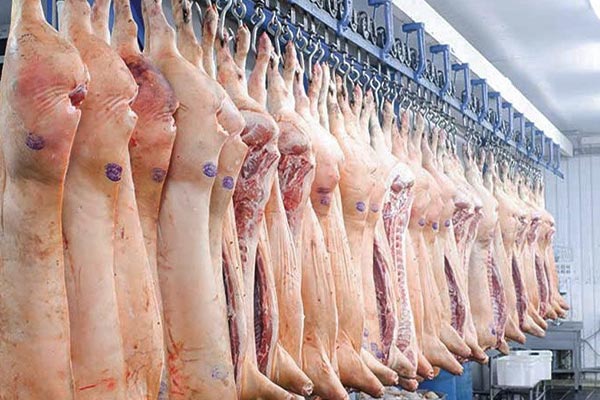
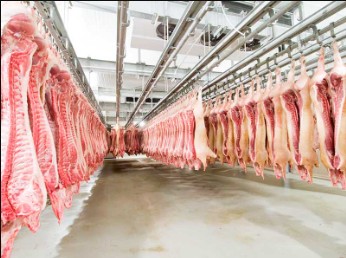
What You Actually Need From a Meat Cold Storage System
Most suppliers will talk about equipment.
We focus on how your operation runs.
A properly planned facility should help you:
-
Maintain stable temperature across all zones
-
Move products quickly with minimal handling
-
Reduce contamination risks
-
Lower long-term energy costs
-
Pass inspections without stress
If your current setup is working against you in any of these areas, it’s not a small issue—it’s structural.
Built Around Real Meat Processing Workflows
Every project starts with one question:
How does your product move?
Because in meat operations, flow determines everything.
A typical optimized structure looks like this:
Receiving → Processing → Chilling → Storage → Dispatch
This reduces:
-
Cross-contamination
-
Handling time
-
Internal congestion
And more importantly—it keeps your operation predictable.
Precision Temperature Control (Not Just Cooling Power)
For meat storage, consistency matters more than raw cooling capacity.
Typical Requirements
-
Fresh meat: 0°C to 2°C
-
Processing areas: 0°C to 4°C
-
Frozen storage: -18°C or below
Standards referenced by the U.S. Food and Drug Administration make it clear:
small fluctuations can impact both safety and shelf life.
That’s why we design systems that focus on:
-
Even air distribution
-
Controlled access points
-
Stable zone separation
Clear Zoning That Meets Real Compliance Needs
In meat facilities, poor zoning leads directly to risk.
We design clear separation between:
-
Raw and processed products
-
Chilled and frozen storage
-
Clean and non-clean areas
This aligns with systems like Hazard Analysis and Critical Control Points (HACCP), making compliance part of the design—not an afterthought.
Insulation and Structure That Hold Up Over Time
This is where many projects cut costs—and regret it later.
Weak insulation leads to:
-
Constant temperature drift
-
Higher energy consumption
-
Condensation and hygiene issues
We use high-performance insulated panels and proper vapor barriers to keep your system stable long-term.
Because once the facility is running, fixing insulation problems is expensive.
Reliable Refrigeration With Built-In Redundancy
In meat storage, downtime isn’t acceptable.
Your system needs:
-
Properly sized refrigeration units
-
Backup capacity
-
Balanced airflow
Not oversized. Not undersized.
Just correctly engineered for your actual load.
Smart Monitoring That Protects Your Operation
Manual checks don’t scale.
We implement:
-
Real-time temperature monitoring
-
Automatic alerts
-
Data logging for audits
This gives you:
-
Immediate visibility
-
Faster response to issues
-
Documentation for inspections
Energy Efficiency That Reduces Monthly Costs
Energy is one of your biggest ongoing expenses.
The biggest gains usually come from:
-
Better insulation
-
Efficient compressor selection
-
Fast-closing insulated doors
-
Reduced unnecessary movement
Some upgrades pay for themselves faster than expected—especially when combined with better workflow design.
Designed for Growth, Not Just Today’s Capacity
Many facilities work well for the first year—and then hit limits.
We plan for:
-
Future expansion
-
Increased throughput
-
Additional storage zones
So you don’t have to redesign everything when your business grows.
What You Can Expect From a Properly Planned Facility
When everything is done right, the difference is clear:
-
Stable, consistent temperatures
-
Faster product handling
-
Lower shrinkage
-
Predictable operations
-
Easier compliance
This is where operations stop reacting to problems—and start running efficiently.
Why Clients Bring Us in Early
Trying to fix cold storage after it's built usually means:
-
Costly modifications
-
Downtime
-
Ongoing inefficiencies
That’s why most of our clients come to us before construction starts.
Organizations like the Food and Agriculture Organization have pointed out that improving cold storage is one of the most effective ways to reduce food loss.
In meat operations, that translates directly into better margins.
Let’s Look at Your Project
Whether you're:
-
Building a new meat processing facility
-
Expanding your cold storage capacity
-
Replacing outdated systems
we can help you get the structure right from the beginning.
What You’ll Get
-
Practical layout recommendations
-
Temperature zoning strategy
-
Equipment selection guidance
-
Compliance-ready design approach
No generic templates.
Everything is based on how your operation actually runs.
Request a Consultation
Tell us a bit about your project:
-
Type of meat products
-
Daily throughput
-
Storage capacity needs
-
Current challenges
We’ll review your requirements and give you clear, actionable input.
Post time:Sep-25-2020
